
Talk · Use · Business & shared deployment
How can a rental business (cars, scooters, equipment) supply chargers to customers?
Build charging into the vehicle or kit where you can, and use a small set of standard, branded chargers and cables for anything that leaves with the customer.
 Wecent Editorial Team
Updated
2 min read
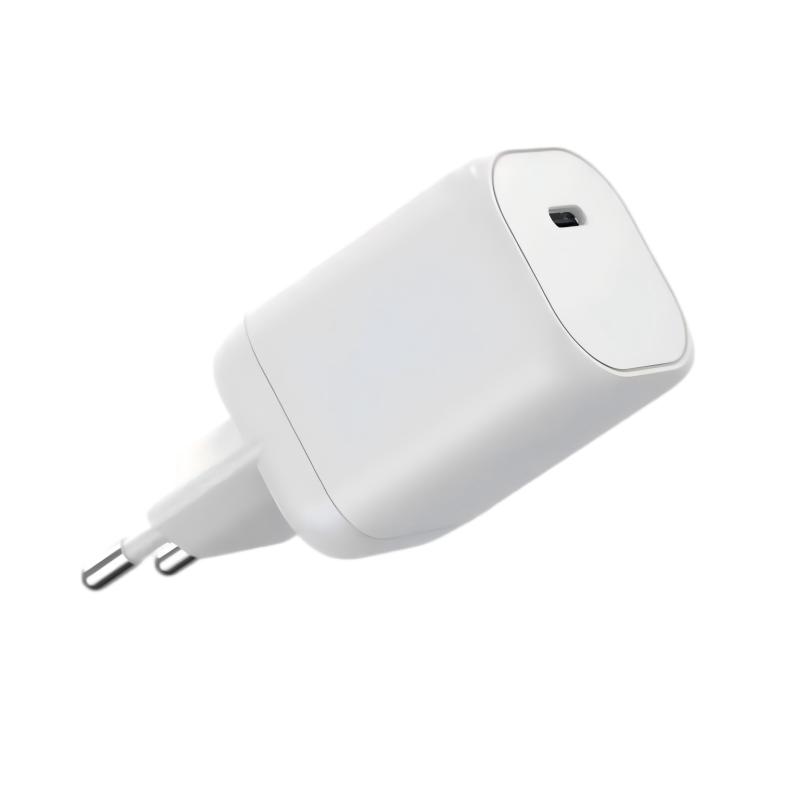
We rent cars, scooters and some equipment. Customers want to charge phones and sometimes laptops. How should we provide chargers without losing them or causing damage?
Short answer: Build charging into the vehicle or kit where you can, and use a small set of standard, branded chargers and cables for anything that leaves with the customer. Count items out and back in, keep the choice of models small and replace anything that looks damaged. Customers value a working, simple option more than many options.
Charging inside vehicles
Many rental cars have USB ports, but they vary in speed and age. Check them regularly, since a failed port is a common complaint. For scooters and open vehicles, a fixed, weather-protected USB outlet or a phone mount with wireless charging suits the use case, but needs a secure mount.
Loaner chargers
For items that leave with the customer, use one or two standard models and the same cables everywhere. A mixed bag of leftovers causes confusion and failures. Mark each item with your brand or a label, so customers know it belongs to you and returns are easy.
Count and check
- Include the charger and cable on the rental checklist, with a note at pickup and return.
- Inspect at return for damage, a bent plug or frayed cable.
- Replace damaged items straight away, and keep a few spares ready.
- Record losses to see what the real cost is.
Charging for equipment rentals
For rented equipment that needs power, such as a handheld device, supply the right charger and note the compatible model. A wrong charger can damage equipment, so label it clearly and keep spares matched to each type.
Handling theft and loss
Consider adding the charger to the rental agreement, with a small replacement charge if it is not returned. Do not overdo it. For low-cost chargers, many operators prefer to include them in the price and accept some losses.
Safety and complaints
- Use chargers with recognised safety markings.
- Do not allow high-power chargers to be used on weak vehicle outlets.
- Keep the quick-start guide in the glovebox or kit bag.
Review with data
After a season, look at which items were lost or damaged and which complaints came up. Simplify the range, and replace the models with the highest failure rate.
Where this answer says to confirm with Wecent, the detail is not published on the product page and has to come from the datasheet or the factory. General facts come from the regulators, standards bodies or device makers named in the text.
Three more perspectives
Products discussed in this thread


Related articles & topics
Have a sourcing question about your own programme?
Ask our team More Business & shared deployment questions