
Talk · Compliance · US & Canada rules
How do we handle a product-safety recall for chargers?
Assess the risk, stop sales, notify authorities through the required channels, inform customers with a clear recall notice, offer a remedy, collect affected units and record everything. In the EU, GPSR sets specific duties and a recall notice format.
 Wecent Editorial Team
Updated
2 min read
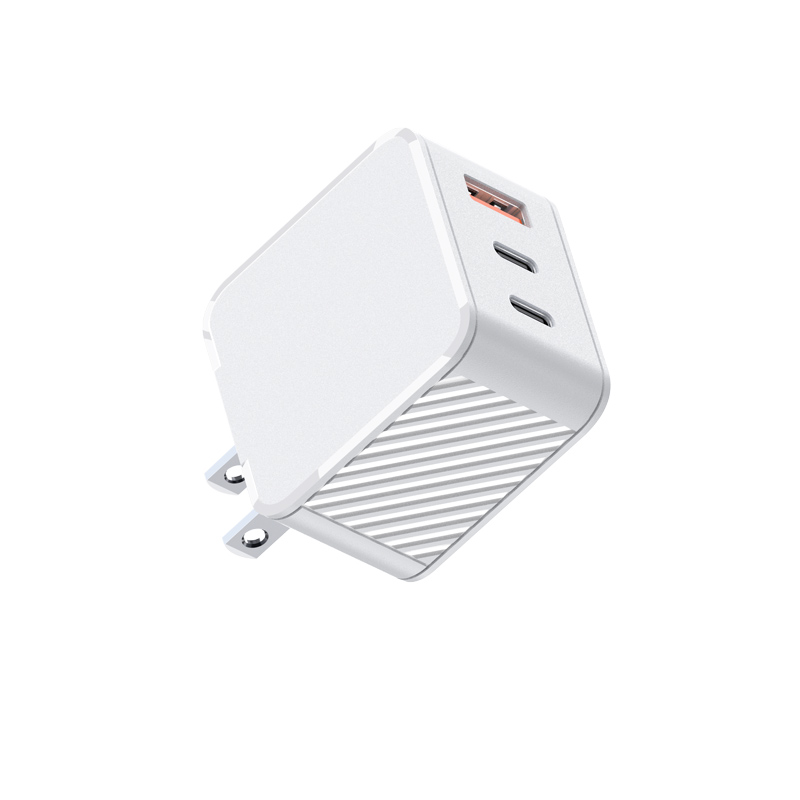
We’ve had a few reports of one charger model overheating. If it becomes a recall, what do we need to do?
Short answer: Start now: collect reports, assess the risk with the factory and a lab, and stop sales of affected batches if there’s a credible safety risk. In the EU, manufacturers must notify authorities through the Safety Business Gateway when a product presents a risk, and GPSR sets out recall notice content and remedies. Inform customers clearly, offer a free and effective remedy (repair, replacement or refund), collect units, and keep records of everything. Other markets have similar duties.
1. Assess
Gather incident reports, returned units and batch codes. Work with Wecent and an independent lab to find the cause and which batches are affected. Use a structured risk assessment; the EU provides methodology for consumer products.
2. Contain
Stop sales and shipments of affected batches. Inform marketplaces and distributors. Quarantine stock.
3. Notify authorities
Under the EU General Product Safety Regulation (EU) 2023/988, manufacturers (and importers and distributors in their roles) must notify the market surveillance authorities via the Safety Business Gateway when they become aware of a product presenting a risk. Other jurisdictions have their own duties, for example reporting obligations to the CPSC in the US and to the OPSS in the UK.
4. Recall notice
GPSR requires recall notices in writing, in the language of the member state, with specific content: a clear “product safety recall” heading, product description and identifiers, the hazard, what consumers should do, and the remedy. Avoid wording that downplays the risk. Use direct contact where you have customer details, plus your website, social media and marketplaces.
5. Remedy
GPSR requires an effective, cost-free and timely remedy, normally at least a choice of repair, replacement or refund. For chargers, replacement or refund is usual.
6. Collection and disposal
Arrange safe collection of affected units and their recycling as e-waste. Keep counts.
7. Records and follow-up
Record actions, response rates and units returned. Authorities may ask for progress reports. Fix the root cause before resuming sales.
Prepare before you need it
- Batch traceability on products and packaging.
- Customer contact data where lawful.
- A recall plan with roles and contacts.
- Agreement with Wecent on recall cost sharing.
This is a summary; use official guidance and legal advice for an actual recall.
Where this answer says confirm with Wecent, the detail is not published on the product page and has to come from the datasheet or the factory. General facts come from the standards bodies, regulators or device makers named in the text.
Three more perspectives
Products discussed in this thread


Related articles & topics
Have a sourcing question about your own programme?
Ask our team More US & Canada rules questions