
Talk · Compliance · Test reports, labels & documents
What FCC statement belongs in a charger’s user manual?
For a charger treated as a Class B digital device, the manual must carry the FCC's Class B note from 47 CFR 15.105(b), or similar wording, in a prominent place.
 Wecent Editorial Team
Updated
3 min read
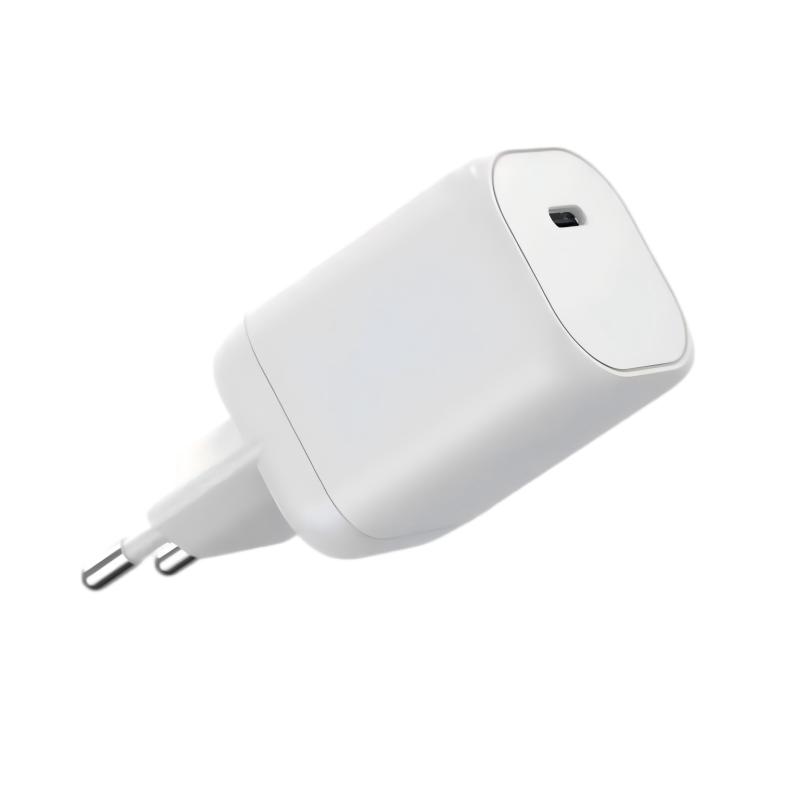
Our US distributor says our USB charger manual needs an FCC statement. Which wording is required, and where should it go?
Short answer: For a charger treated as a Class B digital device, the manual must carry the FCC’s Class B note from 47 CFR 15.105(b), or similar wording, in a prominent place. Devices authorised under Part 15 also need the compliance statement from 15.19(a), on the product or in the manual if the product is too small, and a caution about unapproved changes. Check which parts apply to your product with your lab.
Which rules apply
The wording in a manual depends on how the product is classified and authorised. For a Part 15 unintentional radiator that is a digital device, the main requirements are the information to the user in 47 CFR 15.105, the compliance statement in 15.19(a), and the caution on changes in 15.21. Your test lab should say which apply.
The Class B note
For a Class B digital device, the instructions must include the following or a similar statement, in a prominent place in the manual: “This equipment has been tested and found to comply with the limits for a Class B digital device, pursuant to part 15 of the FCC Rules. These limits are designed to provide reasonable protection against harmful interference in a residential installation.” The rest of the note explains that the equipment can radiate radio-frequency energy, that interference is not guaranteed not to occur, and lists measures the user can try, such as moving the receiver or using a different outlet circuit.
The compliance statement
Part 15 products need a statement such as: “This device complies with part 15 of the FCC Rules. Operation is subject to the following two conditions: (1) This device may not cause harmful interference, and (2) this device must accept any interference received, including interference that may cause undesired operation.” The FCC’s guidance explains that it goes on the device label, and may go in the manual if the device is too small to label.
The caution about changes
The manual should also caution users that changes or modifications not approved by the party responsible for compliance could void the user’s authority to operate the equipment.
Where to place it
- In the printed manual, in a clear section, not hidden in small print.
- On the device label where space allows.
- In an electronic manual, if the rules allow it for your product and users can reasonably access it.
For declaration products
If the charger follows the Supplier’s Declaration of Conformity route, the compliance information statement with the US responsible party’s details must also be supplied with the product.
Check with the lab
Ask the lab to review your draft text against the exact rules for your classification.
Sources checked on 24 Oct 2026: eCFR: 47 CFR 15.105 Information to the user; FCC: Equipment Authorization.
Where this answer says to confirm with Wecent, the detail is not published on the product page and has to come from the datasheet or the factory. General facts come from the regulators, standards bodies or device makers named in the text.
Three more perspectives
Products discussed in this thread


Related articles & topics
Have a sourcing question about your own programme?
Ask our team More Test reports, labels & documents questions