
Talk · Use · Travel & flying
Is it okay to use or leave a charger in a hot car or on a sunny windowsill?
Heat is the main enemy of chargers and batteries. Chargers have operating temperature limits and may reduce power or stop when hot. Don't leave them in hot cars or in direct sun.
 Wecent Editorial Team
Updated
3 min read
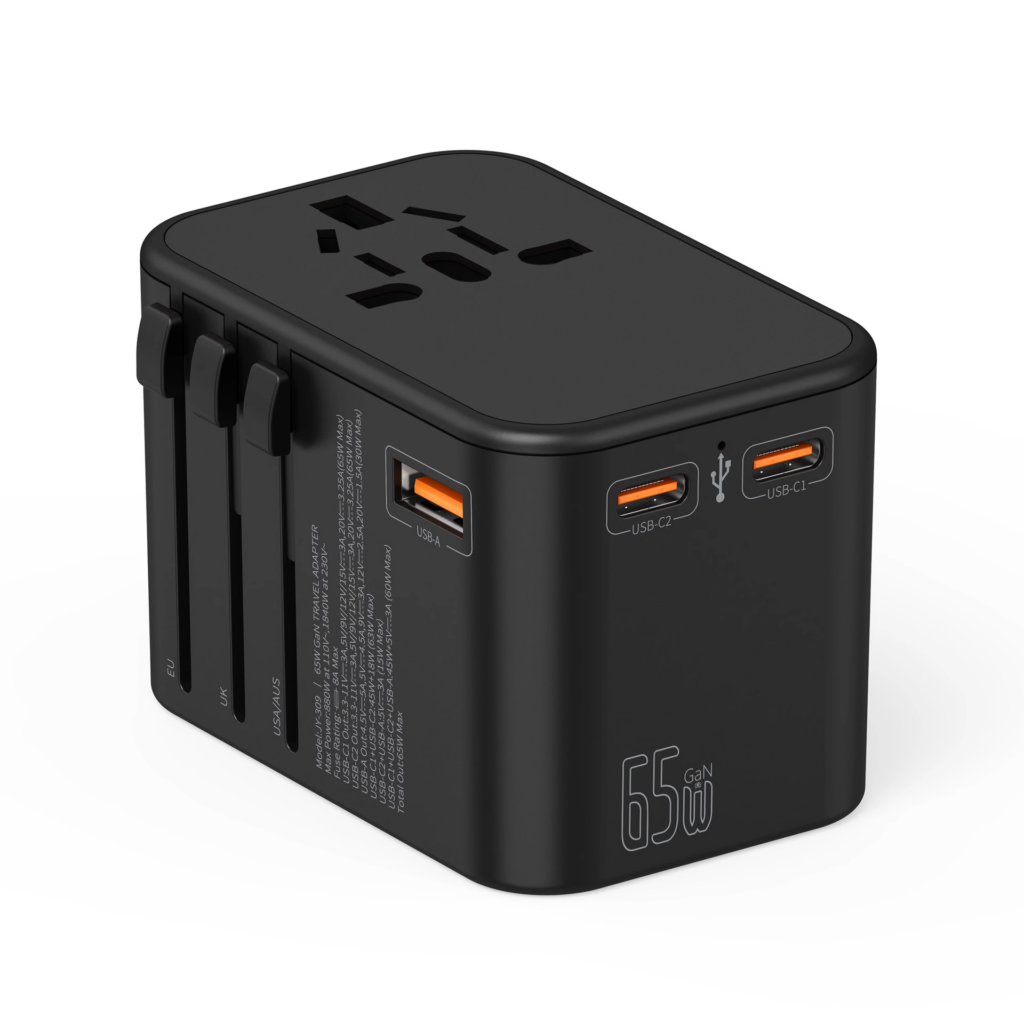
Customers ask whether they can leave our travel charger in the car during summer, or charge their phone on a wireless pad on a sunny windowsill. What should we advise?
Short answer: Avoid both. Cars in summer and surfaces in direct sun can get far hotter than the operating range of chargers and phones. Chargers protect themselves by reducing power or switching off, and phones pause charging when hot. Repeated heat ages components and batteries. Store chargers somewhere cool and charge in shade.
Why heat matters
- Chargers convert power with some loss as heat. In a hot environment, they can’t shed that heat, so internal temperatures rise.
- Components such as capacitors age faster at high temperatures.
- Phones limit charging when the battery is warm. Apple, for example, says iPhone may limit charging above 80% when it gets too warm.
- Plastics and adhesives can soften or deform at high temperatures.
Operating and storage ranges
Each model has a specified operating and storage temperature range in its datasheet or manual. The inside of a parked car in summer can exceed typical storage ranges. Confirm the exact ranges for each Wecent model with Wecent; we don’t state them here.
Cars
- Don’t leave chargers, phones or power banks on the dashboard or seats in the sun.
- A wall charger isn’t designed for car use. For in-car charging, use a charger built for 12V car sockets.
- Battery products, such as power banks, carry their own heat warnings and need extra care.
Windowsills and sunny desks
Direct sun heats both the charger and the phone. A wireless pad in the sun is likely to pause charging often. Move it to a shaded spot.
Cold is a concern too
Very cold conditions also affect charging. Phones may refuse or slow charging when the battery is cold, and condensation can form when a cold charger is brought into a warm room. Let it reach room temperature before plugging it in.
Ventilation at home and in the office
Heat isn’t only a summer issue. Chargers behind curtains, under bedding or packed tightly between other plugs also run hotter. A little space around the charger is enough.
Signs of heat stress
- Charging that stops and starts.
- A charger that’s too hot to hold.
- Discoloured or deformed plastic.
If you see deformation or discoloration, stop using the charger.
What to put in the manual
“Use and store in a cool, ventilated place. Do not leave in a hot vehicle or in direct sunlight.” Add the operating temperature range from the datasheet.
Where this answer says confirm with Wecent, the detail is not published on the product page and has to come from the datasheet or the factory. General facts come from the standards bodies, regulators or device makers named in the text.
Three more perspectives
Products discussed in this thread

Related articles & topics
Have a sourcing question about your own programme?
Ask our team More Travel & flying questions