
Talk · Maintenance · Care, cleaning & lifecycle
What does a sensible refurbishment policy look like for returned wireless chargers?
Yes, but only with a written policy: triage each return, test it for safety and function, repair only within defined limits, clean and repackage, label it as refurbished and sell it with a clear warranty.
 Wecent Editorial Team
Updated
2 min read
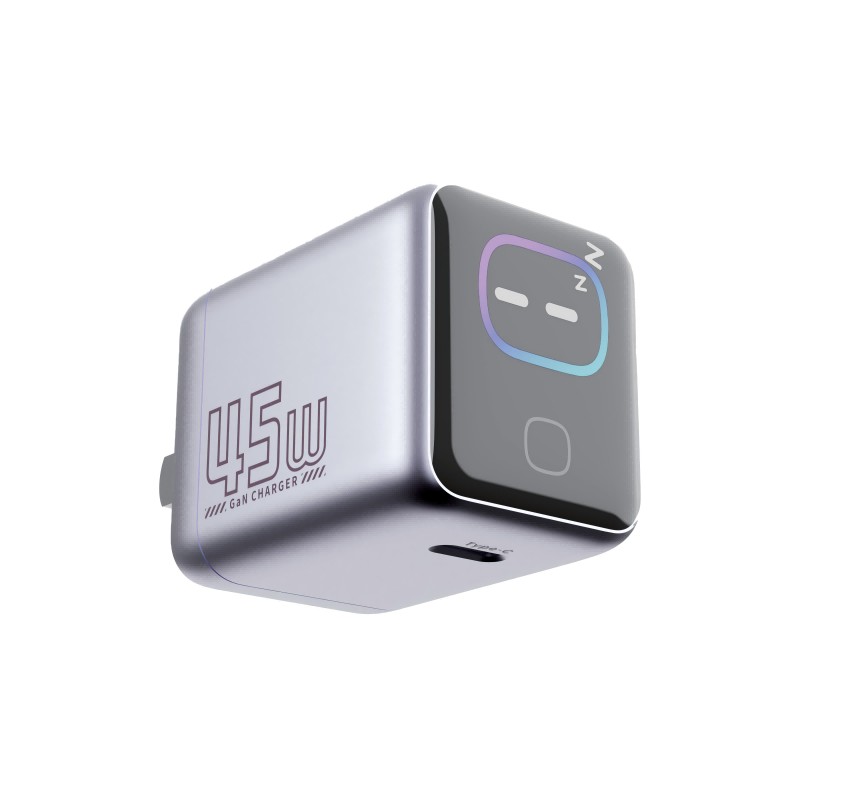
We get returned wireless chargers. Should we refurbish and resell them, and what would a sensible policy look like?
Short answer: Yes, but only with a written policy: triage each return, test it for safety and function, repair only within defined limits, clean and repackage, label it as refurbished and sell it with a clear warranty. Scrap anything with heat damage, burn marks, liquid damage or doubt. Keep records and track the refurbished units separately.
Why have a policy
Returns have value, and throwing everything away is wasteful. But a returned charger may have a hidden fault, and reselling a unit that is not safe creates risk. A policy keeps decisions consistent.
Triage
Sort returns into groups: 1. Unused or opened-box, with no fault. 2. Used, working, with cosmetic wear. 3. Faulty, with a fault that may be repairable. 4. Unsafe or damaged: burn marks, melting, swelling, smell, liquid damage, cracked case.
Rules for each group
- Group 1: inspect, test, clean and repack.
- Group 2: clean, test and grade by condition.
- Group 3: repair only if the fault is known, the repair is simple and approved, and the unit passes full testing afterwards.
- Group 4: do not resell. Scrap, and record why. Report safety issues to the factory.
Tests before resale
- Visual inspection of the shell, surface and cable.
- Electrical test: output, charging with a reference phone, temperature rise.
- Safety checks as required by your quality plan, such as insulation tests.
- Check that labels and markings are intact.
Repair limits
Allow repair only of parts that do not affect safety approvals. Do not replace critical components with different ones. Keep a list of approved repairs.
Cleaning and packaging
Clean with approved methods, replace damaged packaging and include the manual.
Labelling and sale
State clearly that the product is refurbished. Do not present it as new. Sell through channels that allow refurbished goods, with a warranty and a clear description of the condition.
Records
Keep a record of each unit: original serial or batch, reason for return, tests, repairs and the person who approved. Track the later returns of refurbished units.
Review
Review the data each quarter. If refurbished units come back often, tighten the rules.
Quick summary
Triage, test, repair only within limits, scrap doubtful units and label what you sell as refurbished.
Where this answer says to confirm with Wecent, the detail is not published on the product page and has to come from the datasheet or the factory. General facts come from the regulators, standards bodies or device makers named in the text.
Three more perspectives
Products discussed in this thread
Related articles & topics
Have a sourcing question about your own programme?
Ask our team More Care, cleaning & lifecycle questions