
Talk · Purchasing · Samples, tooling & launch
What should a charger sample’s test-data sheet show before we approve it?
It should identify the exact sample and test conditions, and show measured data for output voltage and current, load behaviour, efficiency and standby power, ripple, protection functions, temperature rise, and the safety and compliance tests relevant to the market.
 Wecent Editorial Team
Updated
3 min read
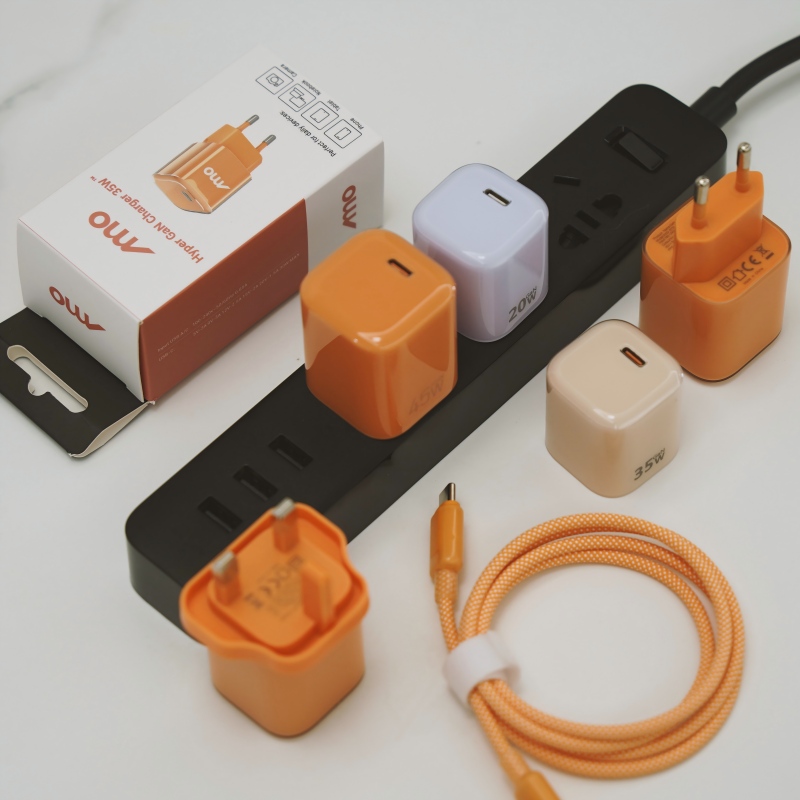
The factory sent us a test sheet with our charger sample. What should it show before we approve the sample?
Short answer: It should identify the exact sample and test conditions, and show measured data for output voltage and current, load behaviour, efficiency and standby power, ripple, protection functions, temperature rise, and the safety and compliance tests relevant to the market. Look for real numbers against stated limits, not just ‘pass’. Repeat key tests yourself.
Why the sheet matters
A good test sheet gives evidence that the sample meets the specification. It also becomes a reference when later production is compared. A sheet that only says ‘OK’ is not much use.
What to look for
- Identification. Model, revision, sample number, date, who tested and with what equipment.
- Test conditions. Input voltage and frequency, load, cable used, ambient temperature, and warm-up time.
- Output measurements. Voltage and current at several loads, at no load, and at the maximum.
- Fast-charge behaviour. Supported modes and the voltage levels tested, where claimed.
- Efficiency and standby power. Measured values at the loading points required by the applicable rules.
- Ripple and noise. Measured at the output, with the method.
- Protections. Over-voltage, over-current, short circuit and over-temperature, with the result of each.
- Temperature rise. Surface and key-part temperatures after a steady period.
- Safety tests. Dielectric strength, insulation, leakage current and similar tests, or references to the safety lab report.
- EMC. Emissions results or the lab report reference.
- Mechanical tests. Plug retention, drop, cable bend and labels.
- Compatibility. The devices tested, with results.
- Limits and results. For each test, the limit, the measured value and a pass or fail.
- Photos and the label.
Red flags
Round numbers with no decimals, no test conditions, the same values across different samples, no mention of equipment, missing tests and data that do not fit the specification.
What to do next
- Compare the numbers with the specification.
- Run a few key tests yourself or at a lab.
- Ask questions about anything unclear.
- Mark the approved sample, and keep it as the reference.
- Request the same format for the production samples.
Quick summary
Look for numbers, conditions and limits, and verify the important ones yourself.
Approval checklist
Before signing, tick off each item: the sample is identified, conditions are stated, every test has a limit and a measured value, protections were tested, safety and EMC reports are referenced, and photos match the sample. Record who approved it and on what date, and attach the sheet to the order file.
Where this answer says to confirm with Wecent, the detail is not published on the product page and has to come from the datasheet or the factory. General facts come from the regulators, standards bodies or device makers named in the text.
Three more perspectives
Products discussed in this thread
Related articles & topics
Have a sourcing question about your own programme?
Ask our team More Samples, tooling & launch questions