
Talk · Compliance · Test reports, labels & documents
How do we check that a charger test report really covers our model?
Match the model number, ratings, photos, critical components and the issuing lab's details against your product. A report for a similar model is not the same thing.
 Wecent Editorial Team
Updated
3 min read
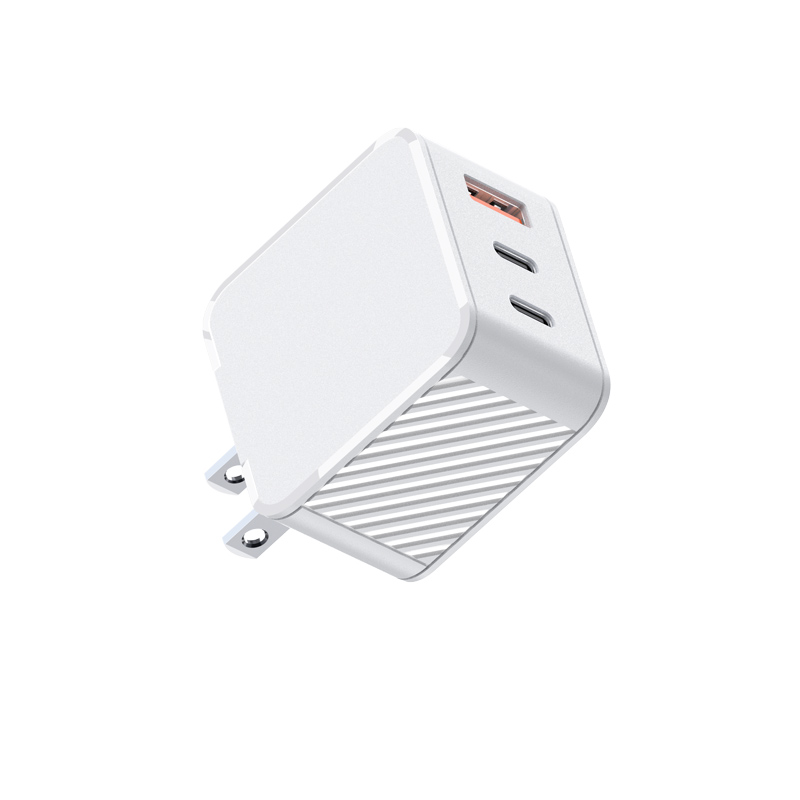
A factory sent us an IEC 62368-1 test report for our 100W charger. The model number on the report is close to ours but not identical. How do we check whether the report really covers what we’re buying?
Short answer: Check five things: the model list (including any listed variants and declared differences), the ratings, the photos, the critical components list, and the standard edition and lab. If your model isn’t listed, or your product differs in any of these, the report doesn’t cover it as is. Ask for an amendment or a new report.
1. Model list
Reports list the tested model and often a set of additional models, with a statement of how they differ, for example “identical except for colour and model name”. Your exact model number should appear there. A similar or “series” number isn’t enough unless the report explicitly covers it.
2. Ratings
Compare input and output ratings, including every USB PD profile and the total output, with your label and datasheet. A report for a 65W version doesn’t cover a 100W version with the same housing.
3. Photos
Reports include external and often internal photos. Compare the housing, ports, plug system, PCB layout and transformer with your sample. Differences in port count or plug heads matter.
4. Critical components
The report lists safety-critical parts with manufacturer and model, such as the fuse, transformer, optocoupler, Y-capacitor, plastic enclosure material and PCB. Ask the factory to confirm in writing that production uses the listed parts or listed alternates.
5. Standard, lab and validity
- Check the standard and edition, for example IEC 62368-1 and its edition or amendment, and the national differences if a CB report.
- Check the lab and its accreditation, and for CB reports the issuing body’s certificate.
- Check the date and whether the lab can verify the report. Some labs offer online verification.
If it doesn’t match
Ask for an amendment that adds your model with declared differences, or a new report. Amendments are often quicker than full retesting when only cosmetic details differ. Confirm with Wecent which reports can be extended to your brand model and how long that takes.
Keep the evidence
File the report, the comparison notes and the factory’s written component confirmation in the technical file. That record is what you show an authority or marketplace that asks how you checked.
Where this answer says confirm with Wecent, the detail is not published on the product page and has to come from the datasheet or the factory. General facts come from the standards bodies, regulators or device makers named in the text.
Three more perspectives
Products discussed in this thread

Related articles & topics
Have a sourcing question about your own programme?
Ask our team More Test reports, labels & documents questions