
Talk · Purchasing · Samples, tooling & launch
How should the first order be split across colours?
Weight the order toward the colours with the strongest, most predictable demand, usually black and white, and keep other colours small or leave them for a second order.
 Wecent Editorial Team
Updated
3 min read
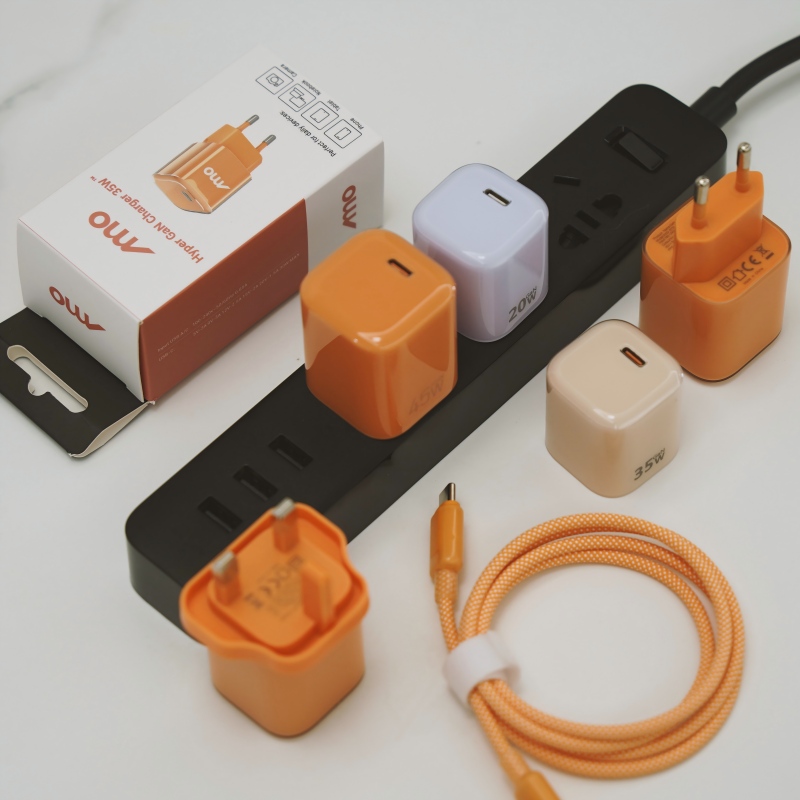
We can order chargers in several colours, but the factory has a minimum for each. How do we split the first order without ending up with slow-moving colours?
Short answer: Weight the order toward the colours with the strongest, most predictable demand, usually black and white, and keep other colours small or leave them for a second order. Every extra colour raises the minimum and splits stock. Use pre-launch tests and early sales data to decide when a new colour earns its place.
Why colours are tricky
Each colour needs its own parts, packaging and minimum quantity. More colours mean more inventory, more risk of slow stock and more chances for errors. Customers often choose by price and availability first, and colour second.
Start with the safe choices
Black and white usually sell best for chargers, especially in business and travel channels. Put most of the first order into these.
Add colours carefully
- Pick one accent colour that suits your brand or gift channel.
- Order the minimum for it, not more.
- Check that the shell and cable colours match.
- Decide a sell-through target and a review date.
Use data to decide
- Ask retail buyers or customers which colours they want.
- Run a small pre-order or a survey.
- Look at competitors’ bestsellers.
- Track sales by colour after launch.
Plan the second order
Reorder the colours that sold out, and drop or reduce the slow ones. A second order is a good time to test another colour.
Pack and label clearly
Use distinct SKUs and barcodes for each colour, and mark cartons clearly. A mix-up between colours is a common warehouse mistake.
Check the minimums
Ask the factory whether minimums apply per colour or in total, and whether you can mix colours at a higher price. Compare the cost of a larger minimum with the cost of holding unsold stock.
Quick summary
Lean on black and white, test other colours in small quantities and let sales data guide the next order.
Example split
A cautious first order might put most units in black and white, and a small share in one accent colour, with each colour at or just above the factory minimum. Review sales after a few weeks and then adjust. This avoids tying cash up in a colour that may sell slowly.
Gift and promotion orders
If you plan gift sets or promotions, ask for colours that match the gift theme and plan them as separate small orders. Keeping gift colours apart from the standard range prevents slow stock from spoiling the numbers for your core products.
Where this answer says to confirm with Wecent, the detail is not published on the product page and has to come from the datasheet or the factory. General facts come from the regulators, standards bodies or device makers named in the text.
Three more perspectives
Products discussed in this thread
Related articles & topics
Have a sourcing question about your own programme?
Ask our team More Samples, tooling & launch questions