
Talk · Troubleshooting · Heat, noise & safety signs
Why does a charger get hotter in a wall socket behind furniture?
Yes, it is a real effect.
 Wecent Editorial Team
Updated
3 min read
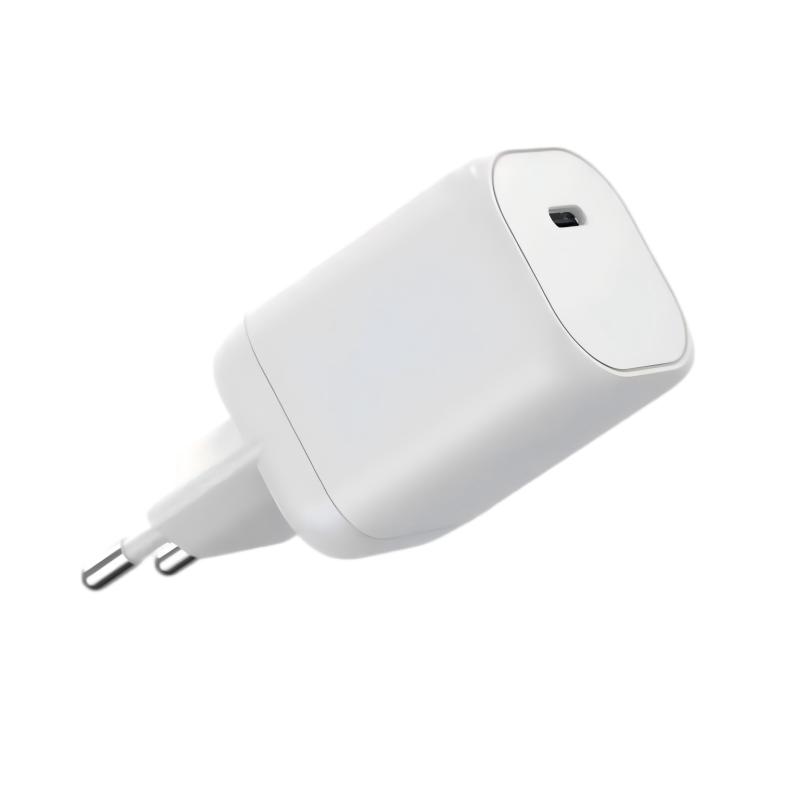
Customers say their charger is warmer when the socket is behind a sofa or bed. Is that a real effect, and what should we tell them?
Short answer: Yes, it is a real effect. A charger sheds heat into the surrounding air, and a socket behind furniture or curtains has little airflow, so the heat builds up around the charger. Warm is normal, but a charger that is hot to the touch in a blocked space should be moved to open air.
Why a charger gets warm
Every charger wastes a small part of the power it handles as heat. That heat leaves through the case into the air around it. A charger designed for normal room use assumes that air can move around the case and carry the heat away.
What furniture changes
- Trapped air. Behind a sofa or bed the air is still, so it heats up and the charger’s case stays hotter.
- Soft materials. Curtains, blankets and upholstery insulate the charger and block ventilation.
- Enclosed spaces. A socket inside a cabinet, a bedhead or a recess has even less air movement.
- High-power use. A charger at full output makes more heat than one topping up a phone slowly.
- Several chargers together. A crowded power strip adds heat from every unit.
Why it matters
Chargers are designed with temperature limits for their parts and case. A good design includes protection that reduces output or shuts down if it gets too hot. But repeated high temperatures shorten the life of capacitors and plastics, and soft materials touching a hot charger add a fire risk.
Practical advice for users
- Plug the charger where air can move around it, not under bedding or behind a tight sofa.
- Keep fabric, paper and cables away from the case.
- Use a short cable and place the charger on a hard surface if it is not wall-mounted.
- Unplug and check the charger if it feels too hot to hold, smells or discolours.
- Do not cover a charger while it is working.
What brands can do
Ask the factory about temperature rise tests with the charger in a still-air box, and about thermal protection behaviour. Include a short instruction in the quick-start guide telling users to keep the charger uncovered and ventilated.
What to collect from complaints
Record the socket location, the load and the room. Complaints from a blocked space point to user placement, while complaints from open air point to a design issue.
Where this answer says to confirm with Wecent, the detail is not published on the product page and has to come from the datasheet or the factory. General facts come from the regulators, standards bodies or device makers named in the text.
Three more perspectives
Products discussed in this thread


Related articles & topics
Have a sourcing question about your own programme?
Ask our team More Heat, noise & safety signs questions