
Talk · Compliance · Test reports, labels & documents
Can one set of certificates cover both the black and white versions of a charger?
A single set of certificates can often cover both colours if the only difference is the colour of the same plastic, and the certifier has confirmed that the materials are equivalent in safety terms.
 Wecent Editorial Team
Updated
3 min read
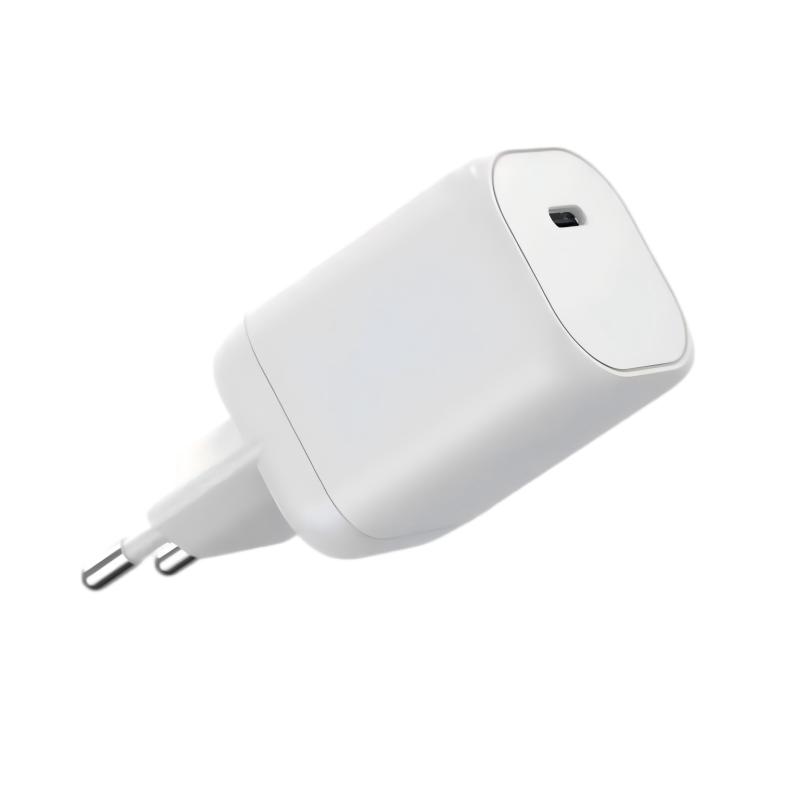
We want to launch the same 65W charger in black and white. Do we need separate certificates, or can one set cover both colours?
Short answer: A single set of certificates can often cover both colours if the only difference is the colour of the same plastic, and the certifier has confirmed that the materials are equivalent in safety terms. Check the plastic grade, flame rating, pigment and any coating, and ask the certifier to list both colours on the report. Never assume without confirmation.
Why colour can matter
Colour looks like a cosmetic choice, but pigments can change the way plastic behaves. A pigment or additive can alter flame resistance, heat performance or mechanical strength. For safety approvals, the plastic material and its colour are usually recorded.
When one report can cover both
In many cases the plastic manufacturer lists the same base material in several colours with the same ratings. If both colours of the grade appear on the material’s approval record, the certifier may accept them under one report. The product construction, parts and ratings must be identical.
What to check
- Material datasheet. Does it list both colours with the same flame rating and temperature rating?
- Plastic supplier approval. Are both colours covered in the supplier’s listing?
- Coatings and paint. If a colour needs a spray or coating, that is a different treatment from moulded-in colour.
- Labels. Make sure both versions carry the same marks and model numbers, or add model suffixes agreed with the certifier.
- Test report entry. Ask the lab to list both colours or the colour range on the report.
When retesting may be needed
- A different plastic grade or a different supplier for one colour.
- A pigment that has no material approval for that rating.
- A coating or soft-touch finish that changes the surface.
- A change that affects temperature rise or insulation.
Model numbers
Decide how you name the versions. Some brands use a suffix for colour, such as -B and -W. Tell the certifier the naming so that the certificate matches what appears on the product and the label.
Keep evidence
File the datasheets, the supplier’s colour approval and the certifier’s confirmation email. They answer a retailer audit in minutes.
Ask early
Raise colour variants at the start of the project. Adding a second colour after certification is easy if it was planned and slower if it surprises everyone.
Where this answer says to confirm with Wecent, the detail is not published on the product page and has to come from the datasheet or the factory. General facts come from the regulators, standards bodies or device makers named in the text.
Three more perspectives
Products discussed in this thread


Related articles & topics
Have a sourcing question about your own programme?
Ask our team More Test reports, labels & documents questions