
Talk · Compliance · Test reports, labels & documents
When does a design change need a delta report instead of a full retest?
It depends on how much the change affects safety and performance.
 Wecent Editorial Team
Updated
3 min read
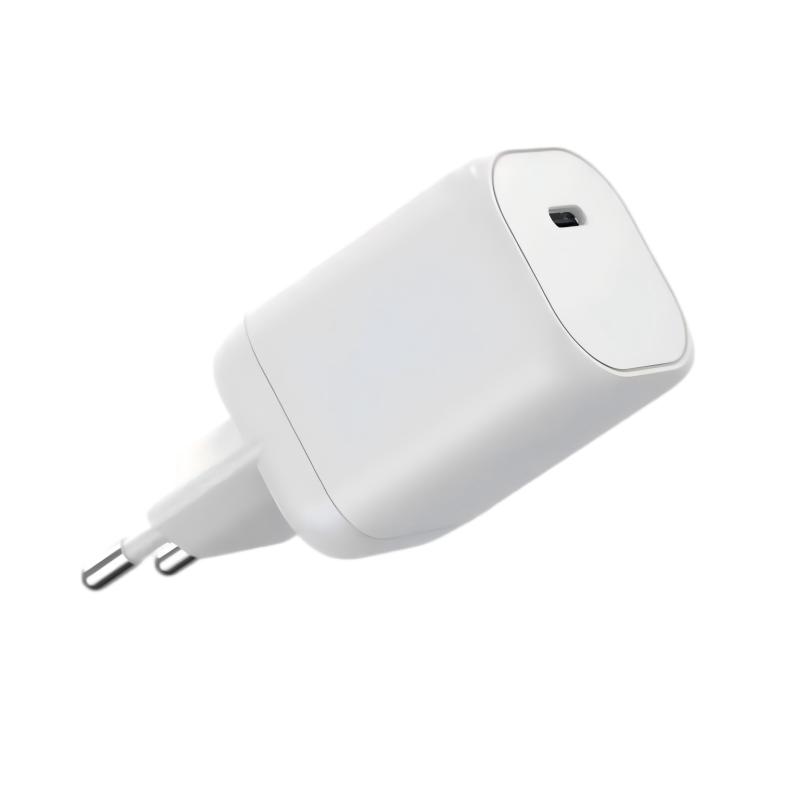
We want to change a component on an approved charger. How do we know whether the lab will accept a delta report or require a full retest?
Short answer: It depends on how much the change affects safety and performance. If the change is small and touches few requirements, such as a like-for-like part with the same ratings, a lab may accept a limited delta evaluation covering only the affected tests. If it changes critical circuits, materials or construction, a full retest is more likely. Ask the lab before you build.
What a delta report is
A delta report evaluates only the changes since a previous approved report, and repeats the tests that the change could affect. It is faster and cheaper than a full test, but the lab decides when it is enough.
Factors that point to a limited evaluation
- A part replaced by an equivalent from another source with the same ratings and approvals.
- A change to colour or non-critical cosmetic parts.
- A small dimension change that does not affect safety distances.
- A label update that does not change ratings.
Factors that point to a full retest
- A change to the transformer, controller or critical safety parts.
- A change to the rating, output power or topology.
- A new plastic that changes the flame rating.
- A change that alters spacing, insulation or thermal design.
- Several small changes that together affect behaviour.
How to ask
- Describe each change in a short table: old part, new part, and reason.
- Attach datasheets and drawings.
- Reference the original report and certificate.
- Ask the lab and the certification body what they require.
- Get the answer in writing.
What to document
- The change request and the approval.
- The updated bill of materials.
- The delta report or the new full report.
- An updated certificate or listing, if required.
Do not ship first
Selling units with an unapproved change risks the certificate and can trigger compliance problems.
Plan ahead
Group changes together, so that one evaluation covers them. Keep a record of approved alternatives to speed up later decisions.
Quick summary
Small like-for-like changes may need only a delta evaluation; changes to critical parts, ratings or construction usually need more. Ask the lab and certifier in writing before building.
Example scenarios
A capacitor swapped for another of the same rating, voltage class and approval type may be a small change. Swapping the transformer for a different winding supplier is likely to need re-evaluation of temperature rise and insulation. Changing the shell resin changes flame and heat behaviour. Describe each case honestly, and let the lab judge.
Where this answer says to confirm with Wecent, the detail is not published on the product page and has to come from the datasheet or the factory. General facts come from the regulators, standards bodies or device makers named in the text.
Three more perspectives
Products discussed in this thread


Related articles & topics
Have a sourcing question about your own programme?
Ask our team More Test reports, labels & documents questions