
Talk · Troubleshooting · Factory & QC failure analysis
Why do ultrasonic-welded shells leak or separate after thermal cycling?
Ultrasonic welds that open after thermal cycling usually had a marginal bond to begin with.
 Wecent Editorial Team
Updated
3 min read
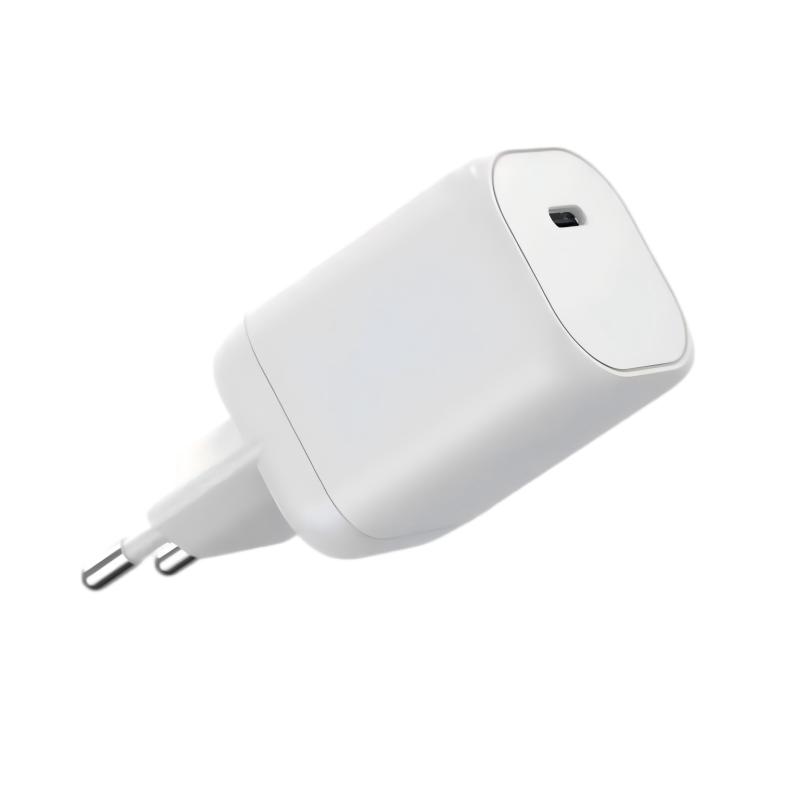
After a temperature-cycling test, the welded seam on some of our charger shells opened a little. The factory says the weld was fine at the start. What goes wrong, and how do we prevent it?
Short answer: Ultrasonic welds that open after thermal cycling usually had a marginal bond to begin with. Heating and cooling expand and contract the two halves at different rates, and a weld with too little energy, poor joint design, mismatched materials or trapped moisture cannot take the stress. Fix the joint design and the weld settings, then re-test with the same cycling.
How an ultrasonic weld works
High-frequency vibration melts a small ridge on one half of the shell, called the energy director, so that it fuses with the other half. The bond depends on the joint shape, the material, the pressure, the time and the energy used. A weld that looks solid on day one can still be weak.
What thermal cycling does
When a charger heats up and cools down, the shell expands and contracts. The two halves, or the plastic and any insert, may move by different amounts. That repeated movement stresses the seam, and a weak seam opens a little each cycle.
Common causes
- Too little or too much weld energy. A cold weld does not fuse, and an overweld can create brittle zones.
- Joint design. A poorly shaped energy director, uneven wall thickness or a joint that is not supported can leave gaps.
- Material mismatch. Two plastics or two grades that do not weld well together, or a recycled blend with variable behaviour.
- Moisture. Plastic that absorbs water and was not dried before moulding can form weak zones.
- Fixture and alignment. Parts that are not held square during welding leave uneven bonding.
- Internal stress. Moulded-in stress or parts that press against the seam add load.
How to investigate
- Cut or peel failed shells and look at the fracture surface, noting where the bond is poor.
- Compare weld settings, machine and date code against units that passed.
- Check material grade, drying records and any change of supplier.
- Review the joint drawing and tolerance of the mating parts.
- Run a controlled thermal cycling test on a sample of production units.
What to ask for
A written analysis, a revised weld parameter window, a joint redesign if needed, and a re-test showing that the shells survive the same cycling with no opening.
Do not mask the problem
Glue or tape around the seam may hide a leak, but it does not fix the cause. A shell that opens can expose internal parts, which is a safety question.
Where this answer says to confirm with Wecent, the detail is not published on the product page and has to come from the datasheet or the factory. General facts come from the regulators, standards bodies or device makers named in the text.
Three more perspectives
Products discussed in this thread


Related articles & topics
Have a sourcing question about your own programme?
Ask our team More Factory & QC failure analysis questions