
Talk · Compliance · US & Canada rules
What does ISED require for chargers and wireless chargers sold in Canada?
Innovation, Science and Economic Development Canada (ISED) sets radio and interference rules. Wireless chargers are radio apparatus and typically need certification under RSS-216, while ICES-003 covers unintentional emissions. Electrical safety and bilingual labelling are separate requirements.
 Wecent Editorial Team
Updated
2 min read
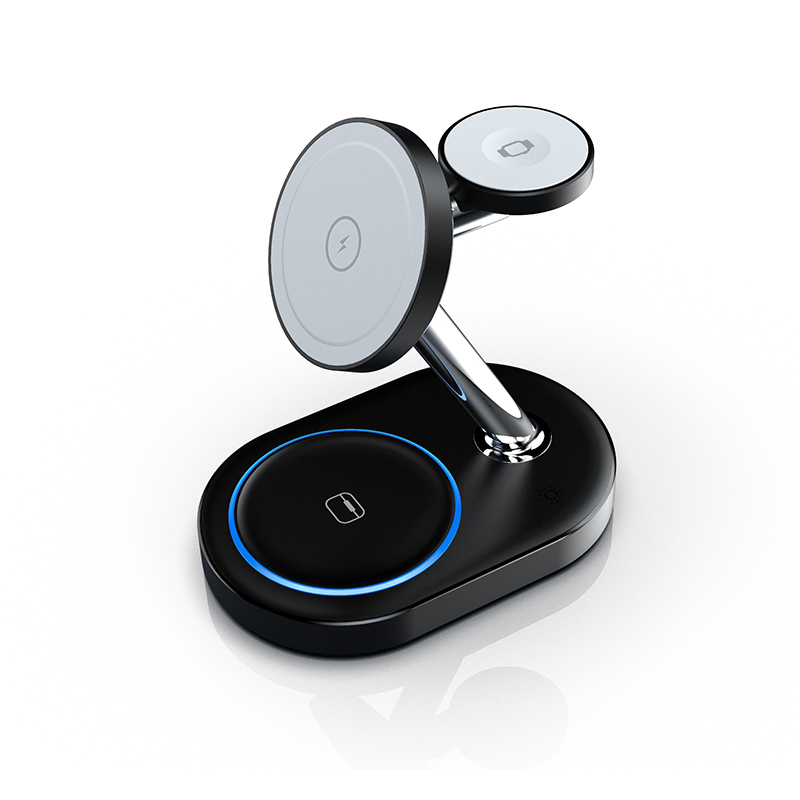
We plan to sell wired and wireless chargers in Canada. What do we need from ISED?
Short answer: ISED Canada regulates radio apparatus and interference. Wireless power transfer devices are covered by RSS-216, and models usually need ISED certification with a registration number shown on the product or label. ICES-003 covers unintentional radio noise from digital equipment and needs a compliance statement. Separately, mains-powered chargers need electrical safety certification by an accredited body, and consumer packaging generally needs English and French. Check ISED’s current documents and ask Wecent which reports and certificates exist.
Wireless chargers and RSS-216
ISED’s Radio Standards Specification RSS-216 covers wireless power transfer devices. Wireless chargers generally fall under it and are certified through a recognised certification body, after which they appear in ISED’s Radio Equipment List with a certification number. The number is shown on the product according to labelling rules. Requirements and exemptions are set out in the current RSS-216 and RSS-Gen documents, so check them directly.
ICES-003 for emissions
ICES-003 covers information technology equipment and digital apparatus that can cause unintentional radio interference. It typically requires testing and a compliance label or statement rather than certification. Chargers containing digital electronics are usually considered under it or under related standards; the test lab can confirm which applies.
Electrical safety
ISED doesn’t handle electrical safety. In Canada, electrical products need certification by an accredited certification body, shown by a recognised mark such as cUL, CSA or another accredited mark. Provincial rules make this a condition of sale.
Bilingual labelling
Consumer packaging labelling in Canada generally needs English and French under federal labelling rules, with some provincial requirements, notably Quebec. Safety warnings and manuals are usually provided in both languages.
Who is responsible
The manufacturer or the Canadian importer usually holds the certification and labelling responsibility, depending on how the product is placed on the market. Agree in writing who obtains the ISED certification and in whose name, and keep copies of certificates and test reports in your technical file so you can respond to marketplace or regulator requests quickly.
US reports may help
Testing for FCC can often be adapted for ISED, since standards overlap in places, but a separate Canadian certification and labelling step is still needed.
Confirm with Wecent which ISED certifications, test reports and safety certificates exist for each model; this is not legal advice.
Where this answer says confirm with Wecent, the detail is not published on the product page and has to come from the datasheet or the factory. General facts come from the standards bodies, regulators or device makers named in the text.
Three more perspectives
Products discussed in this thread
Related articles & topics
Have a sourcing question about your own programme?
Ask our team More US & Canada rules questions