
Talk · Maintenance · Care, cleaning & lifecycle
How do we handle colour fading or yellowing on white chargers?
Yellowing usually comes from UV light, heat and some cleaning agents acting on plastics. It's cosmetic in most cases. Prevent it with storage away from sun, gentle cleaning and good material choice, and check yellowed units for heat damage before dismissing it.
 Wecent Editorial Team
Updated
3 min read
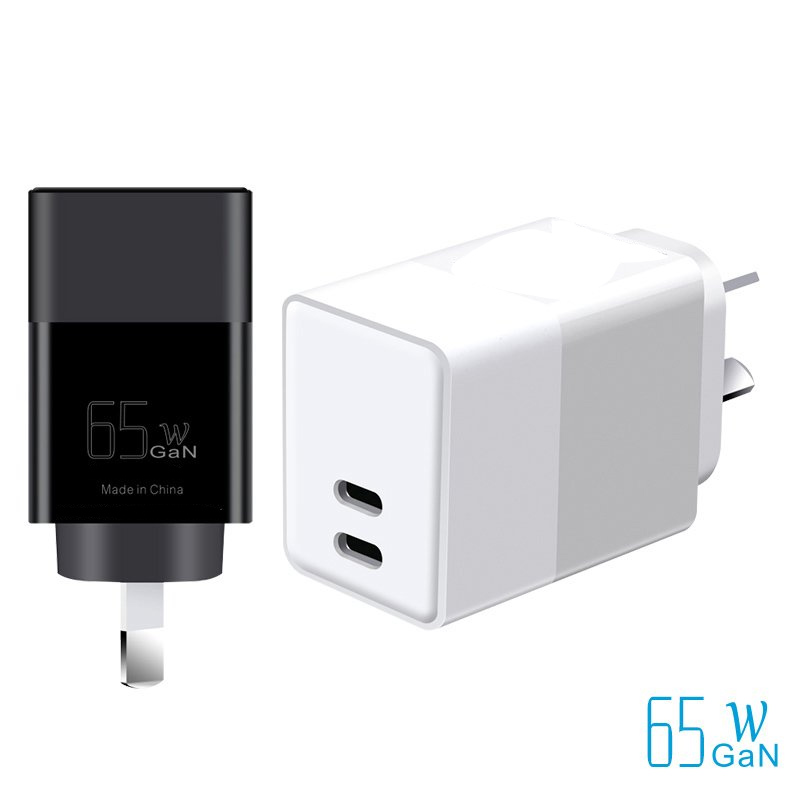
Some customers send photos of our white chargers turning yellow after a year. Is that a defect, and how should we respond?
Short answer: Usually it’s cosmetic ageing. Many plastics yellow over time when exposed to UV light, heat and certain cleaning chemicals. Uniform yellowing on surfaces exposed to light is typically cosmetic. Localised browning near pins, ports or vents, or yellowing with deformation, can indicate heat damage and should be treated as a safety concern. Advise storage away from sunlight and gentle cleaning, and discuss material grades with the factory for future batches.
Why plastics yellow
White housings are often made from polycarbonate or blends with pigments and stabilisers. UV light from windows, heat from use or the environment, and some cleaning chemicals can break down molecules near the surface and cause yellowing. The rate depends on the material grade, stabilisers and exposure.
Cosmetic yellowing
- Even colour change across exposed surfaces.
- More yellowing on the side facing a window.
- No deformation, smell or discoloured hotspots.
Possible heat damage
- Brown or dark spots near pins, ports or seams.
- Deformation, bubbling or soft spots.
- Smell of hot plastic.
These signs should be treated as a safety concern: stop using the charger, return it and report the batch.
Prevention for users
- Keep chargers away from windowsills and direct sun.
- Clean with a dry or slightly damp cloth, not solvents or bleach-based wipes.
- Avoid hot places such as car dashboards.
Prevention in production
Material grade and UV stabilisers make a difference. Ask Wecent which grade is used and whether a UV-stabilised option is available. Any change in material must be checked against the safety report’s material listing and RoHS/REACH evidence.
Responding to customers
Ask for photos showing all sides and the pins. If yellowing is even and there are no heat signs, explain the cause and offer cleaning and placement advice; consider goodwill replacement within warranty if your policy allows. If there are heat signs, treat it as a safety ticket and replace the unit.
Different whites
Different batches or materials may start slightly different shades of white. Two chargers side by side can look different even when new. Agree colour tolerance with the factory and keep a reference plaque, so you can tell normal variation from ageing.
Track it
Record yellowing complaints by batch and colour. A cluster in one batch may point to a material change.
Where this answer says confirm with Wecent, the detail is not published on the product page and has to come from the datasheet or the factory. General facts come from the standards bodies, regulators or device makers named in the text.
Three more perspectives
Products discussed in this thread
Related articles & topics
Have a sourcing question about your own programme?
Ask our team More Care, cleaning & lifecycle questions