
Talk · Purchasing · Channels & supplier management
How do we plan stock for a charger range across 20W, 45W, 65W and 100W?
Plan each wattage by its own demand, margin and lead time, not as equal shares. Phone chargers usually sell in the largest volumes; laptop chargers carry higher value and more variation. Review sell-through monthly and reorder by tier.
 Wecent Editorial Team
Updated
3 min read
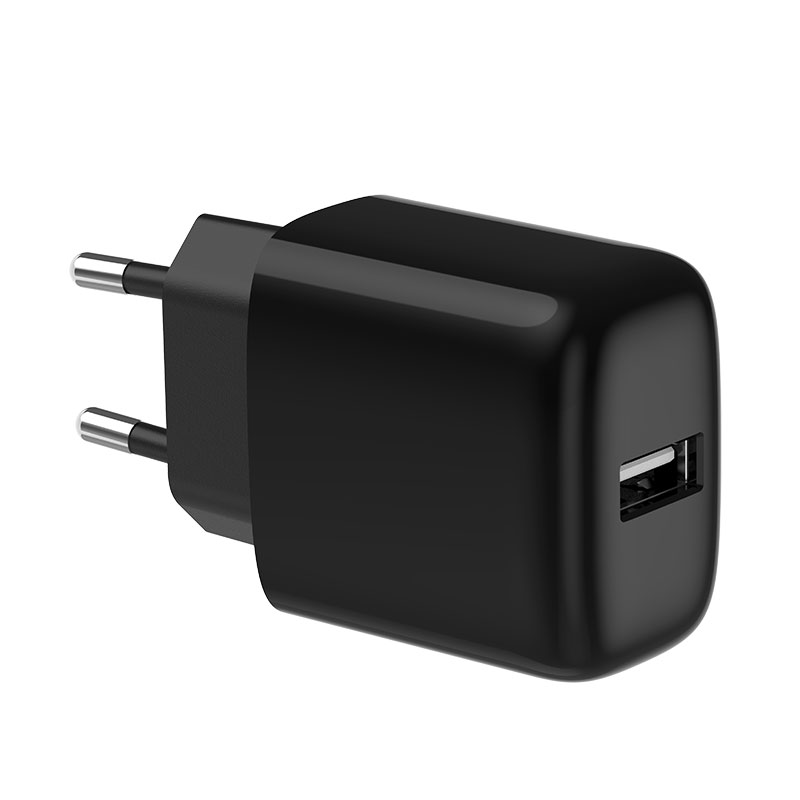
We’re launching a four-wattage USB-C charger range: 20W, 45W, 65W and 100W. How should we split our first order and plan stock afterwards?
Short answer: Don’t split evenly. Estimate demand per tier from your channel data or comparable products; phone-oriented 20W chargers often sell in higher volumes, while 65W and 100W carry more value per unit. Set safety stock per tier based on lead time and demand variability, take plug variants into account, and use the MOQ per model wisely. After launch, review sell-through monthly and reorder each tier separately.
Estimate demand per tier
Use your sales history, marketplace category data or customer conversations. Typical patterns: many customers buy a phone charger, fewer buy laptop chargers, and 100W is often a premium niche. Your channel may differ; a B2B laptop rollout flips the pattern.
Consider value as well as units
A 100W unit ties up much more cash than a 20W unit. Overstocking expensive tiers hurts cash flow more than overstocking cheap ones. Weight your first order towards units that sell fastest, with smaller test quantities of premium tiers.
Plug variants multiply SKUs
Four wattages in EU, UK, US and AU plugs become sixteen SKUs. Interchangeable heads reduce this; otherwise, plan each plug variant by market. Start with fewer variants in markets you’re testing.
MOQ and mixing
Wecent’s product pages list an MOQ of 200 pieces per model. Ask whether colours or plug variants can be mixed within the MOQ, and whether different models can be combined in one order to reach shipping or price breaks.
Safety stock
Safety stock covers demand variability during the replenishment lead time. Lead time includes production (Wecent lists 7–15 days after sample confirmation for mass production), inspection and shipping. Sea freight adds weeks; air freight is faster but costs more. Fast-moving tiers need more safety stock.
Seasonality
Q4 and back-to-school periods affect phone and laptop charger demand. Order earlier for these periods and plan for factory holidays.
Review cadence
- Monthly sell-through by SKU.
- Weeks of cover per SKU.
- Reorder triggers per tier.
- Quarterly review of slow movers.
Slow movers
If one tier sells slowly, consider bundles (e.g. 65W charger with cable), price promotions or B2B channels rather than letting stock age.
A simple first-order approach
Order the MOQ for slower tiers and more for the expected best seller, then let real data drive the second order. The first order is a test; plan for a quick second order rather than trying to guess everything correctly upfront.
Where this answer says confirm with Wecent, the detail is not published on the product page and has to come from the datasheet or the factory. General facts come from the standards bodies, regulators or device makers named in the text.
Three more perspectives
Products discussed in this thread


Related articles & topics
Have a sourcing question about your own programme?
Ask our team More Channels & supplier management questions