
Talk · Compliance · Test reports, labels & documents
Do chargers with Bluetooth speakers need extra approvals?
Yes. Adding Bluetooth brings the product under radio requirements for the Bluetooth radio as well as the wireless charging function. In the EU that means RED with relevant radio and EMC standards; in the US, FCC authorisation for the Bluetooth transmitter.
 Wecent Editorial Team
Updated
3 min read
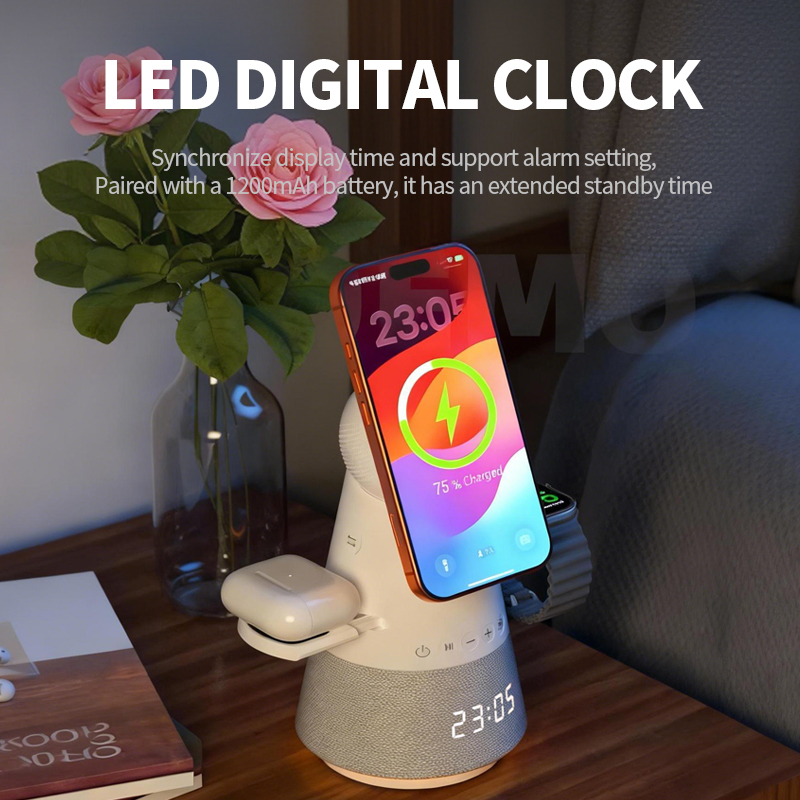
We want to sell Wecent’s speaker-and-wireless-charger desk device in the EU and US. Is the compliance the same as a plain wireless charger?
Short answer: No, it’s more. The Bluetooth radio is an intentional transmitter. In the EU, the product falls under the Radio Equipment Directive (RED) for both Bluetooth and wireless charging; typical standards include ETSI EN 300 328 for 2.4 GHz Bluetooth, ETSI EN 303 417 for wireless power transfer, EMC standards such as ETSI EN 301 489 parts, and safety under EN 62368-1. In the US, the Bluetooth transmitter needs FCC equipment authorisation, and wireless charging is assessed under FCC rules using KDB 680106. Using the Bluetooth name and logo also requires Bluetooth SIG qualification and membership.
EU: RED covers everything
Any product containing radio equipment falls under RED, which also covers safety and EMC essential requirements. For a speaker charger, the assessment typically includes:
- Radio: ETSI EN 300 328 for Bluetooth in the 2.4 GHz band; ETSI EN 303 417 for wireless power transfer.
- EMC: ETSI EN 301 489-1 with relevant parts, e.g. -17 for broadband data systems such as Bluetooth.
- Safety: EN 62368-1, covering audio/video and ICT equipment.
- RF exposure: assessment under relevant standards, often EN 62479 or EN 62311.
RED also requires information on frequency bands and maximum power in the instructions. A RoHS and REACH assessment applies as for any charger.
US: FCC
- The Bluetooth transmitter is an intentional radiator that requires FCC certification, often via a pre-certified module, with appropriate labelling and integration.
- Wireless power transfer is assessed using FCC guidance KDB 680106; the authorisation route depends on the design.
- Unintentional emissions from digital circuitry also need to be addressed.
Bluetooth trademark
The Bluetooth word mark and logo are owned by the Bluetooth SIG. To use them on products or packaging, the product must complete Bluetooth qualification and the company must be a SIG member. A module’s qualification can be referenced, but the end product still needs to be declared.
Audio safety
For speakers, there are no headphone-style sound pressure warnings, but EN 62368-1 still covers overall safety including battery packs, if present.
Documents to request from Wecent
- RED test reports covering the full product (radio, EMC, safety, RF exposure).
- FCC ID or authorisation details for the Bluetooth module and the product.
- Bluetooth qualification listing (if the logo will be used).
- RoHS and REACH documentation.
Labels and manuals
The FCC ID and required statements must appear on the label or as permitted. EU manuals need RED information in the required languages.
This is a summary; confirm the exact standards and routes with your test lab and Wecent.
Where this answer says confirm with Wecent, the detail is not published on the product page and has to come from the datasheet or the factory. General facts come from the standards bodies, regulators or device makers named in the text.
Three more perspectives
Products discussed in this thread
Related articles & topics
Have a sourcing question about your own programme?
Ask our team More Test reports, labels & documents questions