
Talk · Compliance · Test reports, labels & documents
How do we keep compliance documents current when a component changes?
Require the factory to notify component changes in advance, assess each change against the test reports' critical components list, involve the test lab when needed, and update the technical file, DoC and batch records.
 Wecent Editorial Team
Updated
3 min read
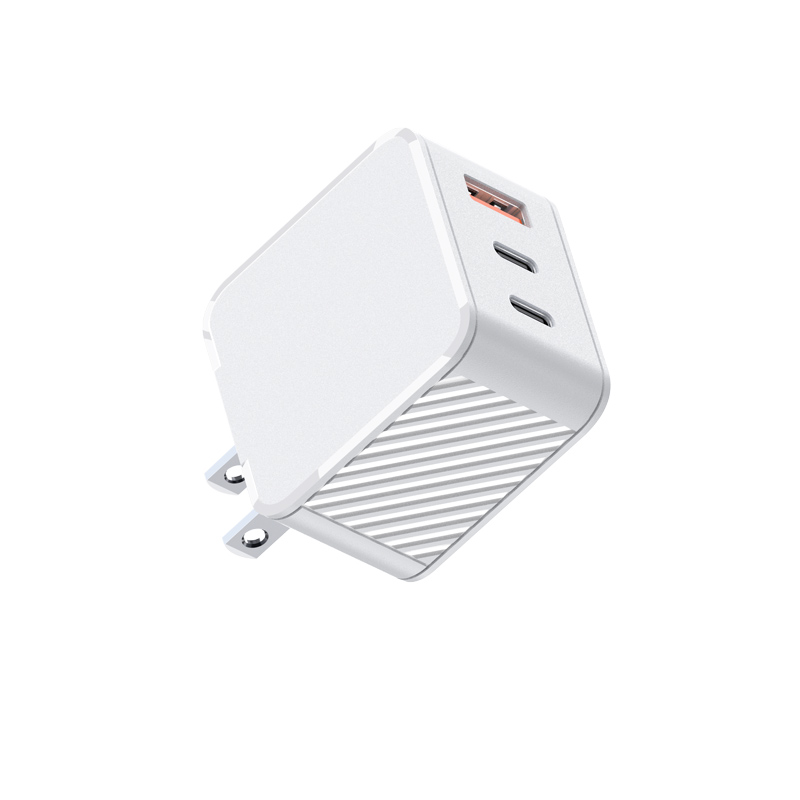
The factory told us they will use a different capacitor and transformer supplier for the next batch because of supply problems. What do we need to do with our compliance documents?
Short answer: First, get the change details in writing: which parts, new suppliers and specifications. Compare them with the safety report’s critical components list. Safety-critical parts such as transformers, capacitors across insulation, fuses, and housing material often need lab assessment, sometimes with tests. Update the report or obtain an amendment, update the technical file, check the DoC, and record which batches contain the new parts.
Why component changes matter
Safety test reports usually include a list of critical components, often with manufacturer, model and ratings. Changing these can affect insulation, temperature, EMC and efficiency. Without assessment, the existing report may not cover the product being shipped.
Change control steps
- Notification: require written notification before any change, in your supply agreement.
- Details: part, new supplier, ratings, certifications of the new part.
- Assessment: compare with the critical components list. If listed, the test lab should assess.
- Testing: the lab may require tests, e.g. temperature rise or dielectric strength for a transformer change, or EMC for changed switching parts.
- Documents: update report or obtain amendment; update technical file.
- Traceability: record batch codes with the new parts.
Which changes need lab review
- Transformers, optocouplers and Y capacitors (insulation).
- Fuses, varistors and protective parts.
- PCB layout or material.
- Housing material.
- Power devices and controllers (may affect EMC and efficiency).
Non-critical parts usually only need a record in the technical file, but ask the lab if unsure.
DoC
If the standards and model stay the same and the report is amended, the DoC may not need changes. If the model identifier or standards change, update it.
Second sources
Good practice is to include approved alternative components in the original report. That gives flexibility during shortages without later amendments.
Samples
Request samples with the new components and compare performance, temperatures and appearance before approving the change.
Firmware changes
Firmware changes in the charger’s controller can affect PD behaviour and EMC. Treat them as changes requiring notification and assessment too.
Records
Keep a change log: date, change, assessment, lab response, documents updated, affected batches. Market surveillance or retailers may ask.
Confirm with Wecent their change notification process and whether reports list alternative components.
Where this answer says confirm with Wecent, the detail is not published on the product page and has to come from the datasheet or the factory. General facts come from the standards bodies, regulators or device makers named in the text.
Three more perspectives
Products discussed in this thread

Related articles & topics
Have a sourcing question about your own programme?
Ask our team More Test reports, labels & documents questions