
Talk · Selection · Wired GaN chargers: wattage, ports & protocols
Does GaN matter for a 20W charger?
At 20W, a well-designed silicon charger can already be small and efficient. GaN's advantages of size and heat show more clearly at 45W and above. For 20W, choose on quality, size, protocols and price rather than the GaN label.
 Wecent Editorial Team
Updated
2 min read
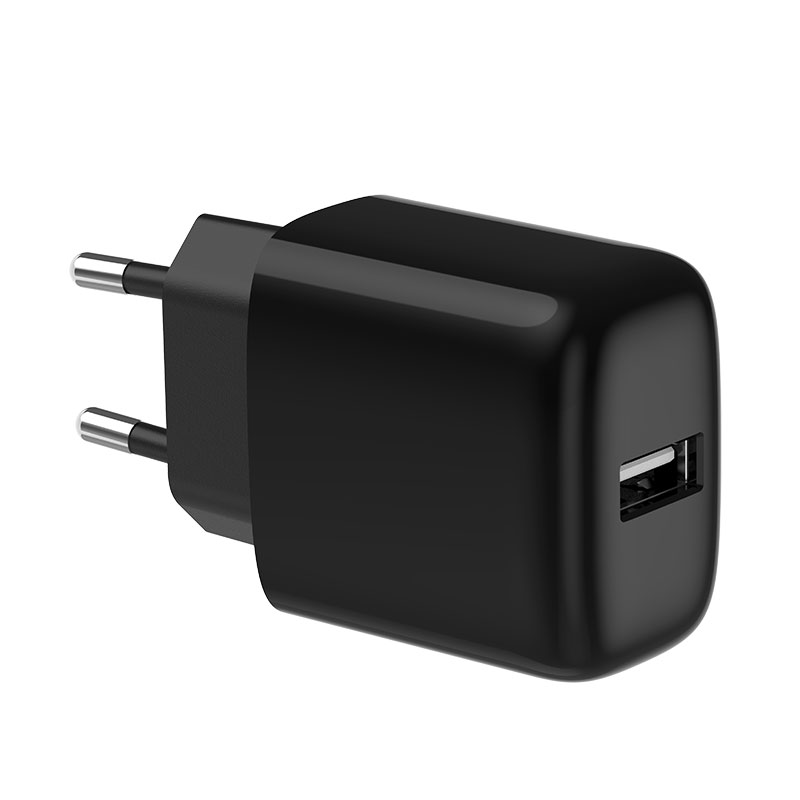
Our range has a 20W charger. Some competitors advertise ’20W GaN’. Should we insist on GaN for our 20W model?
Short answer: Not necessarily. GaN transistors allow higher switching frequencies and lower losses, which shrink chargers most noticeably at higher power. At 20W, silicon designs are already compact and efficient, so GaN brings smaller gains and may add cost. Choose a 20W charger on build quality, size, USB PD and PPS support, safety certification and price. Use ‘GaN’ in marketing only if the charger actually uses GaN components.
What GaN changes
Gallium nitride power transistors switch faster and with lower losses than traditional silicon transistors. That allows smaller transformers and less heat, which is why 65W and 100W GaN chargers can be much smaller than older laptop bricks.
Why the effect is smaller at 20W
A 20W charger handles little power, so silicon designs are already small, and the heat to manage is limited. The size and efficiency improvement from GaN is real but smaller, and the components may cost more.
What matters more at 20W
- Protocol support: USB PD for iPhone fast charging; PPS if Samsung phones are important.
- Size and plug design: foldable pins, compact cube shape.
- Build quality and safety: test reports, materials, protections.
- Efficiency compliance: EU Ecodesign and US DoE requirements.
- Price: 20W is a price-sensitive category.
When GaN at 20W makes sense
- Extremely compact designs where every millimetre matters.
- Range consistency, if your marketing presents the whole range as GaN.
- Premium positioning where buyers look for GaN.
Check claims
If you advertise GaN, ensure the charger uses GaN power devices and keep evidence, such as the bill of materials or the factory’s written confirmation. Confirm with Wecent which models use GaN components.
What customers notice
For a 20W phone charger, users notice charging speed, size and reliability, not the transistor technology. Clear statements like “20W USB-C PD fast charging for iPhone” sell better than technical labels.
Heat in daily use
A 20W charger in normal use gets warm, not hot, whether silicon or GaN. Ventilation and placement affect temperature more than the technology at this power level.
Comparing quotes
When comparing 20W quotes, compare like for like: PD and PPS support, certification status, plug type and packaging. A GaN label shouldn’t hide weaker specifications elsewhere.
Where this answer says confirm with Wecent, the detail is not published on the product page and has to come from the datasheet or the factory. General facts come from the standards bodies, regulators or device makers named in the text.
Three more perspectives
Products discussed in this thread
Related articles & topics
Have a sourcing question about your own programme?
Ask our team More Wired GaN chargers: wattage, ports & protocols questions