
Talk · Maintenance · Stock, warehouse & retail handling
How long can a charger sit on a shelf before it should be rechecked?
Chargers without batteries tolerate storage well if kept dry and cool, but long-stored stock should get a visual and sample function check before sale. Products with batteries need periodic charge checks.
 Wecent Editorial Team
Updated
2 min read
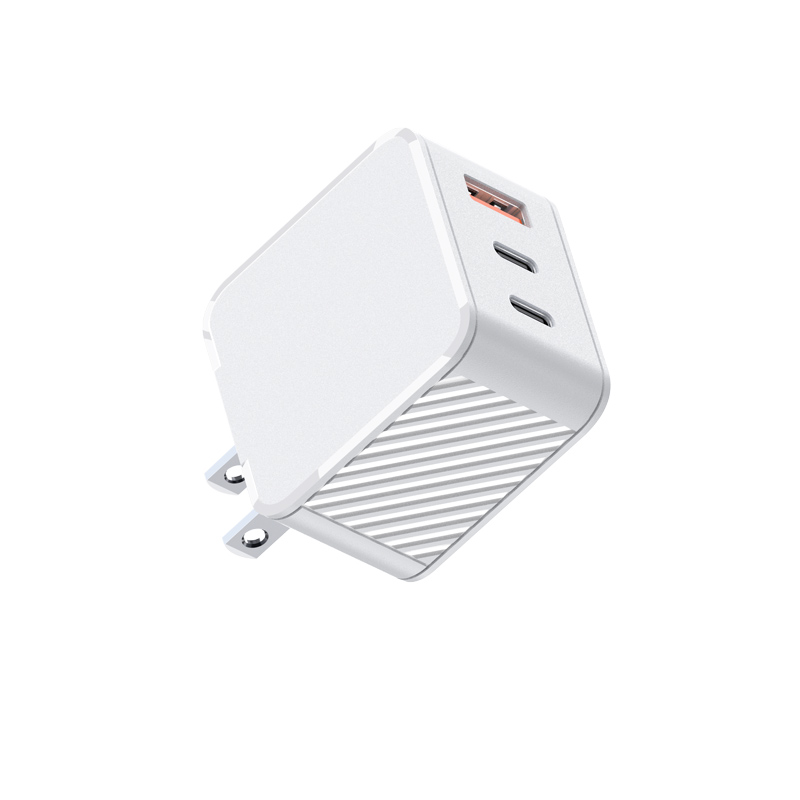
We have chargers that have been in our warehouse for over a year after a slow season. Can we still sell them as new, and what should we check?
Short answer: Mains chargers without batteries don’t have a fixed shelf life, but long storage can bring damp packaging, label damage and outdated documentation. Before selling stock stored for many months, check packaging condition, run a sample function test, and confirm that labels, manuals and compliance documents are still current. Products with batteries, such as power banks, need periodic charge-level checks during storage.
What can change in storage
- Packaging: damp, crushed or faded boxes, weakened seals.
- Product: corrosion on pins if storage was damp, discoloured plastics near light.
- Documentation: changed regulations, updated standards or new labelling requirements since production.
- Batteries: self-discharge in power banks and battery-backed products.
Recheck before sale
- Inspect outer cartons and a sample of retail boxes for damp, mould or crushing.
- Open a sample and inspect pins, ports and housings.
- Function test the sample with known devices on every port.
- For battery products, check charge levels and look for swelling.
- Check that labels, manuals and compliance markings match current requirements for the target market.
If the sample shows problems, extend the check to the whole lot.
Regulatory changes to watch
EU examples include the common charger rules (USB-C requirements and the “charger not included” pictogram for in-scope devices) and GPSR, which applies from 13 December 2024 and requires producer and traceability information. Stock produced before a change may need relabelling. Check the rules for each market.
Selling as new
Units that pass the recheck in unopened packaging are normally still new stock. Units opened for the check should be resealed according to marketplace rules or sold as open box. Keep a record of the recheck results with the batch.
Good storage conditions
- Dry, ventilated, off the floor on pallets.
- Away from direct sunlight and heat sources.
- Stable temperature, avoiding condensation.
- First-in, first-out rotation.
Battery products
Check power bank charge levels periodically and top up if needed. Store away from flammable materials, and follow your warehouse’s fire-safety guidance for lithium batteries.
What we don’t know
Wecent’s product pages don’t state a shelf life. Confirm with Wecent whether they have recommendations for long-term storage or a re-inspection interval for specific models.
Where this answer says confirm with Wecent, the detail is not published on the product page and has to come from the datasheet or the factory. General facts come from the standards bodies, regulators or device makers named in the text.
Three more perspectives
Products discussed in this thread

Related articles & topics
Have a sourcing question about your own programme?
Ask our team More Stock, warehouse & retail handling questions