
Talk · Compliance · Test reports, labels & documents
Who counts as the manufacturer when we sell a private-label charger under our brand?
Under EU rules, if your name or trademark goes on the product, you take on the manufacturer's obligations, even though a factory made it.
 Wecent Editorial Team
Updated
3 min read
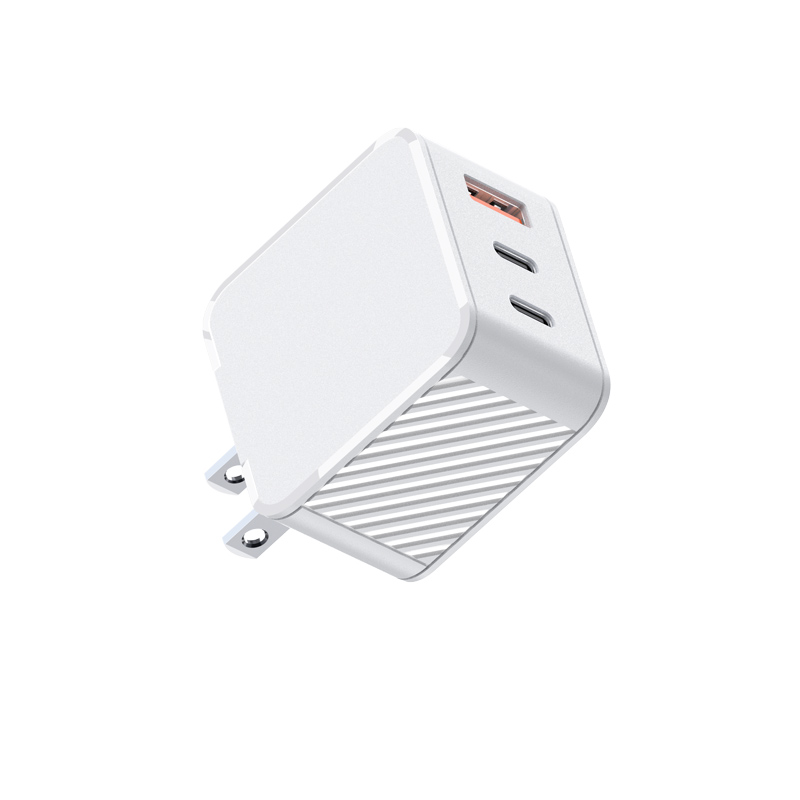
We put our brand on a charger that Wecent makes. Our assumption was that the factory is ‘the manufacturer’ for compliance and we are just the seller. Is that right in the EU?
Short answer: No. Under the EU’s product framework, a business that places a product on the market under its own name or trademark is treated as the manufacturer. You take on the manufacturer’s obligations: conformity assessment, technical documentation, the Declaration of Conformity and marking. The factory still does most of the technical work, but you are the one who is legally responsible.
Where the rule comes from
The New Legislative Framework (Decision 768/2008/EC), which the Low Voltage, EMC and RoHS Directives follow, says that an importer or distributor who places a product on the market under its own name or trademark is considered a manufacturer and has the manufacturer’s obligations. The UK’s equivalent rules work the same way.
What that means in practice
- The Declaration of Conformity is issued in your name, as manufacturer.
- Your name and address appear on the product or packaging as manufacturer.
- You must be able to produce the technical documentation, or have it produced, on request.
- You handle corrective action if there is a problem, including recalls.
How brands usually share the work with the factory
The factory owns the design knowledge, so it normally provides the test reports, technical file content and production controls. The brand gets the right to use those reports, or has the reports issued or updated to show the brand and model name. The supply agreement should cover:
- Which reports and certificates are provided and in whose name.
- Access to the technical file on request, with a deadline.
- Notification before any change to components, layout or suppliers.
- Cooperation in investigations and corrective actions.
Model names and report coverage
Your model number usually differs from the factory’s. Make sure the test reports or certificates list your model as covered, for example as an identical model with a declared difference such as colour and logo only. A report for the factory’s model number alone may not be accepted.
Limits
This is a general explanation, not legal advice. Other markets have their own definitions, for example the US, where an NRTL listing is held by a specific party. Confirm with Wecent which reports can name your brand, and with your adviser what your role is in each market.
Where this answer says confirm with Wecent, the detail is not published on the product page and has to come from the datasheet or the factory. General facts come from the standards bodies, regulators or device makers named in the text.
Three more perspectives
Products discussed in this thread

Related articles & topics
Have a sourcing question about your own programme?
Ask our team More Test reports, labels & documents questions