
Talk · Compliance · Test reports, labels & documents
What should a recall-ready traceability file contain for a charger?
It should let you answer quickly which units are affected, where they are and who has them.
 Wecent Editorial Team
Updated
3 min read
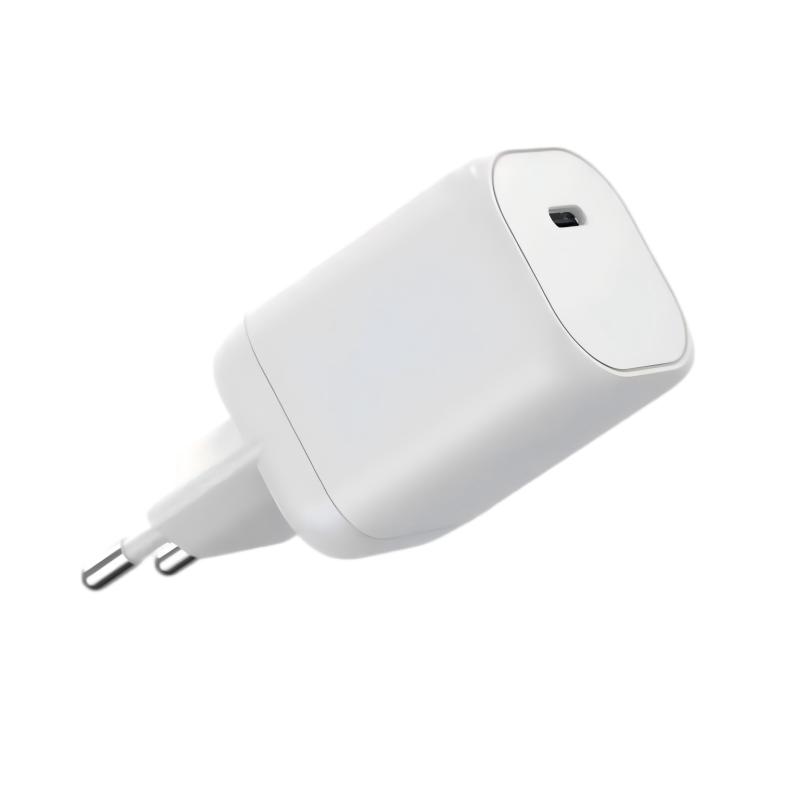
We want to be ready if we ever have to recall a charger. What should our traceability file contain?
Short answer: It should let you answer quickly which units are affected, where they are and who has them. Include model and batch codes, production dates, component lots, test records, shipments and customer lists, complaint records, and contact details for the factory and authorities. Run a mock recall to check that the file works.
Why prepare
In the US, companies that make, import, distribute or sell consumer products have to report certain safety information to the Consumer Product Safety Commission promptly. The CPSC’s guidance also says to identify affected models, date codes and units, stop shipping, isolate inventory, notify distributors and set the remedy. Having a file ready makes each of these steps faster.
What to include
- Product identification. Model numbers, variants, UPC or barcodes, photos and labels.
- Batch and date codes. How each unit or carton is coded, and what the code means.
- Production records. Dates, quantities, factory, line, and test and inspection results for each batch.
- Component traceability. Which lots of critical components went into which batch, such as battery cells in power banks, transformers and controllers.
- Design and change records. Specification versions, approved changes and the dates they took effect.
- Certification documents. Reports, certificates and declarations for each model.
- Shipment records. Which batches were shipped to whom, on what dates, with invoices and packing lists.
- Customer and channel list. Distributors, retailers and marketplaces, with contacts.
- Stock records. What remains in each warehouse, by batch.
- Complaint and incident records. With batch codes, photos and outcomes.
- Communication plan. Who decides, who contacts the authorities, customers and the press, and the templates.
- Remedy options. Refund, replacement or repair, and how returns will be handled.
- Contacts. The factory, the lab, the broker, legal advisers and the insurer.
How to test it
Run a mock recall once a year. Pick a batch, and measure how long it takes to find all units, quantities and customers. Fix the gaps that appear.
Keep it current
Update the file as production and sales continue, and keep records for the period required by the rules and by your own policy.
Canada
Canadian rules have their own reporting duties for consumer products. Check the official guidance from Health Canada as well.
Quick summary
Be able to answer: what, how many, where, who. Test the file with a mock recall.
Sources checked on 24 Oct 2026: CPSC: Recall Guidance; CPSC: Duty to Report; CPSC: Recall Checklist.
Where this answer says to confirm with Wecent, the detail is not published on the product page and has to come from the datasheet or the factory. General facts come from the regulators, standards bodies or device makers named in the text.
Three more perspectives
Products discussed in this thread


Related articles & topics
Have a sourcing question about your own programme?
Ask our team More Test reports, labels & documents questions