
Talk · Compliance · Test reports, labels & documents
What decides how long a safety certification takes, and how can it be planned around?
The time depends on how ready the product and documents are, the lab's queue, the number of tests and standards, whether tests fail and whether a factory inspection is needed.
 Wecent Editorial Team
Updated
2 min read
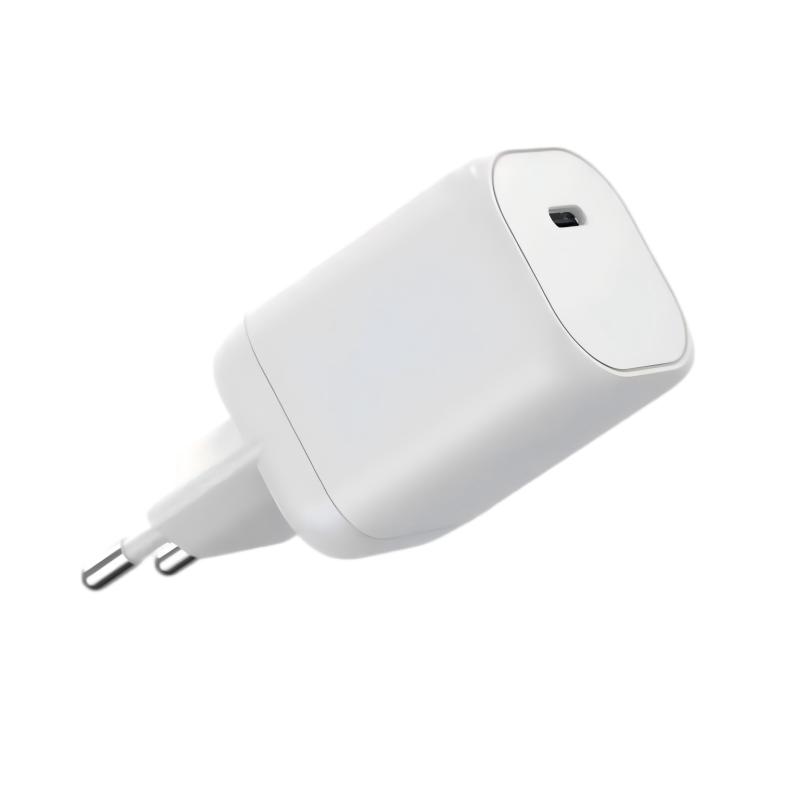
We need our charger certified before launch. What makes certification take longer than expected, and how do we plan for it?
Short answer: The time depends on how ready the product and documents are, the lab’s queue, the number of tests and standards, whether tests fail and whether a factory inspection is needed. Plan by preparing samples and documents early, booking the lab in advance, doing a pre-check, and adding buffers for a retest and for any corrective changes.
What drives the timeline
- Sample readiness. The lab can only start when it has production-intent samples that work.
- Documents. Bill of materials, schematics, labels, manuals and critical-component data must be complete.
- Lab schedule. Busy labs have queues.
- Scope. More standards, variants and markets mean more tests.
- Test length. Some tests, such as thermal and ageing tests, take days or weeks.
- Failures and retests. A failed test means redesign, new samples and retesting.
- Factory inspection. Some schemes need an inspection before the listing is issued.
- Back-and-forth. Questions and missing information slow the process.
How to plan
- Ask the lab early. Request a realistic timeline and a quote, and book the slot.
- Pre-check. Have a pre-compliance review of the design before formal testing.
- Complete the file. Prepare all documents in advance.
- Use critical components that are already approved, where possible.
- Prepare enough samples, including spares.
- Plan for a retest. Add a buffer to the schedule and budget.
- Schedule the factory inspection in parallel, if one is required.
- Keep one contact who answers lab questions quickly.
Common delays
Late samples, missing documents, a design change after the start and a test failure found late.
Communicate
Tell your customers and retailers the date you expect, with a margin. Do not commit to a launch date until the key tests are complete.
After approval
Plan for the time it takes for the listing to appear publicly, and for any labelling changes.
Quick summary
Prepare early, book the lab, pre-check, complete the documents and add a buffer for retests.
Example schedule
Weeks one to two: prepare the documents and samples and book the lab. Weeks three to six: testing. Week seven: report review and questions. Week eight: certificate and listing. Add a buffer of several weeks for a retest. A plan with real dates, shared with the factory, keeps everyone aware of what has to arrive and when.
Where this answer says to confirm with Wecent, the detail is not published on the product page and has to come from the datasheet or the factory. General facts come from the regulators, standards bodies or device makers named in the text.
Three more perspectives
Products discussed in this thread


Related articles & topics
Have a sourcing question about your own programme?
Ask our team More Test reports, labels & documents questions