
Talk · Maintenance · Care, cleaning & lifecycle
How should loose or wobbly folding plugs be assessed?
A small amount of designed play can be normal, but blades that move noticeably when open, fold under load or fail to lock are not acceptable.
 Wecent Editorial Team
Updated
2 min read
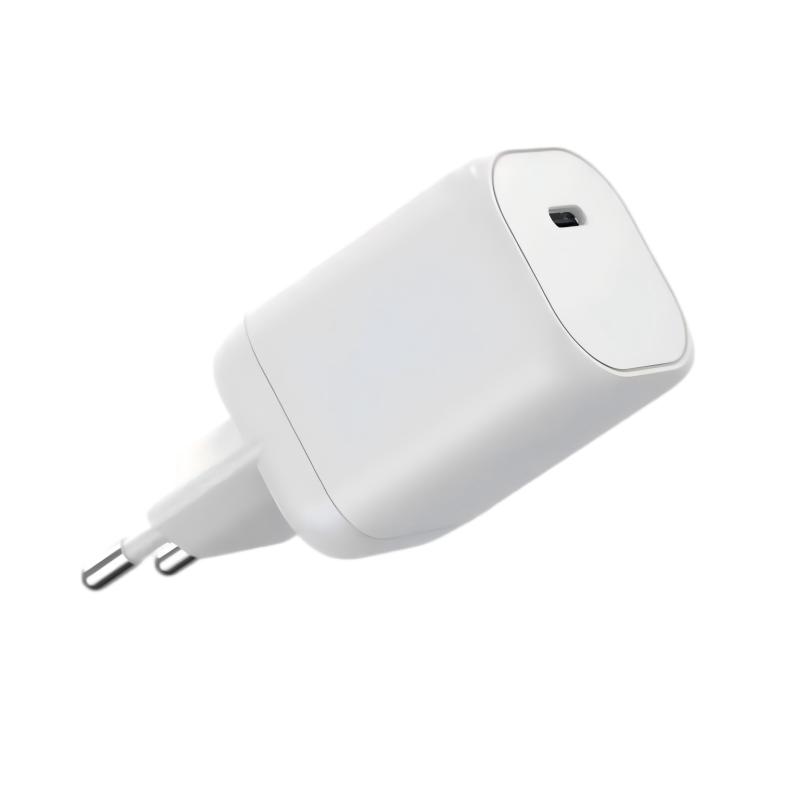
Some of our returned chargers have folding blades that wobble. How do we decide whether the charger is safe, and what is acceptable?
Short answer: A small amount of designed play can be normal, but blades that move noticeably when open, fold under load or fail to lock are not acceptable. Assess each return by checking the lock, the blade movement and signs of heat or damage. Stop using or selling any charger whose blades are loose, bent or discoloured, and look for batch patterns.
What to check on a returned unit
- Lock. Open the blades and check that they click and lock firmly.
- Movement. Wiggle the blades sideways and up and down. Compare with a good unit.
- Alignment. Check that the blades are straight and parallel.
- Signs of heat. Look for discoloured or melted plastic around the blades and burnt marks.
- Socket fit. Plug it into a standard socket and check retention.
- Pull test. Check the force needed to remove it from the socket.
What is normal
Some mechanisms have a tiny amount of play for tolerance. If the charger plugs in firmly and the blades do not move in a socket, this is usually not a concern. Compare with the approved sample.
Not acceptable
- Blades that fold or shift when the charger is pushed into a socket.
- A lock that does not engage.
- Visible gaps or cracks around the mechanism.
- A plug that falls out of a standard socket.
- Any heat damage.
Safety first
A loose blade can make poor contact, which causes heat and arcing. Treat it as a safety issue, not only a cosmetic one. Stop using the charger and replace it.
Find the cause
- Compare date codes and batches.
- Check the hinge material and the spring.
- Review the number of cycles the unit went through.
- Look at the sockets customers use, which may be worn.
Corrective action
Report to the factory, tighten the design or the inspection plan and consider a replacement programme if a batch is affected.
Quick summary
Check the lock, play and signs of heat. Stop using loose units and trace the batch.
Customer message
When you reply to a customer, thank them for the report, ask them to stop using the charger, explain the replacement process and keep the returned unit for investigation. Prompt, calm communication protects both the customer and the brand.
Where this answer says to confirm with Wecent, the detail is not published on the product page and has to come from the datasheet or the factory. General facts come from the regulators, standards bodies or device makers named in the text.
Three more perspectives
Products discussed in this thread


Related articles & topics
Have a sourcing question about your own programme?
Ask our team More Care, cleaning & lifecycle questions