
Talk · Compliance · Test reports, labels & documents
How should a certificate’s scope be kept in step with a design change?
Treat the certificate as a description of one specific design.
 Wecent Editorial Team
Updated
3 min read
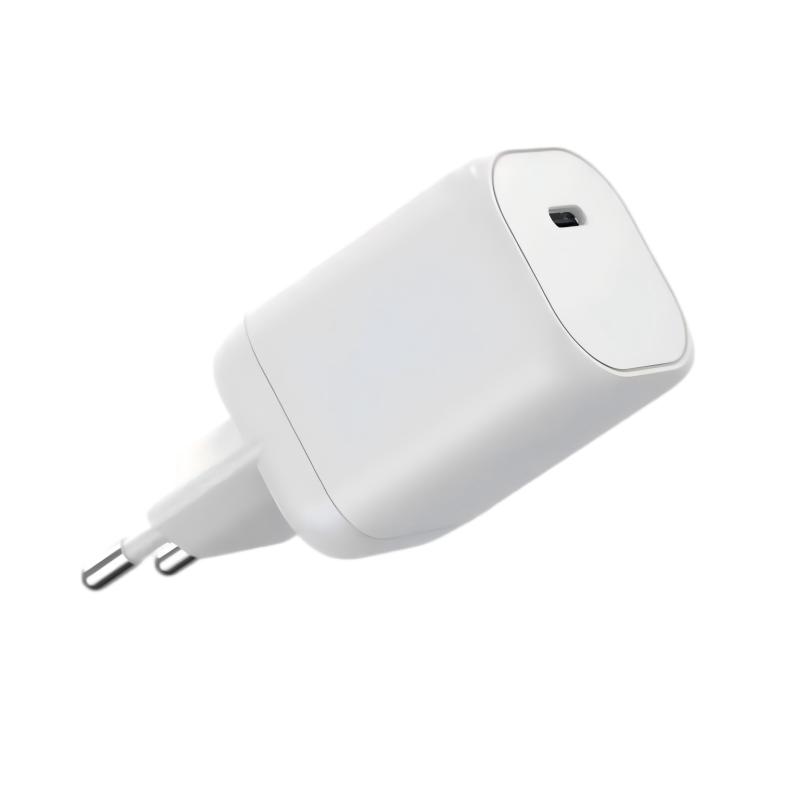
We keep tweaking our certified charger: a new colour, a different supplier for a capacitor, a revised label. How do we make sure the certificate still covers what we actually ship?
Short answer: Treat the certificate as a description of one specific design. Keep a change log, review every change against the certified construction, and tell the certifier before the change goes into production. Small changes are often handled by a short update report, but shipping a changed product under an old certificate can invalidate it.
What a certificate covers
A certificate names a model, its ratings and the construction tested. The accompanying report lists the critical components, materials and dimensions. The scope is the set of products that match that description.
Why drift happens
Factories improve and cut costs, buyers ask for variations, and parts become unavailable. Each small change moves the real product a little further from the tested sample, until one day it no longer matches.
A simple change-control process
- Log every change. Date, reason, what changed and who approved it.
- Classify it. Cosmetic only, parts of no safety relevance, or a change that may affect safety or emissions.
- Check against the report. Compare the change with the critical-component list and material records.
- Ask the certifier. For anything that may matter, ask whether a delta report, a test of specific items or a full retest is needed.
- Wait for approval before the changed product ships under the certificate.
- Update the file. Revise drawings, labels, bill of materials and photos.
Examples
- A new colour of the same plastic may need only material confirmation.
- A replacement capacitor from a listed alternate source is usually simple. An unlisted one needs review.
- A new label with different marks must be checked against the marking rules.
- A different transformer supplier is a safety-relevant change.
What happens when scope lapses
If the product no longer matches the certificate, a retailer audit, a customs question or a field incident may reveal it. The consequences can include stop-sale, rework or recall, and a damaged relationship with the buyer.
Make it a supplier duty
Ask the factory to inform you of any change in parts, materials or process, and make it a contract term. Many changes originate on the factory floor without anyone thinking of the certificate.
Review annually
Once a year, compare the production bill of materials with the report. This finds changes that nobody logged.
Where this answer says to confirm with Wecent, the detail is not published on the product page and has to come from the datasheet or the factory. General facts come from the regulators, standards bodies or device makers named in the text.
Three more perspectives
Products discussed in this thread


Related articles & topics
Have a sourcing question about your own programme?
Ask our team More Test reports, labels & documents questions