
Talk · Compliance · US & Canada rules
When does a charger brand have to report a safety complaint to the CPSC?
Manufacturers, importers, distributors and retailers must report within 24 hours of getting information that reasonably supports a hazard. Waiting until you know the root cause is not an excuse.
 Wecent Editorial Team
Updated
3 min read
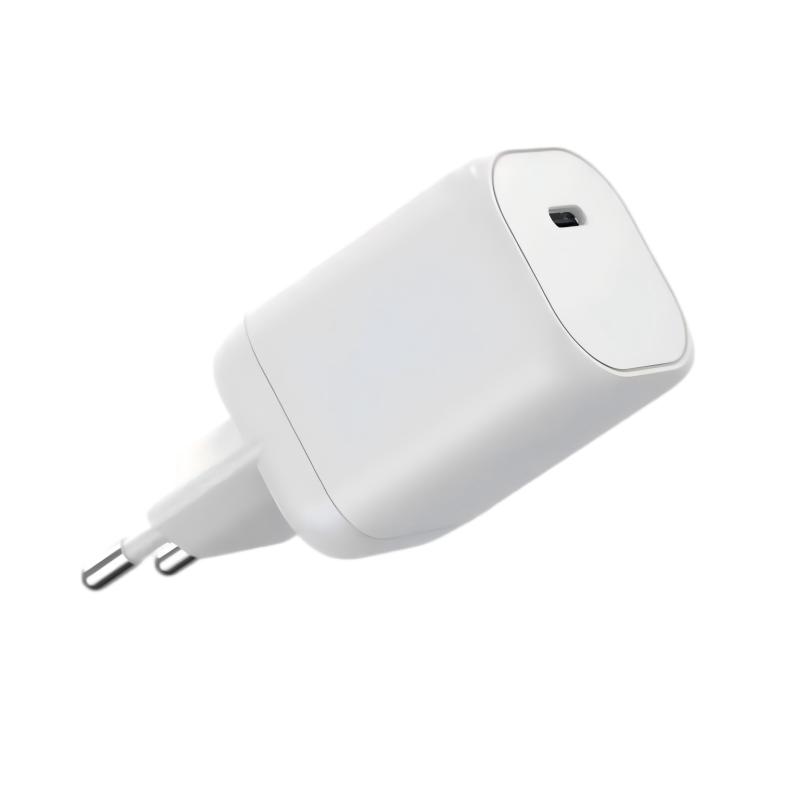
Our after-sales team has received three complaints that a private-label charger smoked or melted at the plug. The factory says it is investigating and will report in a few weeks. As the brand owner and importer in the US, when do we have to tell the CPSC?
Short answer: The duty can start before the factory finishes its investigation. The CPSC says manufacturers (including importers), distributors and retailers must report within 24 hours of obtaining information that reasonably supports the conclusion that a product could create a substantial hazard or an unreasonable risk of serious injury. Its advice is ‘when in doubt, report’. This is general information, not legal advice.
Who has the duty
Under Section 15(b) of the Consumer Product Safety Act, the duty covers manufacturers, which includes importers, distributors and retailers of consumer products. As a US brand owner importing a private-label charger, you are treated as a manufacturer for this purpose. The factory’s investigation does not replace your own duty.
What triggers the duty
The CPSC says a company must report information that reasonably supports the conclusion that a product fails to comply with an applicable safety rule, contains a defect that could create a substantial product hazard, or creates an unreasonable risk of serious injury or death. Its recall handbook adds that a reporting obligation arises even if the firm cannot identify a defect or root cause.
The time limit
The CPSC states that a company must report within 24 hours of obtaining reportable information, and encourages reporting while investigations continue. If a firm is truly uncertain whether information is reportable, it may spend a reasonable time investigating, but the CPSC says that investigation should not exceed 10 working days unless a longer time can be shown to be reasonable.
What counts as information
The handbook lists consumer complaints, warranty returns, insurance claims, lawsuits, production problem reports and product testing as sources a company should monitor. Three reports of the same melted plug from different customers, together with returns showing the same damage, is the kind of pattern that deserves a quick decision.
When you need not report
The CPSC says a company need not report if it has actual knowledge that the CPSC has been adequately informed by another responsible party, and it recommends documenting that. If you are unsure whether the factory or another party has reported, you should report yourself.
What to prepare now
- A single log of complaints, returns and incident photos with batch codes.
- A named person who decides within a day or two whether a pattern is reportable.
- A way to quarantine suspect stock quickly.
- Contact with legal advice before the first incident, not after.
Failure to report fully and immediately can lead to substantial civil or criminal penalties, so build the process before you need it.
Sources checked on 24 Oct 2026: CPSC: Duty to Report to the CPSC; eCFR: 16 CFR 1115.10; CPSC: Product Safety Planning, Reporting and Recall Handbook.
This post is general information about a regulatory process and is not legal advice. For a real incident, get advice from a qualified product-safety lawyer.
Three more perspectives
Products discussed in this thread


Related articles & topics
Have a sourcing question about your own programme?
Ask our team More US & Canada rules questions