
Talk · Purchasing · Samples, tooling & launch
What should we ask about a retractable-cable charger before committing to volume?
Ask about the cable's rating and length, retraction cycle testing, what happens when the cable fails, warranty terms, test reports covering the built-in cable, and return rates from other customers. Then run your own use test on samples.
 Wecent Editorial Team
Updated
2 min read
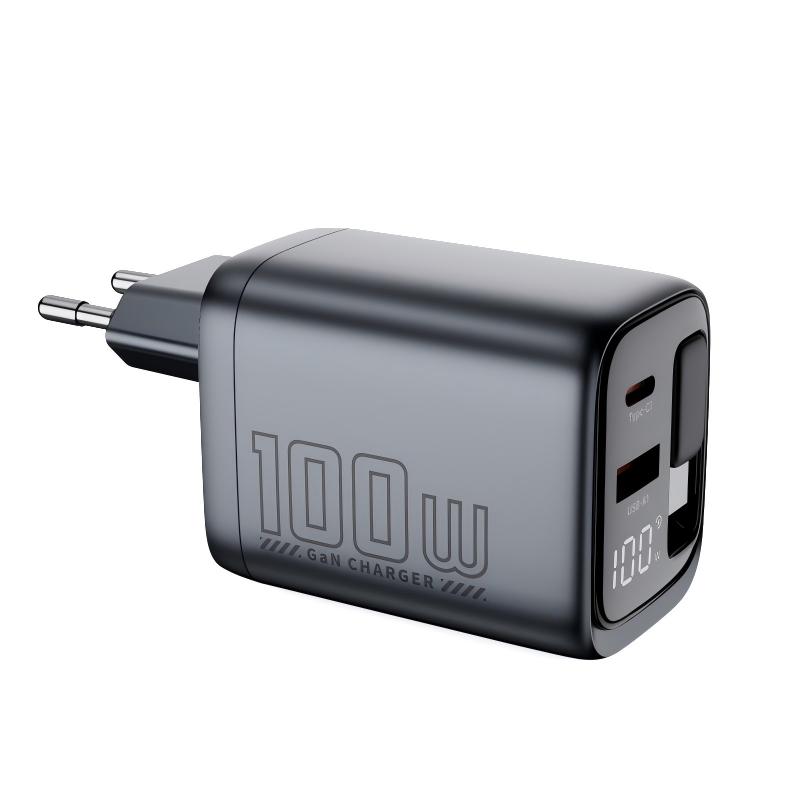
We want to order a larger volume of Wecent’s retractable-cable charger for retail. What should we check before committing?
Short answer: Because the cable is built in, its durability decides the product’s life. Ask for the cable’s current rating, length and conductor details; whether retraction and bend cycles were tested and the results; how the product fails when the cable wears; warranty terms for cable wear; and whether test reports cover the retractable design. Use samples daily for a few weeks before ordering volume, and start with a moderate first order.
Cable specification
Ask for the cable’s rated current, length when fully extended, connector type, and whether it supports fast-charge protocols at the rated power. A built-in cable that limits power can’t be swapped by users.
Retraction and bend testing
Ask whether retraction cycle tests and bend tests at the connector and outlet were performed, how many cycles, and the pass criteria. If no data exists, run your own test on samples: extend and retract a few hundred times and check function.
Failure modes
Ask how the product behaves when the cable or reel wears: does charging become intermittent, does the cable stop retracting, can the cable be pulled out? Safe failure modes matter.
Warranty
Wecent states a 2-year warranty. Clarify whether cable and mechanism wear are covered, and how claims are handled for retail returns.
Documents
Test reports should cover the complete product, including the retractable cable. Ask whether the cable materials are covered by RoHS and REACH evidence.
Market feedback
Ask about return rates or common complaints from other customers. A supplier willing to share this data is a good sign.
Samples in real use
Give samples to a few staff for daily use for several weeks. Real use reveals stiffness, slow retraction or connector wear better than lab tests alone.
First order size
Start with a moderate order to see real return rates before scaling. Wecent’s product pages list an MOQ of 200 pieces.
Listing claims
Avoid claims like “lifetime cable” or specific cycle counts unless backed by data. Describe benefits accurately: tidy, tangle-free, travel-friendly.
Spare parts and service
Because the cable can’t be replaced, a cable failure means replacing the whole unit. Factor this into your warranty cost estimate and spare stock. Ask whether the factory can supply replacement units quickly for warranty swaps.
Packaging
Include clear instructions on pulling and retracting. Good instructions reduce early wear and returns.
Where this answer says confirm with Wecent, the detail is not published on the product page and has to come from the datasheet or the factory. General facts come from the standards bodies, regulators or device makers named in the text.
Three more perspectives
Products discussed in this thread
Related articles & topics
Have a sourcing question about your own programme?
Ask our team More Samples, tooling & launch questions