
Talk · Compliance · Test reports, labels & documents
Which markings must appear on a charger’s rating label?
Electrical ratings, model and maker identification, and the conformity and disposal marks for each market. Keep the label in sync with the test report.
 Wecent Editorial Team
Updated
3 min read
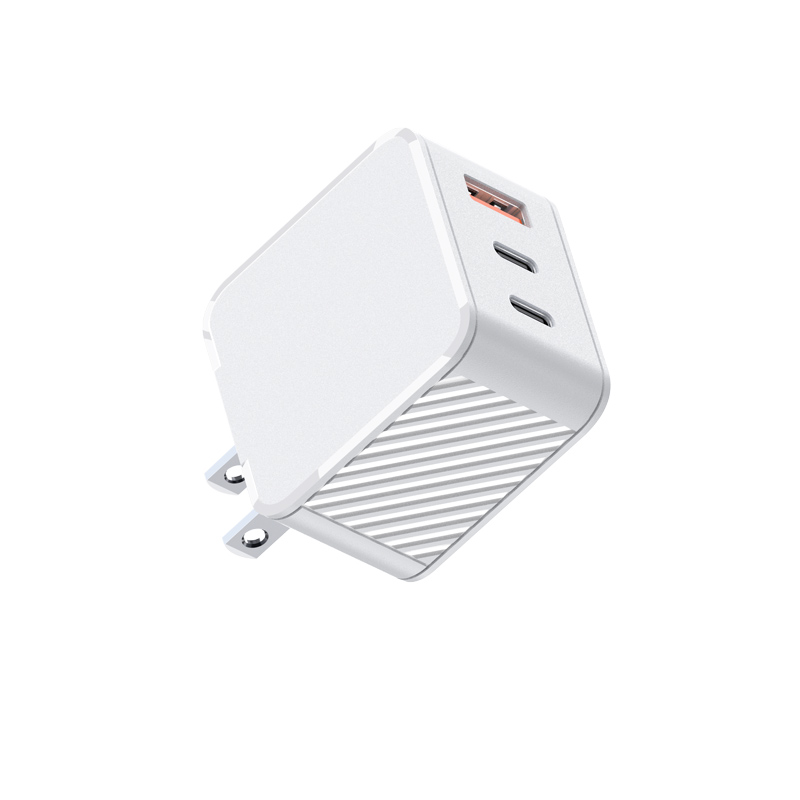
We are preparing label artwork for our branded 65W charger for the EU and UK. Which markings are required, and what tends to go wrong?
Short answer: Expect electrical ratings (input voltage, frequency and current; output voltage and current per profile or a total rating), model identifier, manufacturer and importer identification, the CE or UKCA mark, the WEEE crossed-out bin symbol, and safety symbols the standard requires, such as the indoor-use and Class II symbols where they apply. The final list depends on the product and market, so check it against the test report.
Typical content
- Ratings: input voltage range, frequency and current; output voltages and currents, and the total output power.
- Identification: model number and a batch or date code.
- Manufacturer and importer: name and postal address. These can sometimes go on packaging or documents if space is limited, but check the specific rule.
- Conformity marks: CE for the EU, UKCA (or CE where accepted) for Great Britain.
- WEEE symbol: the crossed-out wheelie bin.
- Safety symbols: those required by the safety standard and report, for example the double-square symbol for Class II construction and the indoor-use symbol.
Ecodesign information
EU Regulation 2019/1782 requires information about external power supplies to be published in manuals and free websites, including efficiency and no-load values. Not all of it goes on the label. Check which parts apply to your product.
What often goes wrong
- Ratings on the label differ from the ratings in the test report.
- Marks are too small to read, or are printed in a colour that disappears on the shell.
- A new logo or a moved text block changes the label after testing.
- The importer address is missing or out of date.
Packaging versus label
Some information can go on the packaging or in the manual when the product is too small, but marks such as CE and the WEEE symbol have their own placement rules. If a mark is moved off the product, record why in the technical file.
A practical process
- Start from the label shown in the test report.
- Add your brand and importer details without changing ratings or symbols.
- Send the artwork to the factory and your compliance adviser for approval, and get a printed sample.
- Check durability: the label should survive a rub test, as safety standards usually require.
For the exact label content in Wecent’s reports, confirm with Wecent.
Where this answer says confirm with Wecent, the detail is not published on the product page and has to come from the datasheet or the factory. General facts come from the standards bodies, regulators or device makers named in the text.
Three more perspectives
Products discussed in this thread


Related articles & topics
Have a sourcing question about your own programme?
Ask our team More Test reports, labels & documents questions