
Talk · Purchasing · Samples, tooling & launch
What should a quote for a custom-colour 65W GaN charger include so we can compare suppliers fairly?
Unit prices only compare fairly when every quote has the same scope: colour, logo, packaging, documents, testing and Incoterm.
 Wecent Editorial Team
Updated
3 min read
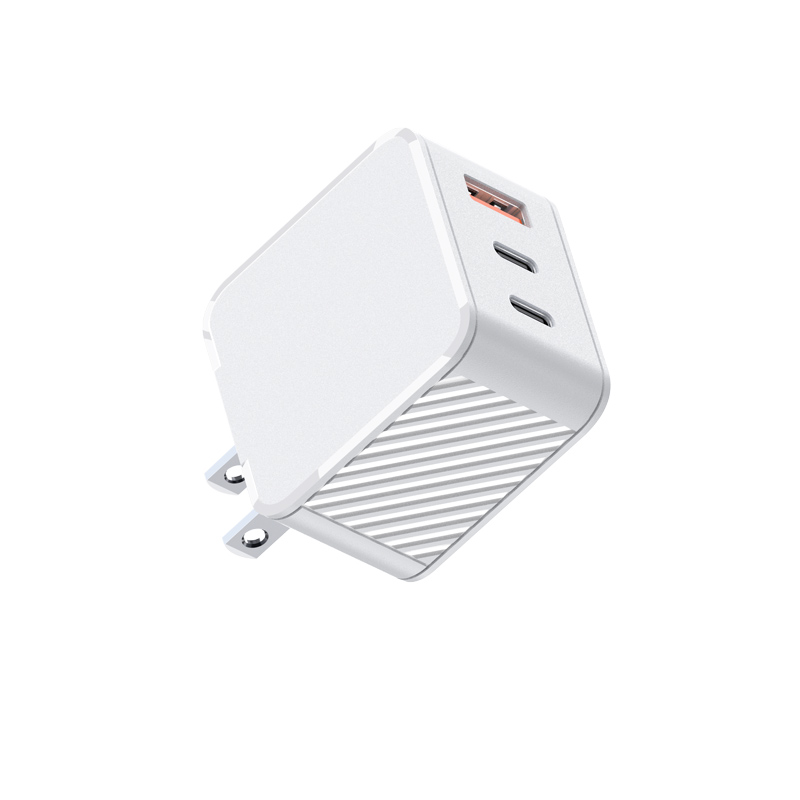
We asked three factories to quote a 65W GaN charger in our brand colour with a printed logo, 500 pieces to start. The unit prices differ by quite a lot, and we suspect the quotes don’t cover the same things. What should a complete quote include?
Short answer: Before you compare prices, make every supplier quote the same scope. The usual differences are colour method, logo process, packaging, which documents are included, sampling and the Incoterm. A quote that leaves one of these out isn’t cheaper. It just leaves that item for later.
Fix the specification first
Send every supplier the same one-page brief: the base model (for example the custom 65W black/white platform or WEP-65-CC), port layout, plug types, shell colour reference (Pantone or a physical swatch), finish (matte or gloss), logo method and position, packaging type, quantity and target market. When the brief is loose, each factory fills the gaps with its own default, and the prices stop being comparable.
Line items a complete quote should show
- Unit price at your quantity, and the quantity breaks at which it changes.
- Colour: whether custom colour means colour-matched plastic or a coating, and any colour set-up charge.
- Logo: the process (pad print, laser, silk screen, in-mould), the number of colours, and any plate or film charges.
- Packaging: the box style, print, inserts, barcode label, manual, and who supplies the artwork.
- Documents: which certification files are included, and whether issuing them under your brand costs extra.
- Samples: sample cost, whether it is credited against the order, and the lead time.
- Production lead time, counted from a named event such as sample sign-off.
- Incoterm (EXW, FOB or another Incoterms 2020 rule) and the named place.
- Payment terms and warranty.
What Wecent publishes, for reference
Wecent’s product pages state OEM/ODM from 200 pieces, samples normally shipped in 2–3 days, mass production 7–15 days after sample sign-off, and a 2-year warranty. Use these as a reference, then confirm them in writing for your exact specification. Custom colours and packaging can change both MOQ and timing.
How to compare once you have the quotes
- Normalise everything to one Incoterm and one quantity.
- Add the one-off charges and spread them over your first order.
- Mark each “not included” item and get a price for it.
- Compare the result, not the headline unit price.
One caution: a lower price can also mean different internal parts. Ask each supplier to confirm that the custom-colour version uses the same electronics as the sample you tested.
Facts cited here come from the named standards bodies, regulators, Apple support documentation and Wecent product pages. Points marked “ask”, “confirm” or “check” are recommendations or open questions to settle with your supplier, not verified specifications.
Three more perspectives
Products discussed in this thread

Related articles & topics
- Charger MOQ: How the Number Is Set and What Lowers It
- Charger Price Per Unit: What to Compare Between Suppliers
- FOB vs EXW for Charger Buyers: The Cost You Do Not See
- Private Label Charger MOQ and Samples: What Sets the Opening Quantity
- Charger Tooling and MOQ Economics: What Really Changes Your Unit Price
Have a sourcing question about your own programme?
Ask our team More Samples, tooling & launch questions