
Talk · Compliance · US & Canada rules
Who must hold a UN 38.3 test summary for a power bank shipped to the US?
US hazmat rules say every manufacturer and later distributor of lithium batteries must make a UN 38.3 test summary available. A general compliance statement is not enough.
 Wecent Editorial Team
Updated
3 min read
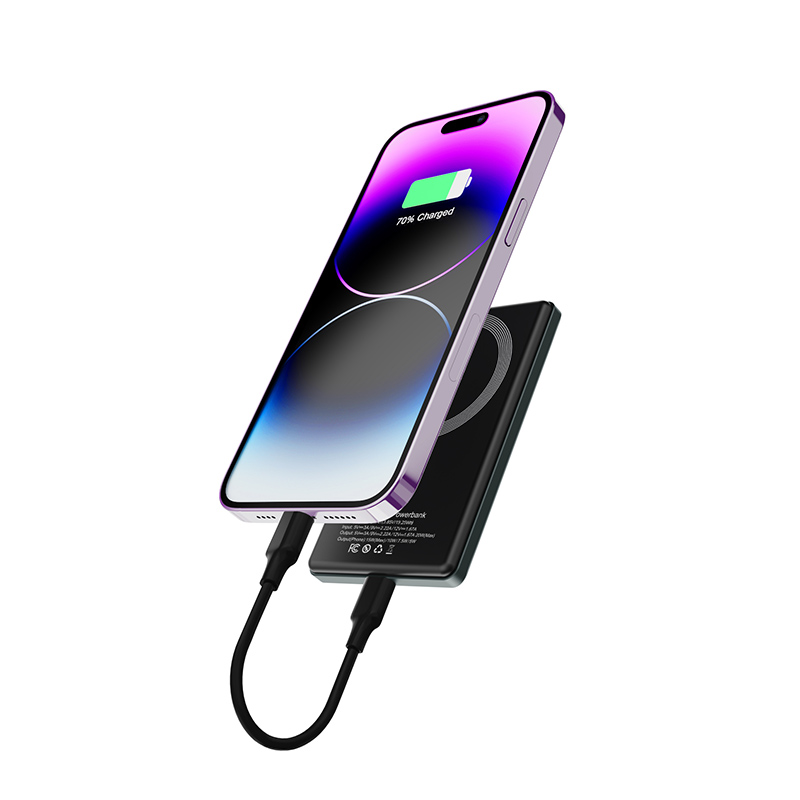
We plan to bring a magnetic power bank into the US under our brand. Our freight forwarder asks for the ‘UN 38.3 report’ before booking. The factory says the battery cell supplier has a certificate. Who has to hold the test summary, and is the cell supplier’s certificate enough?
Short answer: Under US hazmat rules, every manufacturer and each later distributor of lithium cells and batteries made since 2008 must make a UN 38.3 test summary available. That includes you as an importer who sells the product. A cell supplier’s certificate or a general compliance statement is not a substitute for the summary itself, which has defined contents.
What the rule says
Section 173.185(a)(3) of 49 CFR requires that each manufacturer, and each subsequent distributor, of lithium cells or batteries manufactured on or after 1 January 2008 make available a UN 38.3 test summary. The regulation sets out what the summary must contain, including identification and traceability information and the test results. Button cells installed in equipment are an exception.
What “make available” means
PHMSA has said in an interpretation that the summary does not have to travel with the shipment. A publicly accessible document, such as a web page, can meet the requirement to make it available. The practical point for importers is that you need a copy, and you need to be able to produce it quickly when a carrier, forwarder or customer asks.
Why a general statement is not enough
In another interpretation, PHMSA indicated that a distributor cannot rely on a general statement of compliance and must provide the complete test summary. A certificate that says “tested to UN 38.3” without the required content may not satisfy a forwarder or an inspector.
Cell versus finished power bank
The test applies to the battery type. A power bank contains a battery pack made from cells, so you need to ask which test summary covers the pack in your product, and whether the cell supplier’s report covers only the cell. The model name and the design of the pack on the summary should match what you ship.
What to ask the supplier for
- The UN 38.3 test summary for the battery in your power bank.
- The name of the test lab and the date of the test.
- The model of the battery, its rating in watt-hours and its mass.
- Confirmation that the summary matches the final product, not a similar model.
Carriers and airlines
Forwarders and airlines usually ask for the summary and the Wh rating before accepting lithium batteries, whether by air or by sea. Carry the paperwork in the shipment file so a delay in finding it does not delay the freight.
This post covers one US rule. Other shipping documents and carrier rules also apply, and a dangerous-goods specialist should check your specific shipment.
Sources checked on 24 Oct 2026: eCFR: 49 CFR 173.185 Lithium cells and batteries; PHMSA: Transporting lithium batteries; PHMSA interpretation 22-0044.
Where this answer says to confirm with Wecent, the detail is not published on the product page and has to come from the datasheet or the factory. General facts come from the regulators, standards bodies or device makers named in the text.
Three more perspectives
Products discussed in this thread

Related articles & topics
Have a sourcing question about your own programme?
Ask our team More US & Canada rules questions