
Talk · Use · Travel & flying
How should a charger be used on a train, coach or ferry with limited sockets?
Charge before you leave, carry a power bank for the journey and bring one multi-port charger so that one socket can serve all your devices.
 Wecent Editorial Team
Updated
3 min read
I travel by train, coach and ferry, and there are only one or two sockets for many passengers. How do I keep my phone and laptop charged, and what is polite and safe?
Short answer: Charge before you leave, carry a power bank for the journey and bring one multi-port charger so that one socket can serve all your devices. Keep cables tidy and out of the aisle, and be ready to share the socket. A small kit covers most journeys without queuing for an outlet.
Plan before you travel
Start the journey with phone, watch, earbuds and laptop already charged. Top up at the station or terminal if you can, since public areas often have charging points while waiting.
Carry a power bank
A power bank frees you from sockets. Pick one with enough capacity for your longest trip and with a USB-C output for faster charging. Keep it in your hand baggage, and remember that airlines and some operators have rules about power bank size.
Use one multi-port charger
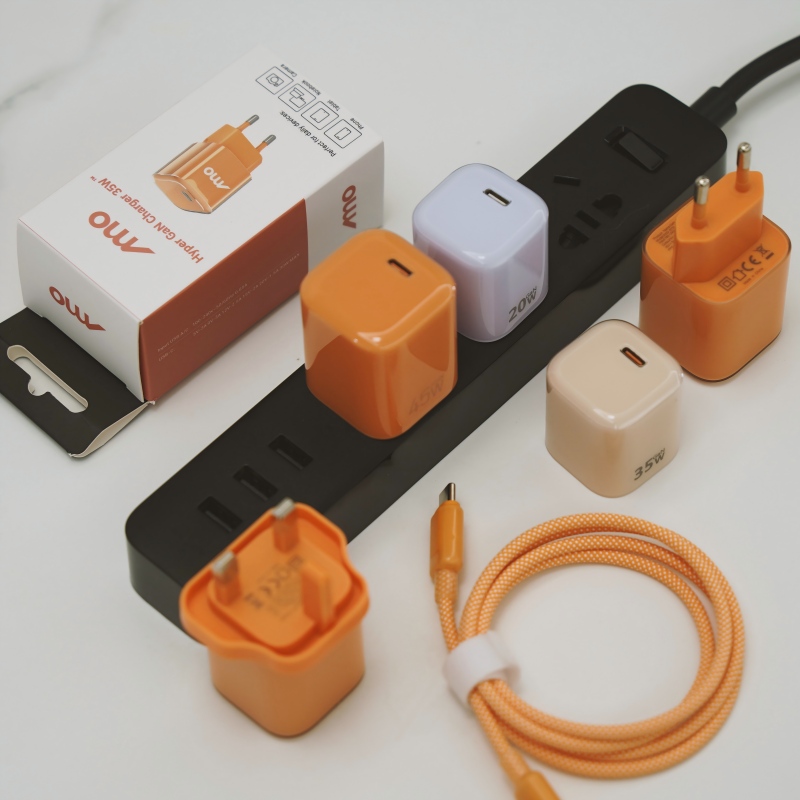
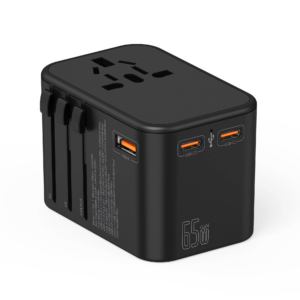
A single wall charger with two or more ports lets several people share one socket, and lets you charge a phone and a laptop together. Check the wattage split between ports, and carry the cables you need rather than a tangle of everything.
Be polite about sockets
- Ask before unplugging someone else’s device.
- Offer to share a multi-port charger and be willing to charge a neighbour’s phone for a few minutes.
- Do not take over a socket for hours if you only need a top-up.
Keep cables safe
- Route cables so nobody trips on them.
- Do not leave devices charging unattended in a busy area where they could be taken.
- Avoid wrapping a cable tight around a hot charger.
- On a moving vehicle, lay devices where they will not slide off and pull the plug.
Ferries and coaches
Some vessels and coaches have USB ports rather than mains sockets, and their power may be limited. Use your own cable and expect slower charging. On older vehicles sockets may be loose, so check that the plug fits firmly.
Tips for fast top-ups
Switch the phone to low-power mode and turn the screen off while charging. A fast charger can add useful charge in a short stop, if the socket supplies enough power.
Keep a small kit
A compact charger, a short cable and a power bank in one pouch is all most travellers need.
Where this answer says to confirm with Wecent, the detail is not published on the product page and has to come from the datasheet or the factory. General facts come from the regulators, standards bodies or device makers named in the text.
Three more perspectives
Products discussed in this thread
Related articles & topics
Have a sourcing question about your own programme?
Ask our team More Travel & flying questions