
Talk · Compliance · Test reports, labels & documents
How can a buyer judge whether a factory’s test equipment is calibrated?
Ask to see calibration certificates and equipment labels for the instruments used in your product's tests, and check that they are in date, traceable to a recognised standard and match the equipment on the line.
 Wecent Editorial Team
Updated
3 min read
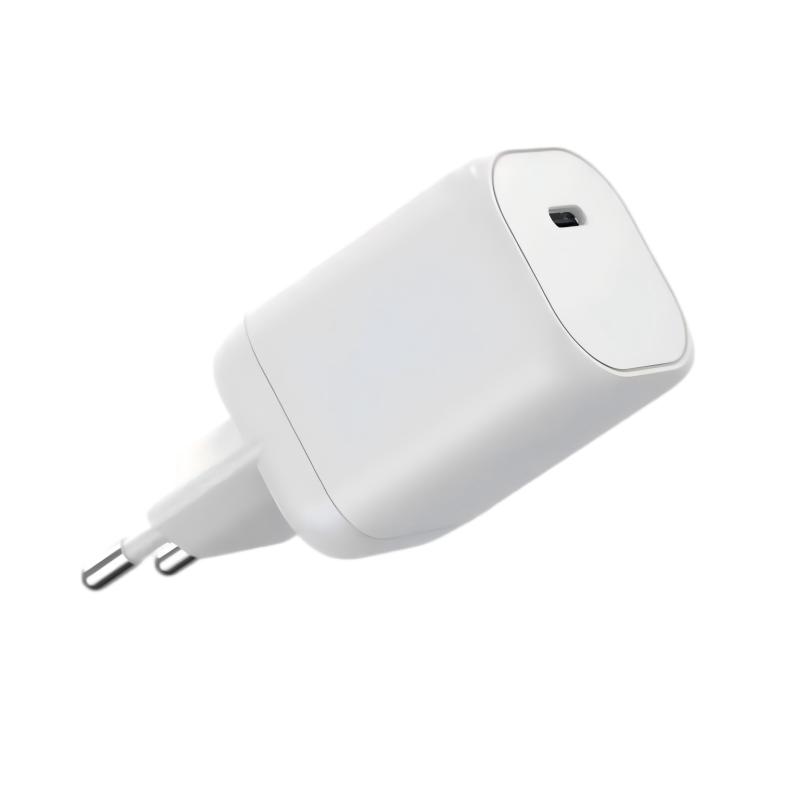
We are about to place a large charger order. The factory says its production tests are accurate. How can we check that its test equipment is properly calibrated?
Short answer: Ask to see calibration certificates and equipment labels for the instruments used in your product’s tests, and check that they are in date, traceable to a recognised standard and match the equipment on the line. Calibration shows that the readings are reliable. Without it, a pass on the factory’s test sheet means little.
Why calibration matters
A factory test only protects you if the instruments read correctly. A power meter, electronic load, hi-pot tester or scale that has drifted can pass bad units or fail good ones. Calibration compares the instrument against a reference of known accuracy and records the result.
What to ask for
- A list of test equipment used for your product, with make, model and serial number.
- Calibration certificates for each item, showing date, result and the next due date.
- The calibration body. An accredited laboratory is stronger evidence than an unaccredited one.
- Calibration procedure and interval. Ask how often each item is checked and why.
- Daily or shift checks. Many factories check instruments with a known reference unit at the start of each shift.
What to look for on a visit
- Labels on each instrument showing the calibration date and the next due date.
- Serial numbers on the label that match the certificates.
- A tag or lock showing that out-of-date equipment is taken out of use.
- Golden sample units used for daily checks, stored safely.
- Records of what happened when a check failed, such as a quarantine of recent production.
Red flags
- Certificates that are old, or from a lab nobody can identify.
- Instruments without labels or serial numbers.
- A ‘calibration’ that the factory did itself without a reference.
- No records of out-of-tolerance findings.
Write it into the agreement
Ask the factory to keep equipment calibrated and to give you copies of certificates on request. Include a right to inspect them during audits.
Cross-check with your own measurements
Take a few units from a lot and measure them at an independent lab or in your own office. Large differences from the factory’s results suggest a calibration problem.
Calibrate your expectations
No factory will have perfect records, and small gaps do not make a supplier unreliable. What matters is that they know their equipment, keep records and fix problems openly. A supplier who welcomes the question is usually a better partner than one who avoids it.
Where this answer says to confirm with Wecent, the detail is not published on the product page and has to come from the datasheet or the factory. General facts come from the regulators, standards bodies or device makers named in the text.
Three more perspectives
Products discussed in this thread


Related articles & topics
Have a sourcing question about your own programme?
Ask our team More Test reports, labels & documents questions