
The brand launched on a white label charger, the first season sold well, and the second order arrived with a different finish because the factory had changed the moulding supplier. Nothing in the agreement prevented it. The product carried the brand’s logo and packaging, but the design, the tooling and the specification belonged to the factory – and that is the boundary the white label model draws, whether or not it is written down.
This guide is part of our OEM & ODM Charger Programmes. Read the full topic guide for the decisions that come before and after this step.
White label charger: the three models and the variables that separate them
White label, private label and OEM differ on five variables.
Who owns the design, whether exclusivity is available, what the opening quantity is, how much tooling the brand pays for, and how much of the specification the brand controls. Those five variables, not the unit price, determine what the brand can change later and what it cannot.
The reason the distinction matters commercially is that the models differ in risk rather than in quality. A white label product is a proven design with the factory’s tooling and reports behind it, which is why it opens at the lowest quantity. The trade is that the brand cannot promise its customers a specification that only it sells, and it depends on the factory’s change-notification process to keep the product stable.
| Variable | White label | Private label | OEM |
|---|---|---|---|
| Design ownership | Factory | Factory, with agreed specification | Brand or shared |
| Exclusivity | Rare | Negotiable by market | Negotiable, often by tooling |
| Opening quantity | Lowest | Low to moderate | Set by tooling |
| Tooling paid by brand | None, or packaging plates | Packaging and sometimes insert | Often the mould |
| Specification control | Minimal | Within the platform | Full within the design |
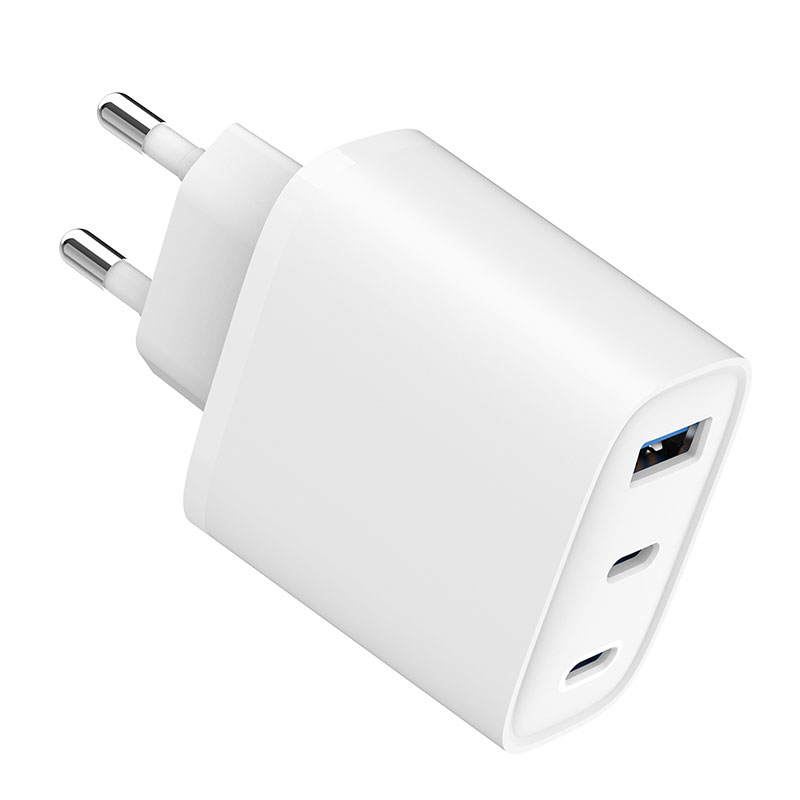
What the white label model includes
A white label programme should state the platform, the colour and finish options, the logo method, the label content, the packaging and the accessories.
It should also state what is not included: exclusivity, design ownership, and the right to change the electrical specification. Buyers who need any of those three should be discussing private label or OEM instead, because asking for them inside a white label programme produces a different commercial structure rather than a variation.
Where the model stops: change control
Because the brand does not own the design, the protection comes from documents rather than from ownership.
The specification, the approved sample and the change-notification process are the three artefacts that keep a white label product stable across orders. Ask which components and which cosmetic elements are treated as controlled, who approves a change, and how the customer is informed. Where the answer is verbal, the finish can change between orders without the brand knowing until the shipment arrives.
Certification and labelling in a white label programme
The platform’s reports stay with the factory; the brand adds its own label and importer details.
Wecent Group prepares certification groundwork for CE, FCC, RoHS, PSE and KC and confirms the current status per model. Ask which markets the platform covers, what the label must state in each, and what a new market would require. A white label product still needs correct labelling for every destination, and the model designation on the label has to match the certified file.
When to move up to private label or OEM
Move up when the specification becomes the reason to buy, when exclusivity is required, or when the volume makes tooling pay back.
A common sequence is to launch on a white label platform to prove the channel, then move the best-selling SKU to a private label specification, and finally to a custom form once the volume supports the mould. The transition is easier when the follow-on product shares the port layout and plug strategy, because the packaging and the channel documentation change less.
How to compare two white label offers
Compare the platform, what the price includes, the available finish options and the change-control process.
White label offers differ less in the product than in what the quotation covers, so a line-by-line comparison is more useful than a unit-price comparison. Ask whether the packaging plates are reusable, whether the platform is shared, and what the second order will be priced against. The answers describe the relationship more accurately than the first invoice does.

Where the white label model stops being the right one
The model stops paying when the brand’s requirement diverges from what the platform already is. A different enclosure, a different port layout or a different thermal position is no longer a label change; it is a design change wearing a white label name.
It also stops paying when the volume is large enough to amortise tooling. At that point the unit price of a light OEM programme can fall below the white label price, because the tooling is spread across the order rather than excluded from it.
The practical test is the number of differences between the platform and the intended product. One or two are compatible with the model; five or six describe a new product that happens to start from an existing one.
FAQ
Is a white label charger cheaper than OEM?
At low volume, usually. There is no tooling to recover, and the reports already exist. At high volume the calculation changes, because a platform or OEM programme can amortise tooling. The crossover is usually decided by the tooling: where the volume can absorb a die and a print set, the OEM route becomes cheaper, and where it cannot, the white label route stays ahead.
Can we get exclusivity on a white label platform?
Sometimes, linked to volume or a territory. Exclusivity is a commercial agreement rather than a feature of the model, and it should be written with a period and conditions. Write the period, the territory and the volume threshold into the agreement, and state what happens to the exclusivity if the agreed volume is not reached within the period. and name the remedy if the volume milestone is missed.
What is the minimum order?
The lowest of the three models, because the tooling already exists. A branded run can open at 200 pieces per model where the platform allows. The minimum is set by the packaging and the label rather than by the electronics, so a range offered in several finishes usually opens at a different quantity per model. so the opening quantity is quoted per finish rather than per platform.
Can we change the finish later?
Within the platform’s available options, usually yes, with a new sample. A finish that requires a new texture may require a tool change. Ask whether the finish is a paint option inside the existing tool or a texture that has to be cut into the mould, because only the second reopens the tooling and the sample cycle. A paint option is usually a sample cycle; a texture is a tool change.
What protects us if the supplier changes something?
The specification, the approved sample and a written change-notification process. Without the third, the first two can be overtaken between orders. Ask for the notification in writing with a defined notice period, and name the items it covers: the enclosure, the components on the approved list and the firmware version. and require the notification before the changed part is used, not after the first shipment containing it.
Next step
Send your target tier, markets and branding requirement to Wecent Group through the contact page. The reply states whether white label, private label or OEM fits the programme, with the platform, MOQ and sample timing. Related reading: OEM/ODM manufacturing, wholesale chargers and quality control. External references: USB-IF documentation, IEC standards, EU CE marking, FCC equipment authorisation, ISO 9001 and ICC Incoterms.