
Two OEM power adapter programmes reach the same output specification by different routes. The first applies the brand to an existing certified platform: artwork, a label, a retail box and a production slot. The second commissions a new enclosure because the industrial design calls for a slimmer body. Both are legitimate; the first can ship in weeks at an opening quantity of 200 pieces, the second carries a mould, sample loops and a test submission that push the calendar into the following quarter. The route decision is therefore the first commercial decision in the programme, not a detail of it.
This guide is part of our OEM & ODM Charger Programmes. Read the full topic guide for the decisions that come before and after this step.
OEM power adapter: the three routes and what each one commits you to
Three routes cover almost every OEM adapter programme.
Re-badge an existing certified platform, re-specify the configuration inside the tested envelope, or co-develop a new form or electrical design. The route fixes the tooling, the opening quantity, the certification work and the schedule, and it should be chosen before the specification is finalised because it determines which specifications are affordable.
The distinction that matters commercially is where the fixed cost sits. Re-badging concentrates it in artwork and print plates, which are small and reusable. Re-specification concentrates it in engineering and documentation. Co-development concentrates it in tooling and testing, which are large, one-off and largely unrecoverable if the programme changes direction.
| Route | What changes | Opening quantity | Certification | Schedule driver |
|---|---|---|---|---|
| Re-badge | Logo, label, colour, packaging | From 200 pcs per model | Existing reports, updated file | Artwork approval and production slot |
| Re-specification | Output, connector, cable within tested limits | Depends on the change | Documentation update, possible review | Sample verification |
| Co-development | Enclosure, topology, output range | Set by tooling economics | New test programme | Design freeze and tooling loops |
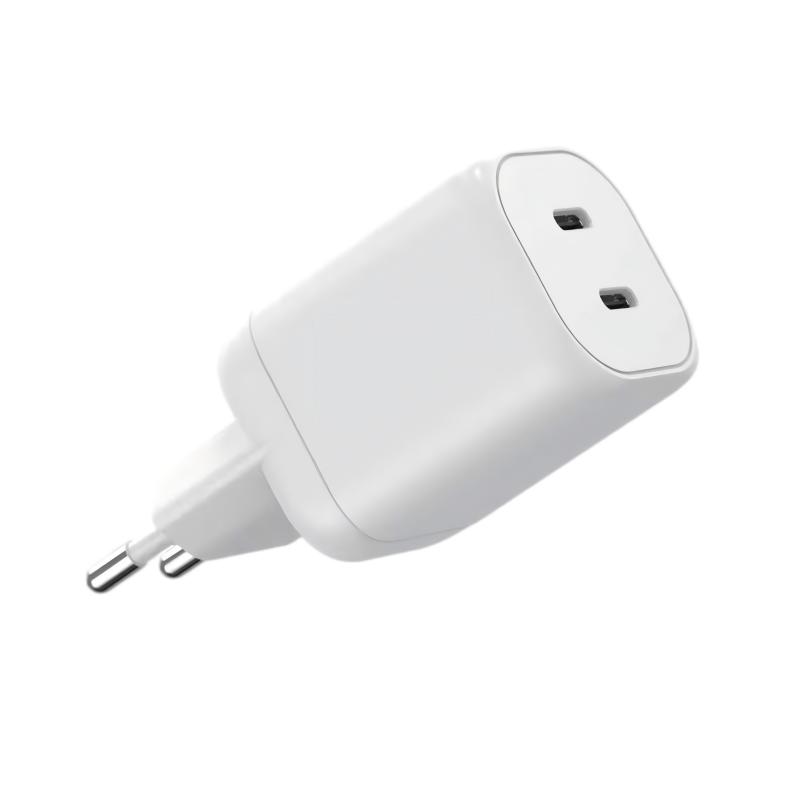
Decision 1: does your requirement fit an existing platform?
Ask which platforms already cover the output, the connector and the market list before discussing the enclosure.
A platform fixes the topology, the connector options, the plug kit and the reports. Where the requirement fits inside it, the programme is a re-badge with a documentation update and a short schedule. Where it does not, the next question is how far outside it sits, because a small excursion can often be resolved by re-specification while a large one cannot.
Decision 2: does the change stay inside the tested envelope?
The tested envelope is the set of configurations already covered by the platform’s reports and thermal verification.
Connector and cable changes can often stay inside it; a different output rating, a different input stage or a different internal layout usually does not. Ask the factory to state, in writing, which of your requested changes are covered and which would require a review or a new submission. That single answer converts an uncertain schedule into a dated plan, and it prevents the common situation where the artwork is approved before the engineering scope is understood.
Decision 3: do you need a new form?
A new enclosure is justified when the form is the reason to buy, when the volume can amortise the tooling, or when the specification needs a layout no platform provides.
If none of those three is true, the platform route reaches the market sooner and cheaper, and the differentiation is delivered through colour, finish, packaging and bundling instead. Where a new form is required, the programme becomes a development project with a design freeze, tooling loops, sample gates and a test submission, and the opening quantity is set by the tooling rather than by the customer.
What each route means for packaging and artwork
Packaging is the cheapest differentiator and the easiest place to create operational complexity.
A re-badge carries the artwork, the print plates and the language versions; a re-specification may change the accessory content and therefore the insert; a co-development usually changes the carton dimensions as well, which affects the pallet pattern and the container loading. In every route the packaging should be planned against the full market list at the start, because a reprint before the order is cheap and a reprint after the cartons are printed is not.
What to fix in the purchase order
The purchase order should name the route explicitly.
State the platform or the design revision, the output and connector specification, the packaging route and artwork revision, the certification scope, the MOQ, the lead time from order confirmation and the Incoterm. Reference the approved sample, because it is the only artefact that decides a dispute about conformity later. Where the route is not named, a later request for a change will be interpreted as a new programme rather than a variation.
Verification before the order
Confirm three things: which reports exist for the platform, whether the model on the report matches the product you are buying, and how the production test covers the parameters your specification states.
Wecent Group prepares certification groundwork for CE, FCC, RoHS, PSE and KC and confirms the current status per model. Ask also for the change-notification process, because on a platform route the design is maintained by the factory and the brand’s protection comes from documents rather than from design files.

FAQ
Can an OEM adapter keep the existing certification?
Where the electrical design and safety-critical parts are unchanged, the branded version is covered by the existing reports with an updated label and technical file. A different output, connector or internal layout changes that answer. Where the electrical design and safety-critical parts are unchanged, the branded version is covered by the existing reports, with an updated label and technical file to match.
What is the minimum order for a branded OEM adapter?
From 200 pieces per model on an existing platform. A new enclosure carries tooling and a higher economic minimum. The minimum on an existing platform is set by the packaging print rather than by the electronics, while a new enclosure carries tooling and a higher economic minimum set by the moulding economics of the die rather than by the order.
How long does each route take?
A re-badge is driven by artwork approval and the production slot; a re-specification by sample verification; a co-development by the design freeze and tooling loops. The calendar should be planned backwards from the shipment date. Plan the calendar backwards from the shipment date, because a re-badge is driven by artwork approval and a co-development by the design freeze and the tooling loops.
Who owns the tooling in a co-development programme?
That is negotiated. The agreement should state ownership of the tool and the design files, the exclusivity terms and what happens to the tool if the programme ends. State the ownership of the tool and the design files, the exclusivity terms and what happens to the tool if the programme ends, because all four are negotiated rather than implied by default.
Next step
Send the output specification, connector, markets and expected volume to Wecent Group through the contact page. The reply states which route fits, the tooling position, the MOQ, the certification scope and the sample timing. Related reading: OEM/ODM manufacturing, quality control and wholesale chargers. External references: IEC standards, EU CE marking, FCC equipment authorisation, EU RoHS directive, ECHA REACH and ISO 9001.