
Talk · Purchasing · Orders, pricing & payment terms
How do we compare cost per watt across a 33W, 65W and 100W charger line?
Dividing price by watts is a useful first look, but it misleads on its own.
 Wecent Editorial Team
Updated
2 min read
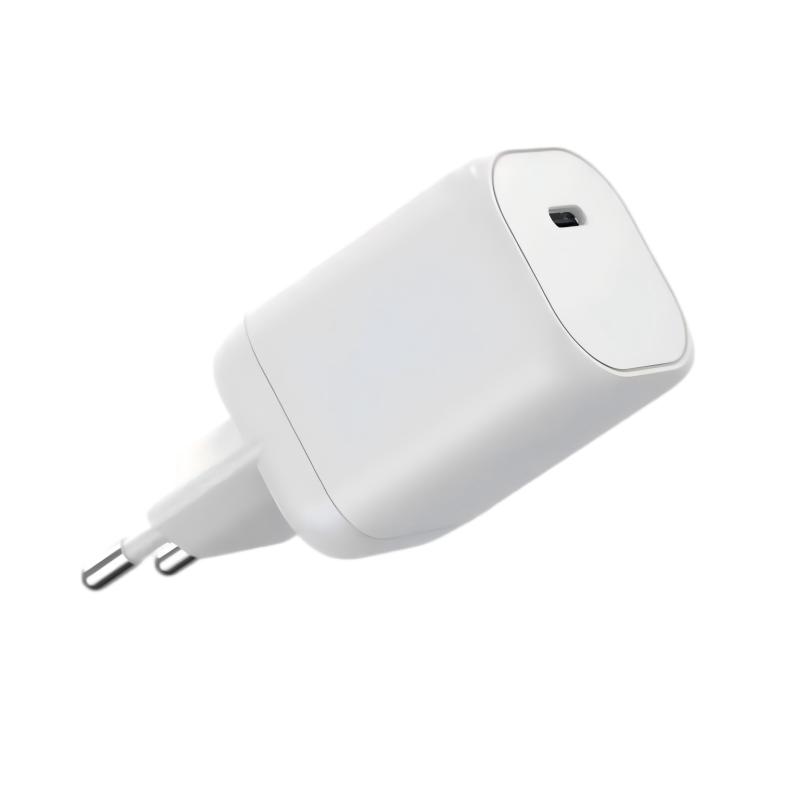
Our supplier’s quotes for 33W, 65W and 100W chargers have different prices. How do we compare them fairly?
Short answer: Dividing price by watts is a useful first look, but it misleads on its own. Higher-power chargers usually cost less per watt, yet they also add ports, parts, cooling and certification. Compare cost per watt together with cost per feature, margin, retail price and expected sales, and compare landed cost, not only factory price.
What cost per watt shows
It tells you how much you pay for each unit of power. Usually it falls as power rises, because a single housing, plug and board cover more watts.
Where it misleads
- Different ports. A 100W charger with three ports is not the same as a 100W single-port one.
- Different parts. GaN, controllers and cooling differ.
- Certification. Higher power can need more tests.
- Packaging and cable. Quotes may include different items.
- Demand. A cheap per-watt charger that does not sell is not a bargain.
A better comparison
- Put all quotes on the same terms: Incoterm, packaging, cable and certificates.
- Calculate the landed cost for each, including freight and duty.
- Compute cost per watt, and also cost per port and cost per unit.
- Compare with the retail price, to see margin per unit and per watt.
- Add estimated sales volume for each, to see total profit.
Look at the ladder
A good range has clear steps. If the 65W costs only a little more than the 33W, customers will skip the smaller one. If the jump to 100W is large, many will stop at 65W.
Retail price points
Match the range to the price points customers expect, and check the margin at each. A neat cost-per-watt number does not help if the retail price does not fit the shelf.
Costs outside the quote
Include returns, warranty, certification and sample costs. A cheaper charger with higher returns costs more.
Quick summary
Use cost per watt as a screen, then compare landed cost, margin and sales for each model.
Example layout
Build a table with one row per model and columns for landed cost, retail price, margin per unit, cost per watt and expected volume. Seeing the numbers side by side shows quickly which model deserves the best shelf space and which should be dropped from the range.
Where this answer says to confirm with Wecent, the detail is not published on the product page and has to come from the datasheet or the factory. General facts come from the regulators, standards bodies or device makers named in the text.
Three more perspectives
Products discussed in this thread


Related articles & topics
Have a sourcing question about your own programme?
Ask our team More Orders, pricing & payment terms questions