
Talk · Compliance · US & Canada rules
Do chargers sold in California need a Proposition 65 warning?
Prop 65 requires a clear and reasonable warning when a product exposes Californians to listed chemicals above safe-harbour levels, unless an exemption applies. Whether a charger needs one depends on its materials and exposures, so it is a product-by-product decision.
 Wecent Editorial Team
Updated
3 min read
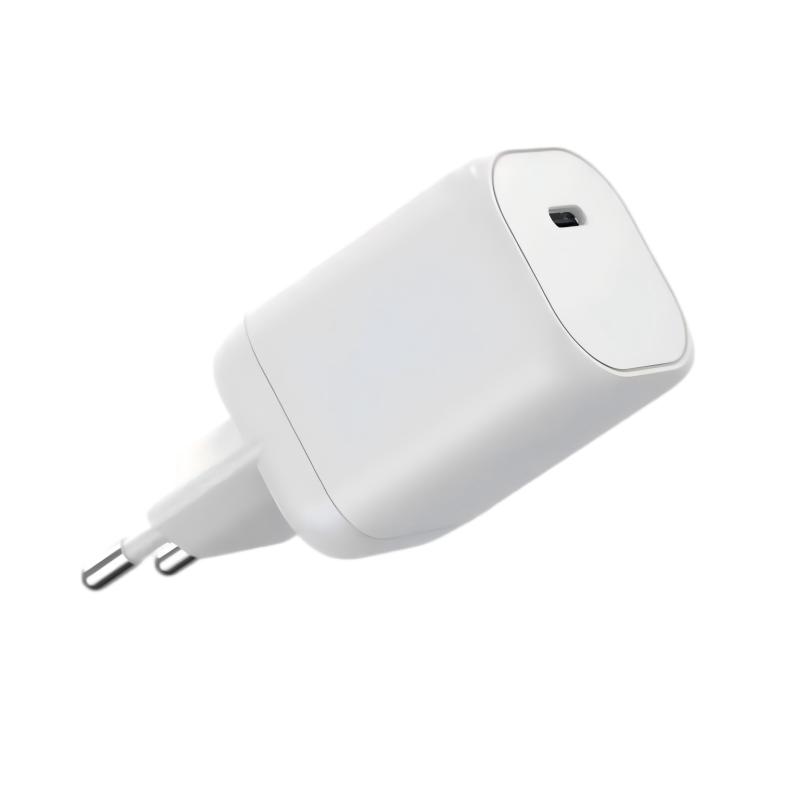
We are starting to sell chargers in the US, including California. Do we need a Proposition 65 warning on the packaging?
Short answer: Possibly. California’s Proposition 65 requires businesses to give a ‘clear and reasonable’ warning before exposing people in California to chemicals on the state’s Prop 65 list, unless exposure is below specified levels or another exemption applies. Businesses with fewer than 10 employees are exempt. Cable jackets and plastics can contain listed substances such as some phthalates or lead, so ask Wecent for material declarations or test reports and decide per product. The official guidance is on OEHHA’s website.
What Prop 65 is
Proposition 65 is a California law. The state publishes a list of chemicals known to cause cancer or reproductive harm. Businesses must give a clear and reasonable warning before knowingly and intentionally exposing someone in California to a listed chemical, unless the exposure is low enough to fall under the law’s thresholds or another exemption applies. The regulations are managed by OEHHA, the Office of Environmental Health Hazard Assessment.
Why chargers and cables come up
Enforcement actions have often involved consumer products with plastics or cable jackets. Some phthalates used as plasticisers, and lead in some materials, are on the list. Whether a particular charger causes an exposure depends on its materials and how people handle it. That is why the answer is product by product, not a general yes or no.
What the warning looks like
OEHHA’s regulations describe safe-harbour warning content, including a yellow triangle symbol, the word “WARNING”, the name of at least one listed chemical in the full-length version, and the website address. A short-form version is allowed on products under conditions set by the regulations; since 2025 OEHHA requires the short form to name at least one chemical as well, with a transition period for older labels. Check OEHHA’s current rules before printing, as details change.
How to decide
Ask the supplier for material declarations and, where available, test reports for listed substances in the plastics and cables. Many importers decide with a compliance adviser whether a warning is needed. Some add a warning as a precaution; others avoid it by choosing compliant materials. Either way, keep your reasoning documented.
Who is responsible
The law places duties along the supply chain, and online sellers to California customers are included. Agreements with retailers often specify who provides warnings. The exemption for businesses with fewer than 10 employees applies to that business, not to everyone in the chain.
Confirm with Wecent which material and substance test data is available for each model; this is not legal advice.
Where this answer says confirm with Wecent, the detail is not published on the product page and has to come from the datasheet or the factory. General facts come from the standards bodies, regulators or device makers named in the text.
Three more perspectives
Products discussed in this thread

Related articles & topics
Have a sourcing question about your own programme?
Ask our team More US & Canada rules questions