
Two brands launched chargers with the same internal platform and different exteriors. The first had registered the shape and the logo and could act when a copy appeared; the second had neither and could only complain. The platform was identical, and the protection came from the two instruments that were filed rather than from the engineering that was shared.
Charger design IP protection: the four instruments
Registered designs, patents, trademarks and contracts.
Each covers a different part of a programme, and none of them covers the whole of it. The sequence in which they are filed follows the product rather than the budget, because a registered design has to be filed before the shape is public.
Two programmes, one copy
The difference was the filing, not the design.
The proprietary part of a charger is usually its appearance, its name and the way it is presented rather than its circuit, because the circuit is built from parts available to everyone. The first programme protected the appearance and the name; the second protected neither and had to rely on a conversation with a competitor.
Instrument one: registered designs
It covers how the product looks, and it is the fastest to obtain.
The shape of the enclosure, the arrangement of the ports and the form of the packaging can be registered where they are new and individual. Registration is inexpensive relative to a patent, and it is the instrument most often omitted on a charger programme.
Instrument two: patents
It covers how the product works, and the bar is high.
A charger is built from a power topology, a controller and a mechanical arrangement, and most of those are known. A patent is worth pursuing where the programme has a genuine functional advance, and the cost of pursuing one without it is a file that is published rather than enforced.
Instrument three: trademarks
It covers the name and the logo, and it is the one that is used commercially.
A brand registered in the markets it sells in can act against a copy that carries its name, which is the most common form of infringement a consumer actually encounters. The registration is territorial, so a brand selling in three markets registers in three.
Instrument four: contracts and records
They cover what the other three cannot reach.
The manufacturing agreement, the confidentiality terms and the tooling register. Records also matter where a filing is contested, because the date on which a design was created is established by documentation rather than by recollection.
| Instrument | Covers | Cost | Timing |
|---|---|---|---|
| Registered design | The appearance | Moderate | Before the shape is public |
| Patent | A functional advance | High | Before any disclosure |
| Trademark | The name and the logo | Low per market | Before launch, ideally earlier |
| Contracts and records | Disclosed information | Low | At the start of the relationship |
What each instrument does not cover
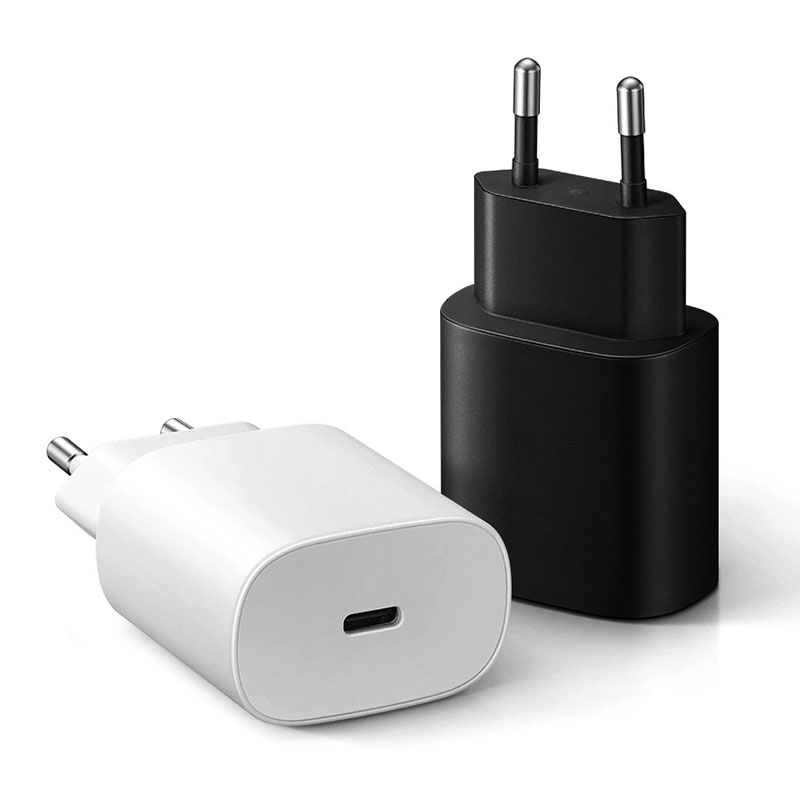
Four limits, and the first is the one that surprises brands.
A registered design does not cover the function, a patent does not cover the appearance, a trademark does not cover either, and a contract does not bind a third party who was never a party to it. A programme that relies on one instrument has three gaps.
How to sequence the filings
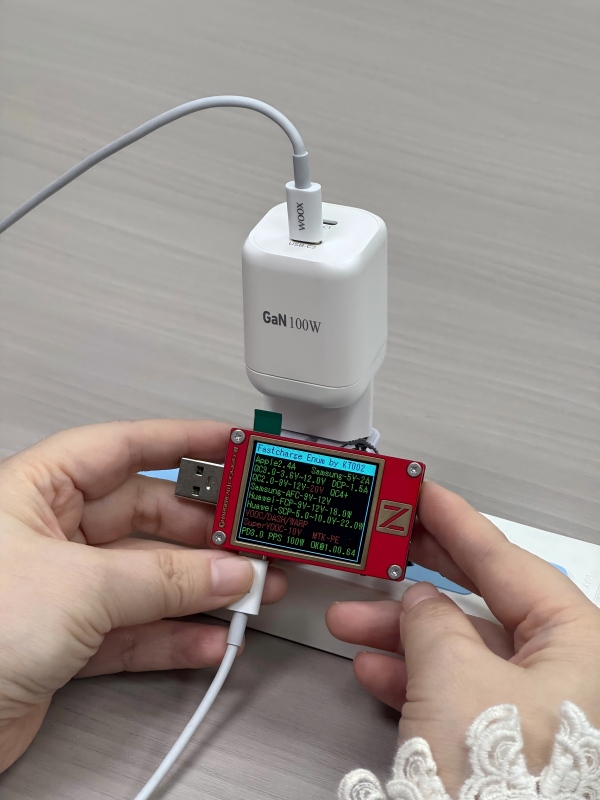
Four steps, and the second is time-critical.
Register the name in the markets before launch, file the design before the shape is shown publicly, decide on the patent from an assessment of the functional advance, and put the contracts in place at the start of the manufacturing relationship. The second step is the one that cannot be reversed.
What the filings cost over their life
A filing is a series of payments rather than a single one. Registration, examination where the register requires it, renewal at intervals and the cost of acting when a copy appears are separate items, and a programme that budgets only for the first is surprised by the fourth.
The instruments also differ in how long they run. A registered design has a defined term with renewals, a trademark can continue indefinitely while it is renewed and used, and a patent expires after its term regardless of whether the product is still sold.
Those differences decide the order of filing for a small programme: the name first because it is used commercially and renews indefinitely, the appearance second because it is inexpensive and immediate, and the functional filing only where the advance justifies the cost. The order is reviewed whenever the range extends or a market is added.
FAQ
Is a charger worth patenting?
It is worth it where the programme has a functional advance that is not already known. Where the design is built from established topology and standard parts, the filing costs more than it protects and the appearance is the better route. The test is whether a competitor could reach the same performance by a different arrangement, because a filing that can be designed around protects very little.
When must a registered design be filed?
Before the design is made public. A product shown at a trade fair or listed for sale is public, and the filing has to precede that rather than follow it. Where a launch is imminent, the filing is made on the drawings before the product is shown, and the published images are added to the file afterwards. Where the launch cannot be moved, file on the drawings first and add the product photographs to the file after the first shipment.
Does a trademark protect the packaging?
It protects the name and the logo that appear on it. The shape of the pack is a design matter, and the two are filed as different instruments. A pack whose shape is distinctive is protected separately from the name printed on it, and the two registrations are renewed on different cycles. Confirm which of the two the brand actually relies on commercially, because that decides which is renewed first.
Who owns the IP created by the factory?
It follows the contract and the contribution. Where the factory developed the design at the buyer’s cost, the agreement should state the ownership rather than leave it to the default rule. Where the factory contributed part of the development, the agreement separates what the buyer paid for from what the factory brought with it, rather than assigning the whole design to one party.
Next step
Send the product concept, the new elements and the target markets to Wecent Group through the contact page. The reply sets out the platform, the documentation trail and the points at which the filings have to be made. Related reading: OEM and ODM charger manufacturing, wholesale chargers and charger manufacturing services. External references: World Intellectual Property Organization, UK Intellectual Property Office, United States Patent and Trademark Office, China National Intellectual Property Administration, ICC business solutions for trade and BSI standards.
{“@context”:”https://schema.org”,”@type”:”FAQPage”,”mainEntity”:[{“@type”:”Question”,”name”:”Is a charger worth patenting?”,”acceptedAnswer”:{“@type”:”Answer”,”text”:”It is worth it where the programme has a functional advance that is not already known. Where the design is built from established topology and standard parts, the filing costs more than it protects and the appearance is the better route.”}},{“@type”:”Question”,”name”:”When must a registered design be filed?”,”acceptedAnswer”:{“@type”:”Answer”,”text”:”Before the design is made public. A product shown at a trade fair or listed for sale is public, and the filing has to precede that rather than follow it.”}},{“@type”:”Question”,”name”:”Does a trademark protect the packaging?”,”acceptedAnswer”:{“@type”:”Answer”,”text”:”It protects the name and the logo that appear on it. The shape of the pack is a design matter, and the two are filed as different instruments.”}},{“@type”:”Question”,”name”:”Who owns the IP created by the factory?”,”acceptedAnswer”:{“@type”:”Answer”,”text”:”It follows the contract and the contribution. Where the factory developed the design at the buyer’s cost, the agreement should state the ownership rather than leave it to the default rule.”}}]}