
Talk · Purchasing · Orders, pricing & payment terms
How do we write an acceptable quality level (AQL) into a charger purchase order?
Name the sampling standard, inspection level and AQL per defect class, and define what counts as critical, major and minor for a charger. Then agree what happens if a lot fails.
 Wecent Editorial Team
Updated
3 min read
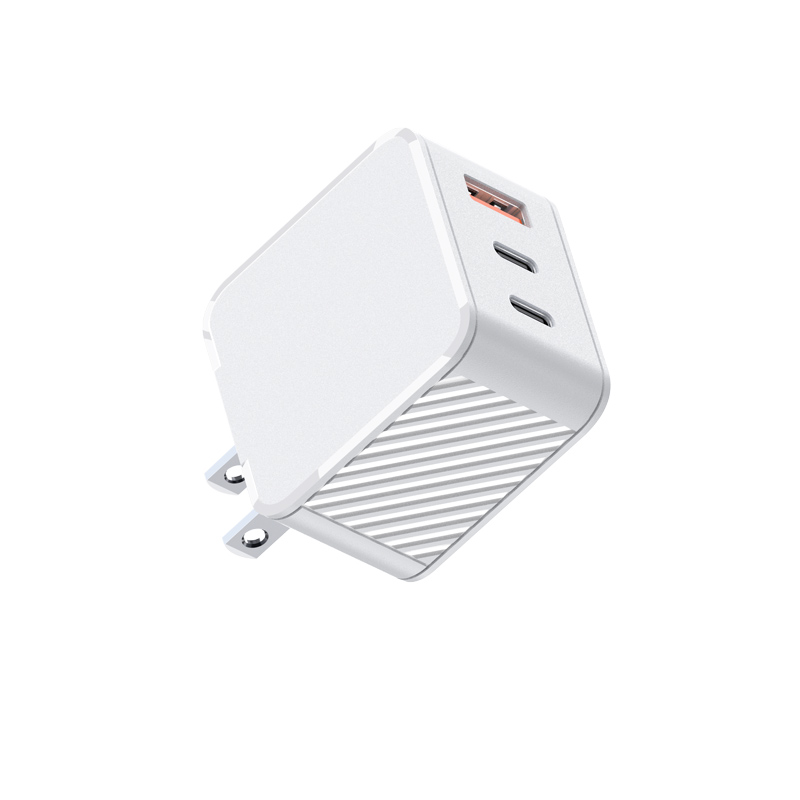
Our first purchase order for 2,000 branded 100W chargers just says ‘good quality’. Our inspector suggests adding an AQL. What exactly should the order say?
Short answer: Reference the sampling standard (usually ISO 2859-1 or its equivalent), the inspection level (often General Level II), and an AQL per defect class. Define critical, major and minor defects for this charger, list the functional and safety checks done on samples, and state what happens when a lot fails. Agree the details with Wecent before the order is confirmed.
The elements of an AQL clause
- Standard: ISO 2859-1 (or ANSI/ASQ Z1.4) single sampling plan.
- Inspection level: General Level II is common; it sets the sample size for the lot size.
- AQL per class: many buyers use zero acceptance for critical defects and set separate limits for major and minor ones. The numbers are your commercial decision.
- Reference: the signed golden sample and the approved specification.
Defining defect classes for a charger
- Critical: anything that could create a safety hazard or breach regulations, such as exposed live parts, failed hi-pot or dielectric test, wrong or missing safety markings, cracked housing near mains parts, wrong plug type.
- Major: functional failures or defects likely to cause returns, such as no output, wrong PD profiles, loose plug heads, ports that don’t hold cables, wrong colour outside the agreed tolerance.
- Minor: cosmetic defects that don’t affect use, such as small scratches, slight print variation within limits, or packaging marks.
Tests on samples
- Visual and dimensional checks against the golden sample.
- Output test per port and in key multi-port combinations.
- Safety checks the inspector can perform, such as a hi-pot or dielectric test, if agreed with the factory.
- Label, marking and packaging checks against approved artwork.
- Plug-head insertion and retention checks for interchangeable models.
When a lot fails
State the remedy: the factory sorts or reworks the full lot at its cost, followed by a re-inspection, and who pays for it. Also state the shipping consequence: no shipment until the re-inspection passes.
Production tests versus inspection
AQL sampling checks a lot; it doesn’t replace the factory’s 100% production tests, such as hi-pot and output tests on every unit. Ask Wecent which tests are done on every unit and include that in the specification.
Keep it practical
Overly strict AQLs raise prices and cause disputes; loose ones let problems through. Discuss the clause with the factory before confirming the order. Both sides should agree that it can be met.
Where this answer says confirm with Wecent, the detail is not published on the product page and has to come from the datasheet or the factory. General facts come from the standards bodies, regulators or device makers named in the text.
Three more perspectives
Products discussed in this thread

Related articles & topics
Have a sourcing question about your own programme?
Ask our team More Orders, pricing & payment terms questions