
The private label power adapter that looks unlike anything already on the shelf is usually the slowest one to get there, and the extra months rarely buy a better position once it arrives. Three routes exist for putting a brand on a power adapter, and the variables that separate them – tooling, compliance work, lead time, differentiation and the opening quantity – are predictable enough to choose between on paper.
This guide is part of our OEM & ODM Charger Programmes. Read the full topic guide for the decisions that come before and after this step.
Private label power adapters: three routes and the variables that separate them
The three routes differ in tooling, compliance work, lead time and differentiation.
Rebadging a certified platform, re-specifying a platform inside its tested envelope, and developing a new enclosure or power stage. The first is fastest and least differentiated, the third is slowest and most defensible, and the middle route covers most commercial briefs because it changes what the buyer notices without leaving the tested design behind.
Choosing between them is not a quality question. A platform build is not a lesser product than a new design; it is the same electrical design sold under a different brand and a different commercial agreement. The route decides what the brand owns, how long the launch takes and which order quantity a factory can accept, and all three follow from one decision taken at the start rather than discovered during the programme.
Route 1: rebadge a certified platform
The quickest route, and the one with the least scope for differentiation.
Artwork, colour, finish, cable branding and packaging change; the electrical design, the board and the enclosure do not. Compliance work reduces to updating the label and the technical file against the existing reports, and the opening quantity can be small because the tooling and the test programme are already paid for. What the brand gets is speed and a known cost. What it does not get is a form no competitor can also order.
Route 2: re-specify inside the tested envelope
Port mix, plug kit, cable rating and small mechanical changes that stay inside the characterised range.
This route adds engineering and documentation work rather than tooling, and the certification question becomes a review instead of a new submission. It suits a brand that needs a specific port combination or a regional plug strategy but not a new industrial design. The line between re-specification and a new test submission is set by the platform’s characterised limits, so ask for that line in writing rather than inferring it from the quotation.
Route 3: a new enclosure or power stage
Tooling, a trial loop and a new test programme, with the opening quantity following the moulding economics.
This is the route that produces a form factor nobody else can order, and it is justified when the shape is the reason customers buy, when the volume can amortise the tooling, or when the brief needs an output or a connector no platform provides. The schedule is measured in months rather than weeks, and the certification submission can only start once a representative build exists, so the two longest steps sit end to end rather than running in parallel.
| Variable | Route 1: rebadge | Route 2: re-specify | Route 3: new design |
|---|---|---|---|
| Tooling | None | Small mechanical changes only | Mould and trial loops |
| Compliance work | Label and file update | Engineering review | New test submission |
| Lead time | Weeks | Weeks to a couple of months | Months |
| Differentiation | Branding only | Ports, plugs, cable | Form and electrical design |
| Opening quantity | Smallest | Set by the change | Set by the moulding batch |
Whose name goes on the label
The marking obligation follows the product and the market, not the brand’s preference.
On a rebadged platform the brand normally appears as the responsible party in the technical file while the reports remain attached to the product revision. That arrangement is ordinary in the channel and it has one practical consequence: the brand has to hold the file, the reports and the label artwork, and has to know exactly which revision they cover. Where a destination market requires a responsible party inside its own jurisdiction, that requirement is settled before the packaging artwork is finalised rather than afterwards.
Connectors and plug kits for the destination markets
The plug strategy separates the three routes faster than the enclosure does.
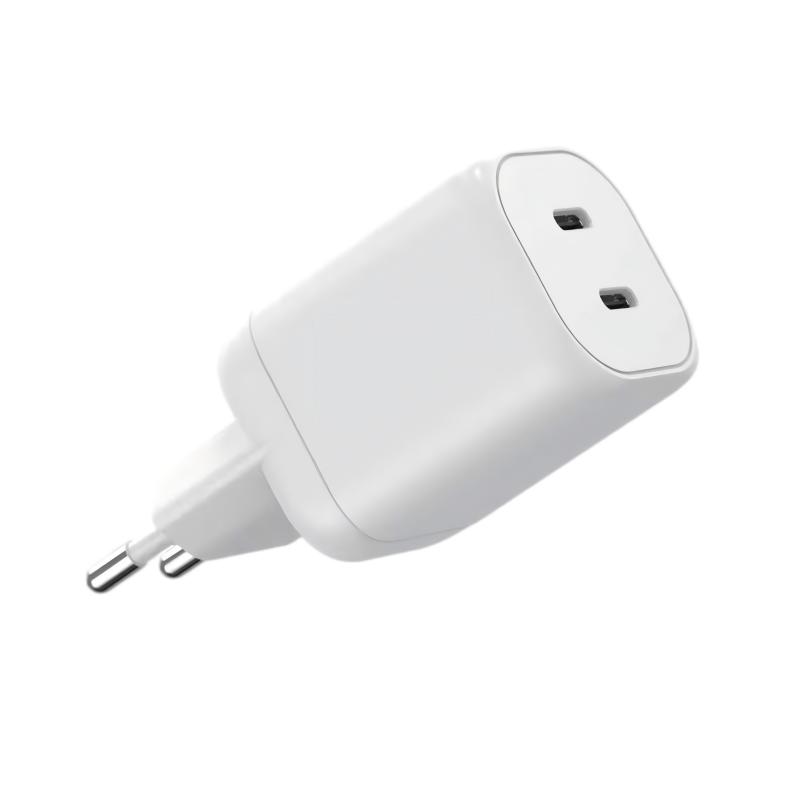
A fixed plug suits a single-market programme and keeps the mechanical design simple. A foldable or interchangeable plug kit covers several regions from one SKU and pushes the design towards route two or three, because the mechanism is part of the tested mechanical envelope. Counting the plug variants in the forecast is the quickest way to see whether one platform SKU, a plug kit, or two regional SKUs will carry the order better.
Packaging and accessories: where the route shows up on the invoice
Packaging is the line where a rebadge programme stops being cheap.
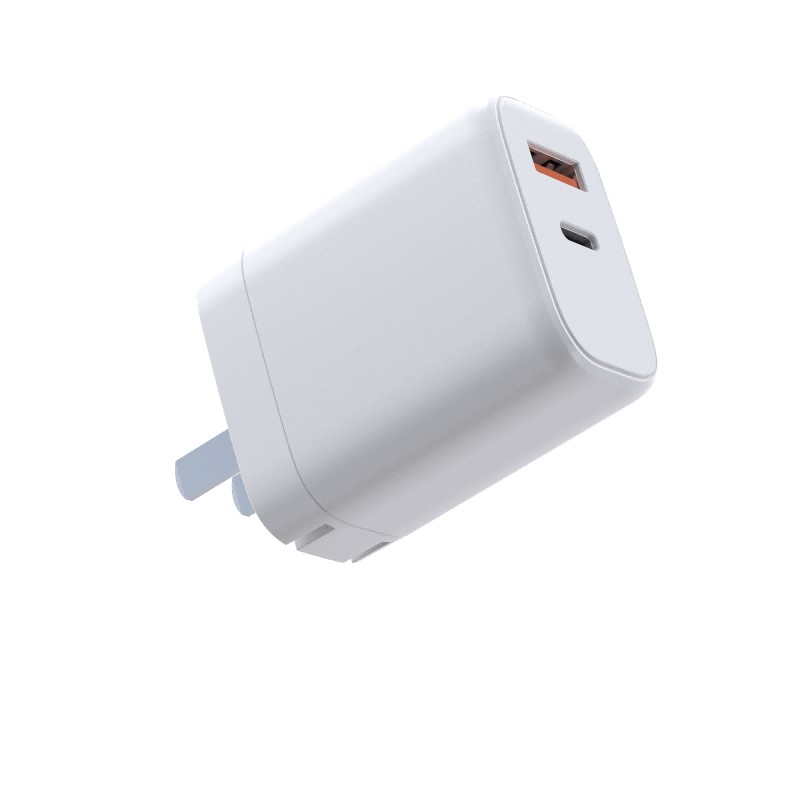
Cartons, inserts and sleeves are printed per artwork version, and the accessory list – cable, pouch, documentation – is assembled by hand in most factories. A rebadge programme with one packaging version and one accessory set keeps its fixed cost low; the same programme with six language versions, a regional cable and a gift box starts to look like a new design on the invoice without any of the differentiation. Match the packaging complexity to the route rather than to the ambition of the launch.
Trade-offs no route removes
Three things stay true whichever path is chosen.
The brand still carries the warranty obligation towards its own customers. The factory still needs a frozen specification before it can quote a binding price. And the opening quantity is still set by the most expensive constraint in the build rather than by the route label. Route selection changes which constraints apply; it never removes the arithmetic behind them.
FAQ
What is the difference between private label and OEM on a power adapter?
Private label puts a brand on a product whose design already exists and is usually already certified under the factory’s name. OEM means the product is produced to the buyer’s specification, which may be a re-specified platform or a design developed for that buyer. The practical difference is who owns the design and how much of the test programme has to be repeated.
Can a private label adapter carry our own model number?
Yes. The model number is a commercial identifier and it can be the brand’s own, provided the technical file records which product revision it refers to. Keep the relationship between your model number and the platform revision in writing, because a later reorder against the same number has to resolve to the same design. Record the mapping in the technical file and in the purchase order.
Do we have to change the adapter to sell into the EU?
The electrical design usually does not change; the plug, the marking and the documentation do. A CE-compliant platform build still needs the correct plug system for the market, the responsible party recorded in the technical file and a label that carries the required marking legibly. Where the platform already holds the relevant reports, this is a file update rather than a new design.
How many SKUs should the first order cover?
Fewer than the first plan usually suggests. Each SKU brings its own packaging version and its own test scope, and the fixed cost per SKU does not fall just because the SKUs are ordered together. A single tier with one packaging version proves the reorder cycle, and the second tier can then be added with a known sell-through rate behind it.
Is route 1 a temporary answer that has to be replaced later?
No. Many channel programmes stay on a certified platform for years because the brand’s differentiation lives in packaging, channel and service rather than in the enclosure. Moving to route 3 later is possible but the tooling investment then has to be justified by the volume at that point, not by the volume promised at the start. The tooling investment is justified by the volume at that point rather than by the volume promised at the start.
Next step
Send the destination markets, the required port layout, the branding level and the forecast to Wecent Group through the contact page. The reply states which route matches the brief, what each route changes in the compliance file and where the opening quantity lands. Related reading: OEM and ODM charger manufacturing, charger quality control and our charger factory. External references: USB-IF documentation, IEC standards, EU CE marking rules, EU energy-efficient products, TUV testing services and US Department of Energy.