
Two brands approach the same ODM charger manufacturer in the same month. The first selects a platform, applies its branding and packaging, and opens at 200 pieces per model. The second asks for a different port layout and a slimmer enclosure. The first ships in weeks; the second has left the ODM model and become an OEM project, with tooling, sample loops and a minimum order set by the mould. The sequence of decisions, not the supplier, produced the difference.
This guide is part of our OEM & ODM Charger Programmes. Read the full topic guide for the decisions that come before and after this step.
ODM charger manufacturer programme: the five decisions before the first order
Five decisions set the route. Five decisions determine whether an ODM programme stays on the platform or becomes a development project.
Which platform to use, what may change within it, which sample gates apply, how the packaging and labelling are approved, and how the repeat order is protected. Each has a commercial consequence, and each is cheaper to settle before the tooling is discussed than after.
The reason ODM programmes can open at low volume is that the tooling and the safety-critical design belong to the factory and are shared across its customer base. That is also the reason a request for a different enclosure changes the economics so sharply: it removes the sharing and puts a mould, a trial loop and a certification review onto a single order.
Decision 1: which platform
Ask for the platform list with the wattage tier, port layout, plug options and certification status of each.
A platform that covers several tiers lets a brand build a range without new tooling, which is the main commercial advantage of the ODM route. A long catalogue of near-identical models is less useful, because each addition still requires artwork, a sample and a line in the forecast. Ask which platforms are shared and which are exclusive.
| Decision | What it fixes | Commercial effect |
|---|---|---|
| Platform | Tier, ports, plugs, reports | MOQ, certification path, range extension |
| Changes within the platform | Colour, finish, label, packaging | Artwork and sample work only |
| Sample gates | Branded and packaging approval | Protects the bulk run |
| Certification and labelling | Markets and importer details | Print plates and compliance |
| Repeat-order terms | Platform and approved sample | Second-order price basis |
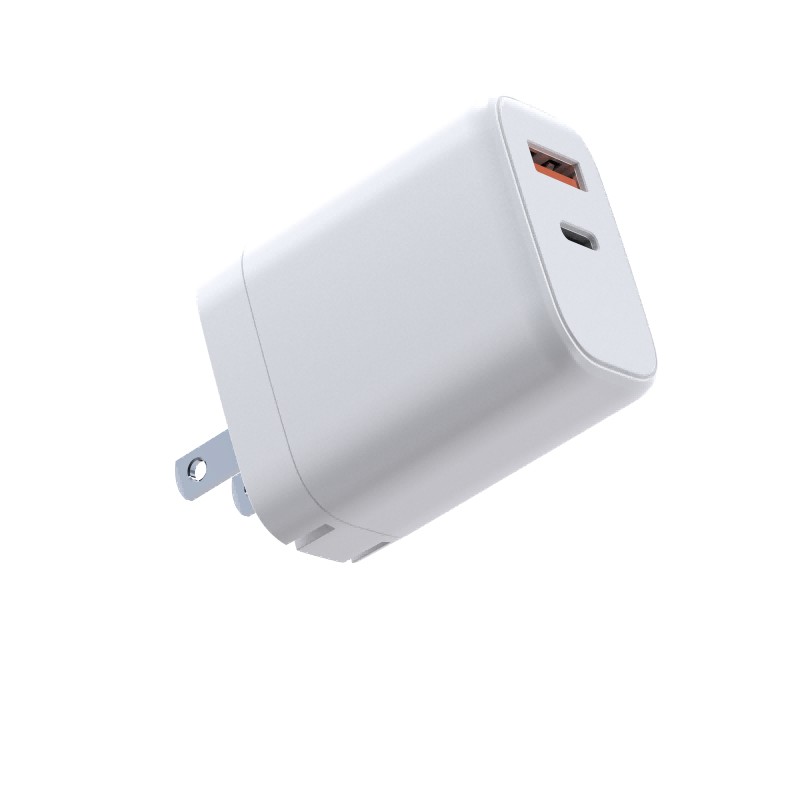
Decision 2: what may change inside the platform
Branding, colour, finish, label and packaging can change freely; the electrical design and the enclosure generally cannot.
Ask the factory to list the available options rather than to accept a specification and price it, because a platform’s finish options are limited by the tooling and the moulding process. Where the brand needs a colour outside that range or a texture that requires a tool change, the programme is no longer a pure ODM order.
Decision 3: the sample gates
Engineering sample, branded sample, packaging proof and golden sample apply even in an ODM programme.
The engineering gate is often closed from existing platform records, which leaves the branded sample and the packaging proof as the substantive checks. Approve colour and finish on a physical object, confirm the label content against the certified model, and keep the golden sample as the production reference. The purchase order should name the artwork revision.
Decision 4: packaging and labelling
Packaging is usually the only new tooling in an ODM programme.
Print plates, an insert and language versions are the items that carry setup cost, and they are also the items that decide how many versions the brand has to manage. Ask whether the plates are reusable for repeat orders and whether a master design with market panels can serve the whole market list. Confirm the importer details for each destination before the artwork is finalised.
Decision 5: protecting the repeat order
Because the design belongs to the factory, protection comes from documents rather than from ownership.
The specification, the approved sample and the change-notification process are the three artefacts that keep an ODM product stable across orders. Ask which components are treated as critical, who approves an alternate and how the customer is informed. Where the answer is verbal, a finish or a component can change between orders without the brand knowing.
Tooling, MOQ and second-order pricing
On a platform programme, a branded run can open at 200 pieces per model with logo, colour, label and packaging applied, and samples are typically prepared in two to three days where the platform allows.
A new enclosure carries tooling and a higher minimum. Ask the quotation to separate tooling, packaging setup and certification, and ask what the second order will be priced against. The second-order basis is where the benefit of the platform route becomes visible.

What the approval gates cover
The gates on a branded platform programme cover the marking, the packaging and the documentation rather than the electronics, because the platform is already approved.
The first gate is the sample with the finish and the mark applied, the second is the assembled pack with its insert and languages, and the third is the file with the artwork revision recorded against it.
Keeping the three separate lets a change be made at the gate it belongs to rather than restarting the approval.
FAQ
What is the minimum order for an ODM charger?
From 200 pieces per model on an existing platform with branding, colour, label and packaging applied. That quantity assumes an existing platform, and it is set by the packaging print rather than by the electronics, because the tooling is already amortised. Ask which line sets the quantity, because the electronics and the packaging are quoted separately and only one of them is usually the constraint.
Can we change the port layout?
Within the platform’s available configurations, usually with a documentation update. A change that moves the internal layout or the thermal behaviour may require a review. A change that moves the internal layout or the thermal behaviour is a review rather than an update, and the review is where the lead time goes. and the review is where the lead time goes.
Is the design exclusive to us?
Usually not. Exclusivity is a commercial agreement, linked to volume or territory, and should be written with a period and conditions. Exclusivity is negotiated separately, usually against a volume or territory commitment, and it is documented with a period and conditions. Ask whether the exclusivity is tied to a volume or a territory, and what happens if the volume is not reached within the period.
What if the platform is discontinued?
Ask for the roadmap and the notice period. A brand with printed packaging and completed certification needs time to plan a replacement. The roadmap and the notice period are asked for at the start, because printed packaging and a completed certification take time to replace. Ask for the roadmap in writing, because a replacement platform has to be qualified before the packaging is printed again.
What protects the second order?
The platform, the approved sample and the artwork revision, supported by a written change-notification process. The platform, the approved sample and the artwork revision together are what make the second order a repeat, and the notification process is what keeps them valid. Ask for the notification process in writing, with the notice period and the items it covers. and the notice period is what makes it workable.
Next step
Send your tier plan, markets and branding requirement to Wecent Group through the contact page. The reply states the ODM platform options, the MOQ, the certification position and the sample timing. Related reading: OEM/ODM manufacturing, wholesale chargers and quality control. External references: USB-IF documentation, IEC standards, EU CE marking, FCC equipment authorisation, ISO 9001 and GS1 standards.