
Two days after the sample leaves Shenzhen it is sitting in a customs warehouse while your launch review waits for a charger nobody can open. Sample shipments rarely go wrong in transit; they go wrong on paper. This guide covers what to prepare before dispatch, what customs will ask for, and how to recover a shipment that is already held.
Why sample shipments stall at customs
Three failures account for most delays. The description on the airway bill is too vague to classify; the declared value is inconsistent with the commercial invoice; or the paperwork does not match the product, because a branded sample and its invoice disagree about the model. Customs authorities are not looking for reasons to hold a sample, but they cannot release goods they cannot classify.
Choosing a courier for chargers with lithium batteries
A charger with no battery inside is a straightforward shipment. A charger shipped with a battery, or a power bank, moves into dangerous-goods territory. Most express couriers accept lithium cells under the applicable air transport rules, but they require the correct declaration and packaging, and some routes restrict them entirely. Before booking, confirm with the courier whether the shipment contains cells, whether a dangerous-goods declaration is required, and whether the destination country accepts that class of shipment by air.
The five documents that decide clearance speed
| Document | What customs reads it for | Common error |
|---|---|---|
| Commercial invoice | Value, seller, buyer, purpose of shipment | Value inconsistent with the price list |
| Packing list | Number of units and weights | Quantity differs from the invoice |
| Airway bill | Description and HS code | Generic description such as “electronic parts” |
| Certificate of origin | Applicable duty treatment | Requested late, after arrival |
| Compliance documents | Whether the product may be imported | Certificates not matched to the model |
Declared value: credible numbers, not the lowest number
Under-declaring a sample is a false declaration, and it creates a second problem: the shipment cannot be insured for its real value, and a reimbursement claim becomes difficult. A sample declared at its normal commercial value, with the invoice marked “sample of no commercial value” only where that statement is true, clears faster than a shipment whose value invites a second look.
Who is the importer of record
Deciding who clears the goods is a commercial decision with tax consequences. If your company is the importer, it bears the duty and the VAT recovery, and the sample becomes company property. If a distributor or a courier clears it on your behalf, the paperwork must name them consistently across the invoice and the airway bill. Mixed arrangements hold shipments because the customs broker cannot determine who is entitled to release the goods.
HS codes and what they change about duty
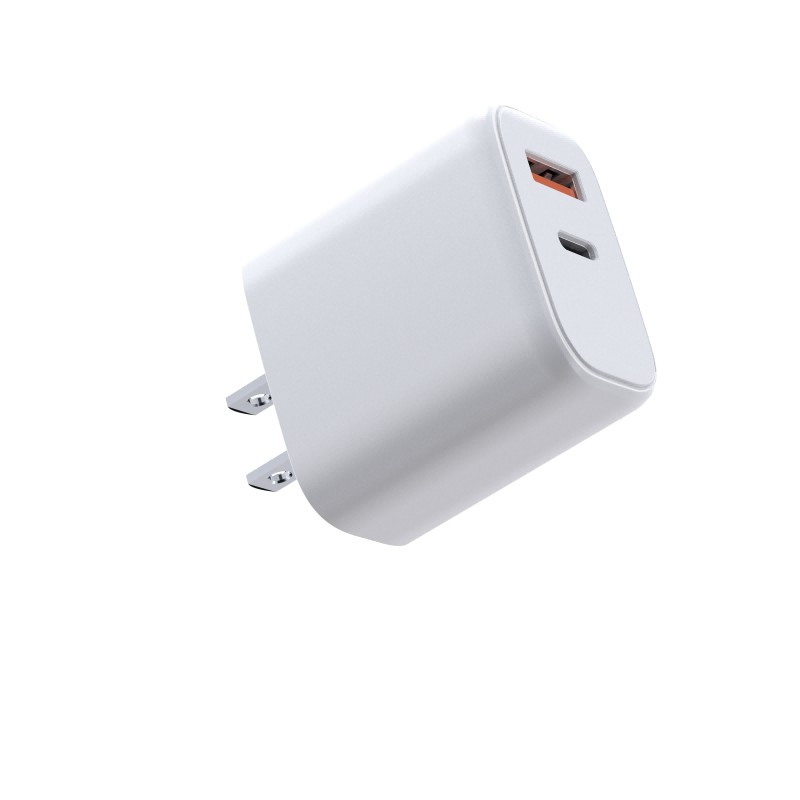
Chargers and wireless charging stands sit in different tariff lines in most schedules, and power banks sit in a third. The code you declare determines the duty rate and whether additional import requirements apply. The correct code depends on the destination’s tariff schedule, not on a universal number, which is why the classification should be confirmed for the destination market before the first shipment rather than reused across regions.
Certification paperwork that customs may request
A sample can be imported without the product being certified for sale, but some markets ask for compliance evidence even for samples, particularly when the shipment is larger than a single unit or when the declared value crosses a threshold. Where the platform’s certification groundwork exists, sending the relevant report with the shipment prevents a hold. Where it does not, it is worth telling the courier in advance that the goods are samples for approval rather than stock for sale.
Packaging and labelling rules for sample units
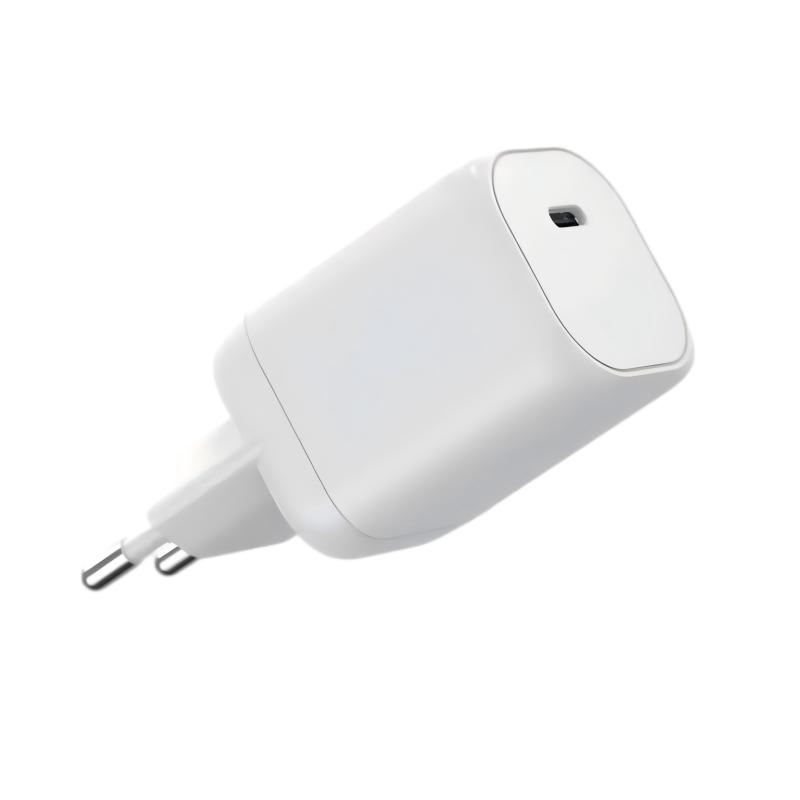
Sample packaging should survive both the courier network and the customer’s approval process. Use the same internal protection as a production unit, label the box with model, wattage and input/output rating, and include the packing list inside so the receiving team can match unit to document. Marking the outer box clearly reduces the chance that a customs officer opens the carton to work out what is inside.
What to send your supplier before dispatch
- Correct consignee name, address, phone and, where required, tax number
- Preferred courier account and whether the shipment should be billed to you
- Destination market, so the classification and documents match
- Declared value policy and any preference on duty payment
- Whether the sample contains a battery
- Required compliance documents for import
Delay playbook: what to do when a sample is held
Ask the courier for the specific reason code, not a general status message. In most cases the fix is one of three things: send a corrected invoice, provide the missing certificate, or nominate the importer of record in writing. Reply within the same business day if possible, because clearance queues are handled in order and a delayed response restarts the wait. If the shipment contains lithium cells, confirm that the destination accepts them before paying any storage fees.
Frequently asked questions
Can charger samples be shipped by express courier?
Yes. Chargers without cells are routine; chargers shipped with lithium batteries require the applicable dangerous-goods declaration and packaging, so confirm the route and documentation with the courier before booking.
What declared value should a sample shipment carry?
The real commercial value of the goods. Under-declaring risks penalties, insurance refusal and a slower clearance, and the saving in duty is rarely worth the exposure.
Do samples need the same certification as bulk orders?
Samples can usually be imported for evaluation without full market certification, but some destinations ask for compliance evidence even on samples. Where platform certification already exists, shipping the report with the goods removes the risk.
Next step
Wecent Group ships samples in two to three days with logo and finish applied where the platform allows, and prepares the invoice, packing list and compliance documents with the shipment. Send your consignee details, destination market and battery requirement through the contact page. Related reading: certification for the EU and US, sample approval gates and the factory FAQ. External references: World Customs Organization, IATA dangerous goods regulations, ICC Incoterms rules, EU CE marking, FCC equipment authorisation and ECHA REACH.