
Certification is usually treated as a document order placed at the end of a project. It behaves much better as a project with its own scope, samples and critical path, run in parallel with tooling and packaging. The plan below is the sequence that keeps a compliance file from delaying a launch.
Certification is a project, not a document order
A certificate is the last artefact of a process that starts with scope definition and sample selection. The process needs a representative product, a defined worst case, a test plan that matches the target markets and a technical file that ties the reports to the product being sold. Treating it as paperwork produces rework when the tested sample and the shipped product diverge.
Week 0-1: scope, markets and pre-scan
Define the markets at the start, because each brings its own framework and documentation. Identify the applicable safety, electromagnetic and, where relevant, energy-efficiency requirements, then run a pre-compliance scan on a representative unit. The pre-scan is the cheapest place to find a problem: an issue found before the formal submission can be corrected without a failed test report.
Week 2-3: worst-case build and sample selection
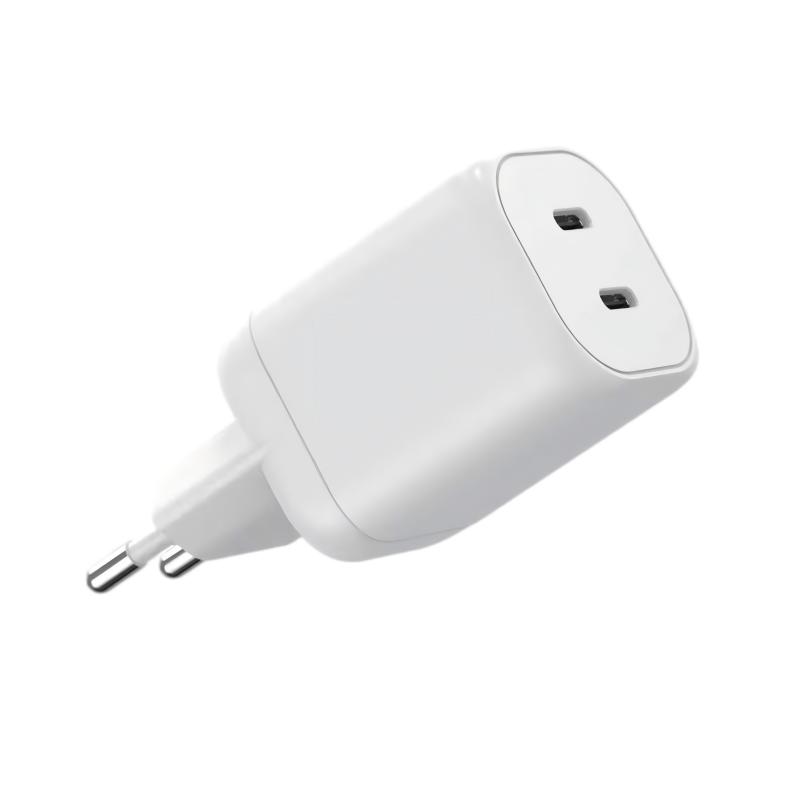
The test house tests a sample, but the market requires the product family to comply. The worst-case build is the configuration most likely to fail: the highest wattage, the densest port layout, the most demanding thermal condition, the plug variant with the least margin. Selecting it deliberately, and documenting why, is what allows the other variants to be covered by the same reports.
Week 3-6: the test list by market
| Area | What is assessed | Typical documentation |
|---|---|---|
| Safety | Insulation, creepage, thermal, construction | Safety test report |
| Electromagnetic compatibility | Emissions and immunity | EMC test report |
| Radio (wireless models) | Coil and RF behaviour | Radio test report and, where applicable, approval |
| Energy efficiency | No-load and average efficiency where required | Efficiency test report |
| Material compliance | Restricted substances and declarations | RoHS and REACH documentation |
Week 6-8: reports, marking and the technical file
Once the tests pass, the reports are compiled into the technical file with the product description, the ratings, the marking artwork, the user manual and the declaration. The marking on the product and the packaging must match the file exactly; a mismatch here is a common cause of a delayed customs release or a retail compliance query.
What changes when you put your own brand on it
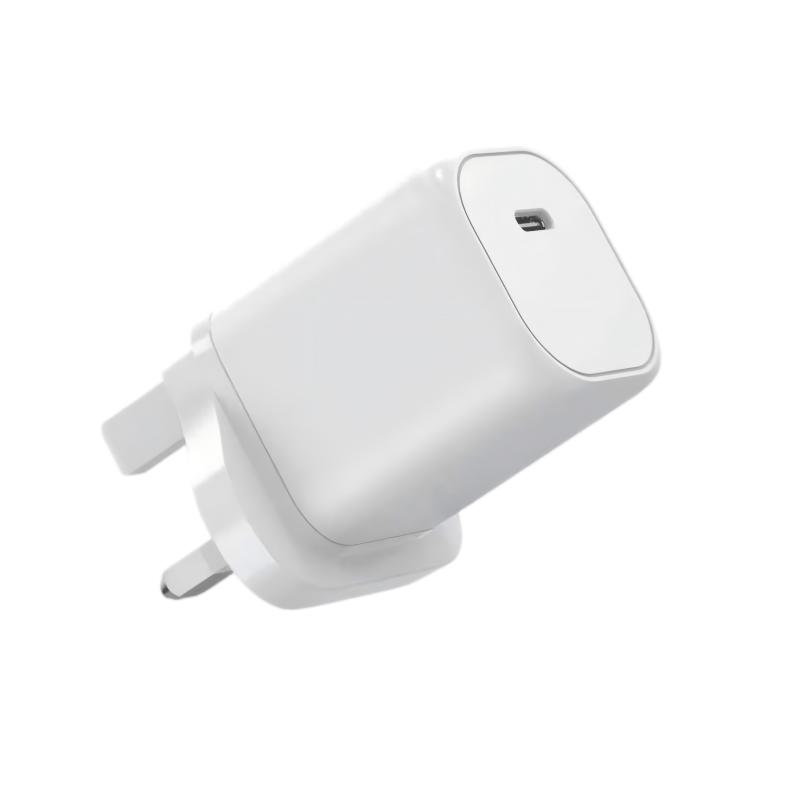
Applying a brand changes the manufacturer identification, the model designation and the label, and it may change the importer details required in some markets. It does not change the electrical design, so on a platform with an existing technical file the work is documentation and marking rather than new testing. This is the main reason to start a first programme on a certified platform.
Parallel path: packaging and user manual review
The user manual and the packaging carry compliance information: ratings, warnings, language requirements and importer details. They should be reviewed in parallel with the tests so that the marking text is confirmed before print plates are produced. Late manual changes are inexpensive; late print plate changes are not.
Common causes of a failed first submission
- The tested sample is not the worst-case configuration
- Marking text or ratings differ from the technical file
- EMC findings from a new switching design were not pre-scanned
- Wireless models submitted without the radio documentation
- Label artwork printed before the compliance text was frozen
Budget and cost lines
The main cost lines are the test programme per market, the number of samples consumed, any re-test after a failure, the technical file preparation and the mark application. Where a platform already holds reports, the incremental cost of a branded variant is much lower than the cost of certifying a new design, and the timeline is shorter by weeks rather than days.
Certification calendar template
- Week 0-1: scope, markets, pre-scan
- Week 2-3: worst-case build and sample submission
- Week 3-6: test programme
- Week 6-8: reports, marking and technical file
- Parallel: manual and packaging compliance review
- Final: marking confirmation and release to production
Frequently asked questions
How long does charger certification take?
The active test phase is commonly several weeks, and the full project from scope to technical file runs longer once sample selection, reports and marking are included. A pre-scan and a platform with existing reports shorten the critical path substantially.
What is a worst-case build for testing?
The configuration most likely to fail the applicable requirements: highest wattage, densest port layout, most demanding thermal condition. Testing it deliberately allows the remaining variants to be covered by the same reports.
Does re-badging require retesting?
Usually not, where the electrical design is unchanged and the platform already holds the reports. The work shifts to documentation, marking and the technical file, which is why platform-based programmes certify faster.
Next step
Wecent Group prepares certification groundwork for CE, FCC, RoHS, PSE and KC, assembles EU, UK, US and AUS plug kits to destination and maintains the documentation pack for each platform. Send your target markets and launch date to the contact page. Related reading: certification for the EU and US, quality control, plug strategy and OEM project sequence. External references: EU CE marking, FCC equipment authorisation, IEC standards, EU energy-efficient products, EU RoHS directive and Wireless Power Consortium.