
Talk · Maintenance · Care, cleaning & lifecycle
How do we recycle or hand in old chargers responsibly at business level?
Collect them in one place, separate damaged and swollen items from ordinary ones, use an authorised electronics recycler and keep records of what you hand over.
 Wecent Editorial Team
Updated
2 min read
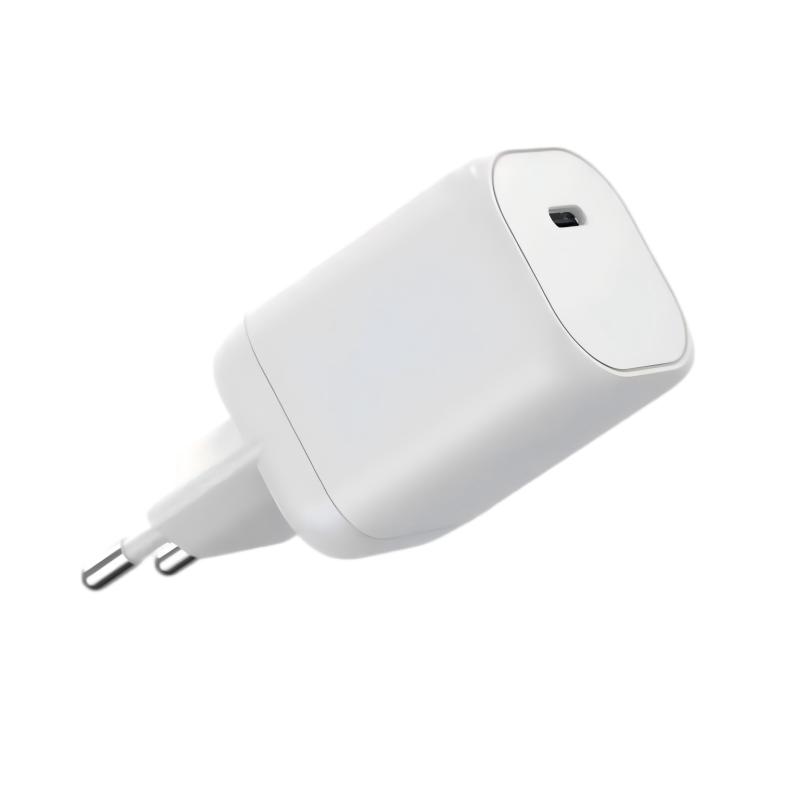
We collect old and returned chargers from customers and staff. How do we dispose of them responsibly as a business?
Short answer: Collect them in one place, separate damaged and swollen items from ordinary ones, use an authorised electronics recycler and keep records of what you hand over. Rules differ by state and province, so check local requirements and any producer programmes that may apply to you. Never put electronics in general waste.
Why proper handling matters
Chargers contain metals and plastics that can be recovered, and some contain components that should not go to landfill. Cables and chargers that are damaged or part of a device with a battery need extra care.
Set up a collection point
- Use a clearly labelled box in a dry, safe place.
- Keep different types apart: chargers and cables, power banks, damaged items.
- Do not let items pile up for months.
Handle damaged items carefully
Power banks and devices with batteries that are swollen, hot, wet or leaking should be kept separately in a non-flammable container, away from combustible materials, and handled according to the recycler’s advice. Do not crush or puncture them.
Choose a recycler
The United States Environmental Protection Agency provides information on donating and recycling electronics, including how to find programmes. Ask recyclers about their certifications and what they do with the material. In Canada, provincial programmes handle collection of many electronics, so check which products are covered in your province.
Rules for businesses
Rules for business waste differ from household rules, and vary by state and province. Check local requirements and any extended-producer-responsibility obligations that apply to you as a seller.
Keep records
Record the date, the quantity and the recycler, and keep receipts or certificates. These show that you handled the material properly.
Reduce waste
- Offer repair or replacement cables.
- Reuse sound chargers internally if they pass checks.
- Buy durable chargers in the first place.
Quick summary
Collect, sort, protect damaged items, use an authorised recycler and keep records. Check state and provincial rules.
Training and signs
Tell staff what goes in the collection box and what does not, with a simple picture sign. Show them how to handle a damaged power bank. A five-minute briefing prevents the most dangerous mistakes, such as putting a swollen battery in an ordinary bin.
Sources checked on 24 Oct 2026: U.S. EPA: Electronics donation and recycling.
Where this answer says to confirm with Wecent, the detail is not published on the product page and has to come from the datasheet or the factory. General facts come from the regulators, standards bodies or device makers named in the text.
Three more perspectives
Products discussed in this thread


Related articles & topics
Have a sourcing question about your own programme?
Ask our team More Care, cleaning & lifecycle questions