
Talk · Purchasing · Orders, pricing & payment terms
How do we compare two charger quotes for the ‘same’ specification?
Quotes that look equal often differ in certifications, components, cable, packaging, inspection, payment and shipping terms. Put both into one comparison table, ask the same questions to both suppliers, and compare samples.
 Wecent Editorial Team
Updated
3 min read
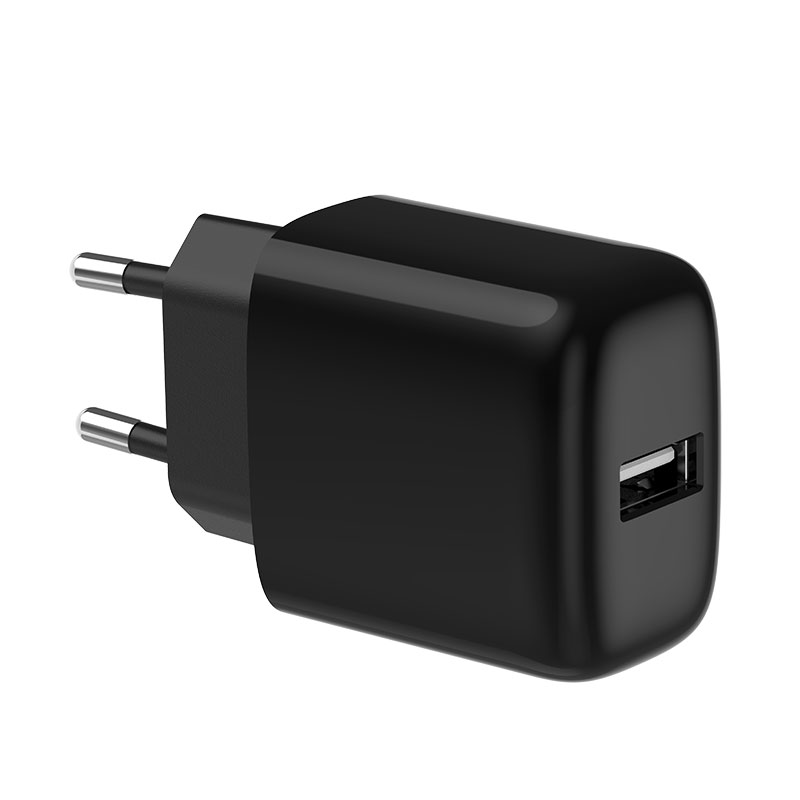
Two suppliers quoted the same 65W charger spec, but one is noticeably cheaper. How should we compare them?
Short answer: Make the quotes comparable before judging price. Check which certifications and test reports are included and in whose name, what components and protections are used, whether a cable and packaging are included, MOQ, Incoterms (EXW, FOB, DDP), payment terms, warranty, and inspection. Ask both suppliers the same written questions and test samples side by side. A lower price often reflects a different scope, not a better deal.
Same headline, different product
“65W USB-C PD charger” describes a category, not a product. Two chargers can share that line but differ in protocol support such as PPS, per-port behaviour, size, heat, internal components and protective features. The specification sheet rarely shows all of this, so compare deeper.
Build one comparison table
List both quotes side by side: certifications and reports, components, cable included and its rating, packaging, MOQ, unit price at your quantities, Incoterms, payment terms, lead time, warranty, spare units, and inspection. Gaps in one quote become obvious, and you can ask the supplier to fill them.
Certifications and reports
Ask which test reports exist, from which lab, for which exact model, and in whose name. A cheaper quote may exclude certification costs that you would then need to pay yourself.
Shipping and payment terms
An EXW price excludes inland transport and export handling; FOB includes delivery to the port; DDP includes delivery and duties. Payment terms also affect real cost and risk. Convert both quotes to the same basis before comparing.
Samples side by side
Order samples from both and test them the same way: real devices, full load, temperature after an hour, cable quality and packaging. Differences often show up here quickly.
Ask about the supplier itself
Compare how each supplier communicates, how quickly and clearly they answer technical questions, whether they share factory audit or quality system information, and how they handled sample problems. A supplier that answers the comparison questions openly is usually easier to work with when issues come up in production. Note these impressions in the table too.
Decide on total value
Choose on total landed cost and risk, not the unit price alone. A cheaper charger with higher returns usually costs more in the end.
Confirm with Wecent exactly what is included in our quote so it can be compared line by line.
Where this answer says confirm with Wecent, the detail is not published on the product page and has to come from the datasheet or the factory. General facts come from the standards bodies, regulators or device makers named in the text.
Three more perspectives
Products discussed in this thread

Related articles & topics
Have a sourcing question about your own programme?
Ask our team More Orders, pricing & payment terms questions