
Talk · Maintenance · Care, cleaning & lifecycle
How long should a quality GaN charger last in daily use?
There's no single lifespan figure. Heat, load, mains conditions and handling decide it. Use the warranty as the contractual floor and track failures by batch.
 Wecent Editorial Team
Updated
3 min read
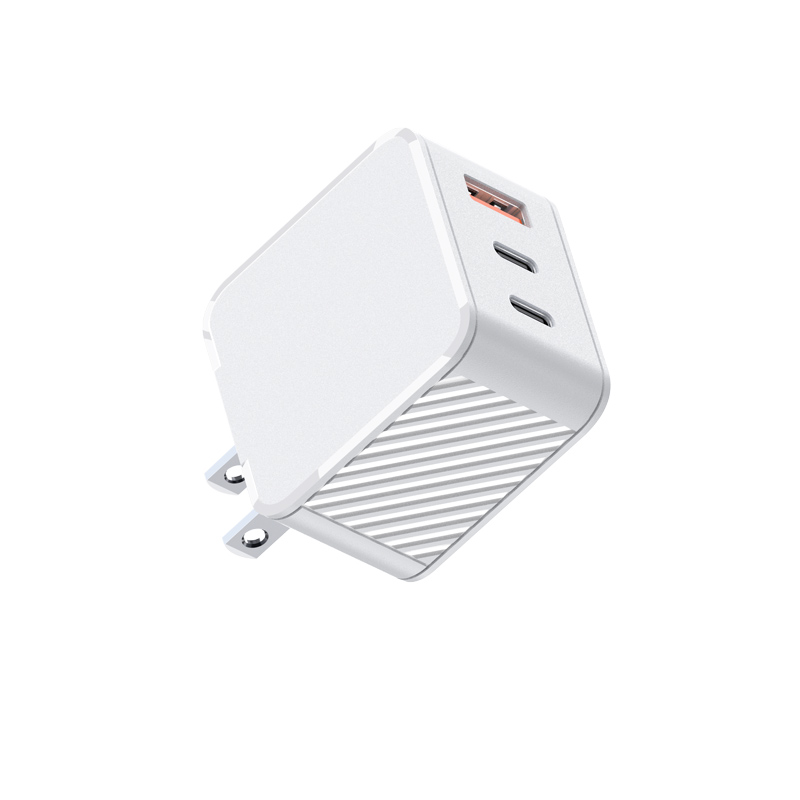
Our retail buyers ask how many years our branded 65W charger will last. Can we give them a number, and what affects it?
Short answer: Don’t quote a lifespan in years unless you have test data for the exact model. Life depends mostly on operating temperature, how hard and how often the charger runs at full load, mains quality and physical handling. Wecent’s product pages state a 2-year warranty. That is a contractual commitment, not a lifetime estimate. Confirm with Wecent whether reliability data exists for the model.
What wears a charger out
- Heat: electrolytic capacitors and other components age faster at higher temperatures. A charger used in a hot room, under a pillow or at full load for long periods ages faster than one on a cool desk.
- Load profile: a laptop charger running near its maximum every day works harder than one topping up a phone.
- Mains conditions: frequent surges or unstable supply stress the input stage.
- Handling: drops, being yanked out by the cable, and travel wear on pins and heads cause many failures that aren’t electronic.
- Cables: often fail before the charger and get blamed on it.
Why a single number is misleading
Lifetime claims usually come from component ratings or accelerated tests under specific conditions. They don’t translate directly to “years” for a given user. Two customers with the same charger can see very different lives. A claimed figure without test conditions invites complaints and, in some markets, scrutiny of advertising claims.
What you can say honestly
- The warranty period and what it covers.
- How to look after the charger: ventilation, unplugging by the plug body, and avoiding drops.
- That it is designed and tested to the applicable safety standards.
Build your own evidence
Track returns by batch code and months in service. After a year or two of sales, you’ll have real field data on failure rates by age. That is far more useful to a retail buyer than a generic figure. If one batch shows early failures, ask Wecent for failure analysis.
Questions to ask Wecent
- Has the model gone through ageing or burn-in tests, and under which conditions?
- Which capacitor temperature ratings are used?
- Are there field return data for the platform from other customers, shared in aggregate?
We don’t state answers to these here; they need to come from Wecent’s engineering records.
Where this answer says confirm with Wecent, the detail is not published on the product page and has to come from the datasheet or the factory. General facts come from the standards bodies, regulators or device makers named in the text.
Three more perspectives
Products discussed in this thread


Related articles & topics
Have a sourcing question about your own programme?
Ask our team More Care, cleaning & lifecycle questions