
The wireless charger market is less a single market than three: devices bundled with a phone, accessories sold on their own, and furniture and hospitality installations. An OEM programme is designed for one of them, and the platform, the packaging and the channel follow.
This guide is part of our Travel & Wireless Charging. Read the full topic guide for the decisions that come before and after this step.
The wireless charger market: three segments
Bundled accessories, retail accessories and installed applications. Each segment buys on a different measure, and the measure decides what the programme has to produce: quantity at a price, a shelf-ready pack with documentation, or a mounted unit with a spares arrangement.
Each segment has a different buyer, a different packaging expectation and a different tolerance for certification evidence. The platform can be shared; the programme cannot.
Segment 1: bundled accessories
Bought by a phone brand, a carrier or a bundle builder.
The unit travels with another product, so the packaging is often minimal and the branding is light. Volumes are high and the specification is narrow, and the certification evidence is usually inherited from the platform.
Segment 2: retail accessories
Sold on a shelf or a marketplace under the brand’s own name.
This segment carries the packaging cost, the barcode, the language versions and the documentation that a retailer or a marketplace requests. It is the segment where certification scope and label content decide the launch date.
Segment 3: installed applications
Hotels, hospitality, vehicles and furniture.
The unit is installed or mounted, so the mechanics, the cable retention and the marking for the property’s own asset matter more than retail appearance. Volumes are moderate and the replacement cycle creates a recurring order pattern.
What the segments share
Four technical decisions, whatever the channel.
The alignment method, the coil arrangement, the thermal path and the input arrangement are common to all three, which is why a platform can serve them. The differences appear in packaging, marking and documentation.
What the segments do not share
Three commercial variables. The opening quantity, the packaging revision and the party named in the declaration. Each moves a fixed charge rather than a unit cost, which is why they are settled before the platform is confirmed rather than after it. Each also has a default that will be assumed if it is not named.
The opening quantity, the packaging revision and the channel documentation differ enough that a single programme cannot serve two segments at once without compromising one. Planning for one segment at a time is what keeps the fixed charges proportionate.
| Segment | Volume | Packaging | What decides the date |
|---|---|---|---|
| Bundled | High | Minimal | The bundle schedule |
| Retail | Moderate | Shelf-ready | Documentation and artwork |
| Installed | Moderate | Functional | The installation window |
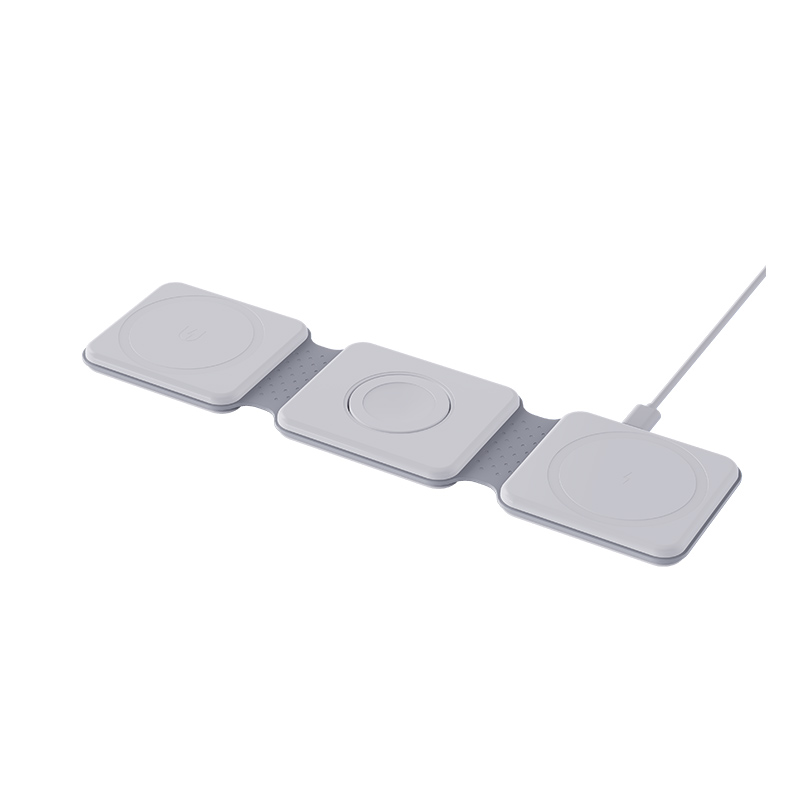
How the platform spreads across brands
A single design reaches several customers in different packaging.
Platform economics mean that a proven design is sold to several brands, which is why differentiation in this market concentrates in packaging, channel and service rather than in the enclosure. A brand that needs a different form is choosing a development programme rather than an accessory purchase.
Where OEM programmes go wrong
Three patterns, and each is a segment mismatch.
A retail programme built on bundled packaging; an installed product specified without the mounting and retention arrangements; and a bundle order that carries retail documentation. Each is settled by naming the segment before the platform.

Planning implications
Three decisions that follow from the segment. The packaging revision, the documentation pack and the service arrangement. A programme naming those three before the platform is chosen avoids reworking the pack once the segment becomes clear.
The packaging revision, which sets the print and the minimum; the documentation pack, which follows the channel; and the opening quantity, which follows the fixed charges of the chosen packaging rather than the platform.
What the channel expects by segment
In bundles the expectation is a working unit in minimal packaging; in retail it is a shelf-ready pack with identification and documentation; in installed applications it is a mounted unit with a marking and a spares arrangement. The expectation, not the technology, decides the programme.
What to decide before the platform
Name the segment, the device list and the markets first. Those three decide the packaging revision, the documentation pack and the opening quantity, and each of them changes a fixed charge rather than a unit cost.
What the trade-offs look like
Bundled volumes reward minimal packaging and narrow specifications; retail margins reward the pack and the documentation; installed applications reward the mechanics and the replacement arrangement. A programme can move between segments later, and the platform is what makes that possible.
What to settle before the packaging
Name the segment, the device list, the markets and the opening quantity. Those four decide the packaging revision, the documentation pack and the fixed charges, and they are cheaper to decide than to change.
FAQ
Is the wireless charger market growing or fragmenting?
Both, in practice: more devices support magnetic alignment, and the buyers divide into bundles, retail and installed applications with different requirements. The platform can serve all three and the programme cannot. The platform can serve all three segments and the programme cannot, which is why the segment is named before the packaging revision rather than after it. Name the segment before the packaging revision.
Can one platform serve two segments?
It can serve them at different times with different packaging and documentation. Running both from one revision usually compromises the packaging of one of them. Running both from one revision usually compromises the packaging of one of them, so a second revision is prepared rather than a single pack stretched across the two. The second revision also keeps the documentation set separate, which is what a retailer and a facilities buyer each expect.
What decides the launch date in retail?
The certification scope and the artwork, because the packaging carries the barcode, the languages and the compliance content that a retailer checks. The packaging carries the barcode, the languages and the compliance content a retailer checks, so the artwork and the certification scope are what set the date. The certification scope also decides which markets the pack can serve, so it is settled before the artwork is released.
What matters most for installed applications?
The mechanics: mounting, cable retention and the marking that identifies the property’s own asset, along with a spares arrangement for replacement. Alongside the spares arrangement, the installation instructions and the marking that identifies the property’s own asset are what a facilities buyer checks first. The installation instructions and the marking that identifies the property’s own asset are checked alongside the mounting arrangement.
Next step
Send the segment, the device list and the markets to Wecent Group through the contact page. The reply states the platform options, the packaging and documentation the segment needs and the opening quantity each implies. Related reading: wireless charger applications, OEM and ODM charger manufacturing and charger quality control. External references: Wireless Power Consortium, WPC Qi standard, WPC knowledge base, USB Power Delivery specification, IEC standards and UL standards and certification.