
GaN suppliers are easy to find and harder to qualify. The quotation looks similar across suppliers; the differences appear in the second order, in a customs check, and in how a defect claim is handled. These are the checks that separate a supplier who can hold a program from one who can only win a purchase order.
This guide is part of our GaN Charger Technology. Read the full topic guide for the decisions that come before and after this step.
GaN Charger Supplier: the four checks that matter
Confirm the platform behind the quotation, the certification status by market, the quality gates that run on every unit, and the commercial terms that govern a repeat order. A supplier who can answer all four without checking with a third party is likely to be a manufacturer; one who cannot is likely to be a trader between you and the factory.
Platform and product range
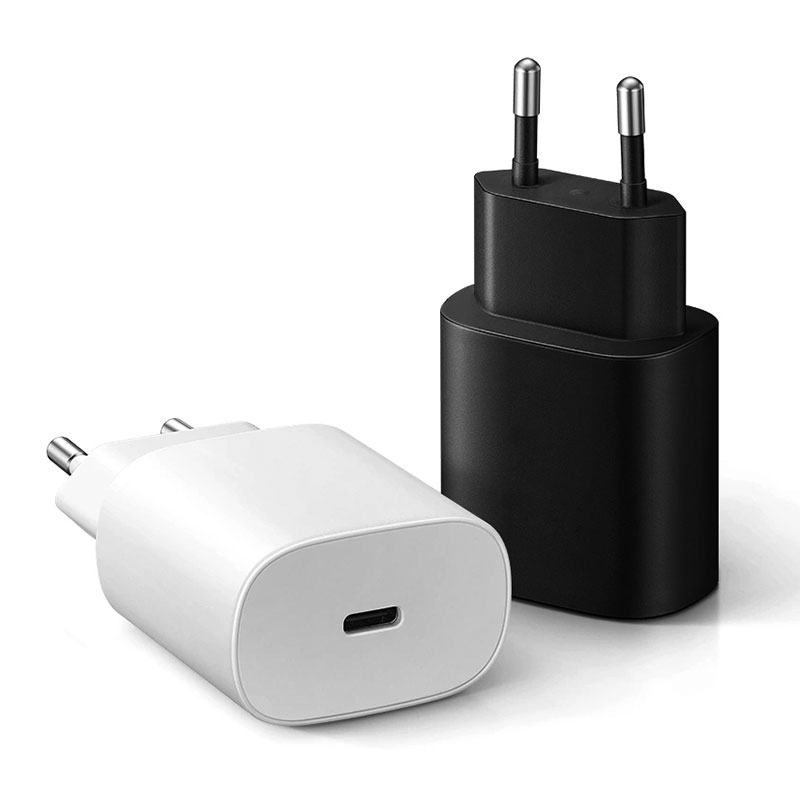
A GaN range usually spans several wattage tiers. Ask which tiers the supplier manufactures on shared platforms and which require new tooling. Where the 65W and 100W products come from the same platform family, a brand can extend its range without a new development cycle, and a distributor can build a multi-market assortment from fewer certified designs.
Certification and what transfers to your brand
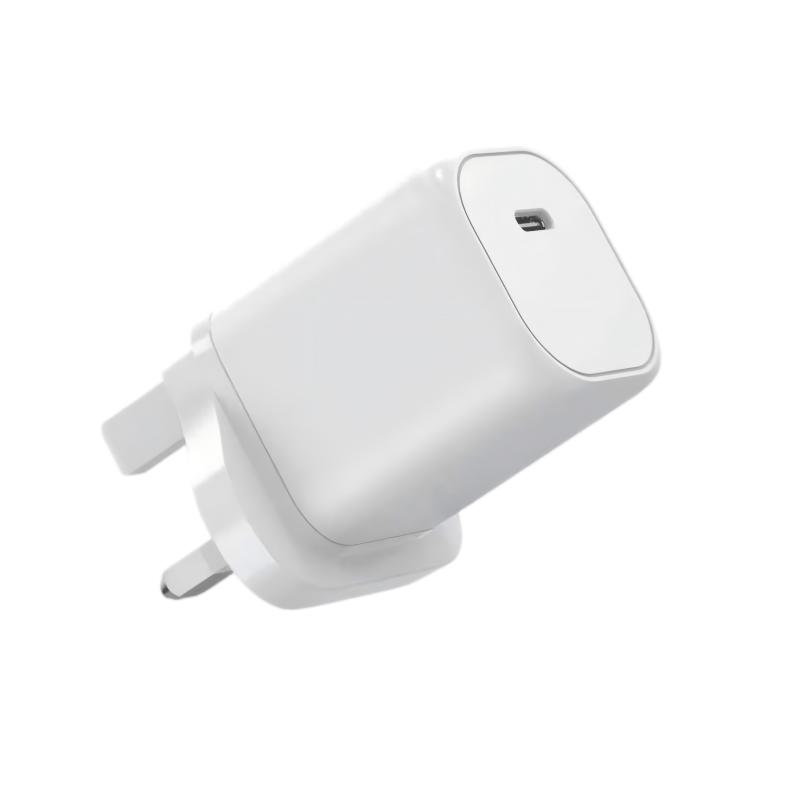
Applying a brand changes the manufacturer identification, the model designation and the label, and it may change importer details in some markets. It does not change the electrical design. On a certified platform the work is documentation and marking; on a new design it is a test programme. Ask which reports exist, which markets they cover and what the supplier needs from you to complete the file.
MOQ, tooling and first-order economics
The minimum order for a branded GaN charger is set by tooling. On a platform-based model, 200 pieces per model is a practical opening quantity because the mould and certified design already exist. A new enclosure carries tooling, sample loops and certification work and therefore a higher minimum. When a supplier quotes a very low MOQ on a new form, ask where the tooling cost is recovered.
| Program type | Typical opening quantity | Why |
|---|---|---|
| Platform rebadge | From 200 pcs per model | Tooling and design already exist |
| Respec within limits | Depends on the change | Documentation and samples may be required |
| New enclosure | Set by tooling economics | Mould, trial loops and certification |
Quality records and batch traceability
Ask how many inspection gates the supplier operates, what each records, and whether a finished unit can be traced to its batch and component lots. On GaN products the controller and switch are the parts most exposed to substitution, so the change-notification process matters. A supplier who cannot show a batch record during the sales process will not find one during a claim.
Lead time and the production calendar
Samples are typically prepared in two to three days where the platform allows, and quotations are returned within 24 hours on business days. Production is planned in slots and those slots fill ahead of retail build seasons. The date to plan against is the one attached to a confirmed order, and the milestone that starts the schedule should be named.
Warranty, spares and repeat orders
Agree the warranty terms in the order: who handles the end customer, what evidence a claim requires, how replacements or credits are issued, and how many spare units ship with the first order. Repeat-order consistency depends on producing from the same platform and the approved sample, so the specification and the golden sample should be referenced in the purchase order.
Commercial terms to state in the RFQ
- Wattage tiers, port layout and power-sharing rule
- Target markets and required certification
- Plug strategy: fixed, interchangeable or kit
- Branding level and packaging route
- Opening quantity and annual forecast
- Incoterm, payment terms and required shipment date
How to run a pilot order
A pilot order validates the process rather than the design. It should use the production line, the production fixtures and the approved sample, and the output should be inspected at the same gates as a full batch. The pilot report should state the yield, the defects found and the corrective actions taken. Ask for the pilot before committing to a container: it is the cheapest place to discover that a supplier can build a sample but cannot hold a specification across a production run.
Documents to request before ordering
- Factory licence and address verification
- Certification reports naming the quoted model and market
- RoHS and REACH declarations for the parts supplied
- Sample inspection report and batch record format
- Component change-notification policy
- Warranty, spares and claim terms
How to compare a supplier’s pilot report
A pilot report should state the quantity built, the line used, the yield, the defects found by category and the corrective actions taken. Compare it with the quality agreement: the inspection gates should match, the defect classes should match, and the yield should be stated as a number rather than described as good. Where a supplier provides only a shipping confirmation for the pilot, ask for the inspection data behind it. The pilot is the last cheap opportunity to discover a process that cannot hold the specification.
FAQ
What is the fastest way to check a supplier’s capability?
Ask for the batch record behind a shipment that has already been delivered. A record that answers in minutes describes a working system; one that takes days describes a factory that reproduces documents rather than data. Ask for the batch record behind a shipment that has already been delivered, because a record that answers in minutes describes a working system.
What should a pilot order prove?
That the production line builds the product the way the sample was built, with the yield and the test results recorded. A pilot that produces good units by hand has not tested the line. The pilot proves that the production line builds the product the way the sample was built, with the yield and the test results recorded against it rather than assumed.
How should a pilot report be compared?
On the same four items: the yield, the failure modes, the changes made during the run and the test positions used. A report quoting only the yield describes an outcome rather than a process. Compare the yield, the failure modes, the changes made during the run and the test positions used, because a report quoting only the yield describes an outcome.
Which commercial terms belong in the RFQ?
The payment structure, the tooling position, the warranty period and the remedy, the MOQ per platform and the validity of the quoted price. Those five decide whether a quotation can be compared with another one at all. The payment structure, the tooling position, the warranty period and the remedy, the MOQ per platform and the validity of the price decide whether two quotations can be compared.
Next step
Send the specification and target markets to Wecent Group through the contact page; the reply states the platform, MOQ, sample timing and certification position. Related reading: GaN charger applications, wholesale chargers and OEM/ODM manufacturing. External references: USB-IF documentation, Qualcomm Quick Charge, IEC standards, EU CE marking, FCC equipment authorisation and ECHA REACH.