
A customer reports that three units failed in the same week. If the factory can identify the batch, the component lots and the test records within a day, the investigation is technical. If it cannot, the investigation becomes a discussion about trust.
What traceability must be able to answer
A traceability system should answer five questions about any finished unit: when it was built, on which line, from which component lots, which tests it passed, and where it was shipped. If any of the five is unknown, the system cannot support a defect investigation or a targeted recall.
The four levels: unit, carton, batch, material lot
| Level | Identifier | What it links to |
|---|---|---|
| Unit | Date code or serial | Batch and test record |
| Carton | Carton label | Units inside and shipment |
| Batch | Production lot number | Line, date, shift, quantity |
| Material lot | Supplier lot per component | Component supplier and receipt |
A date code on the product is the visible link; the batch and material records behind it are what make the code useful.
How a date code is structured
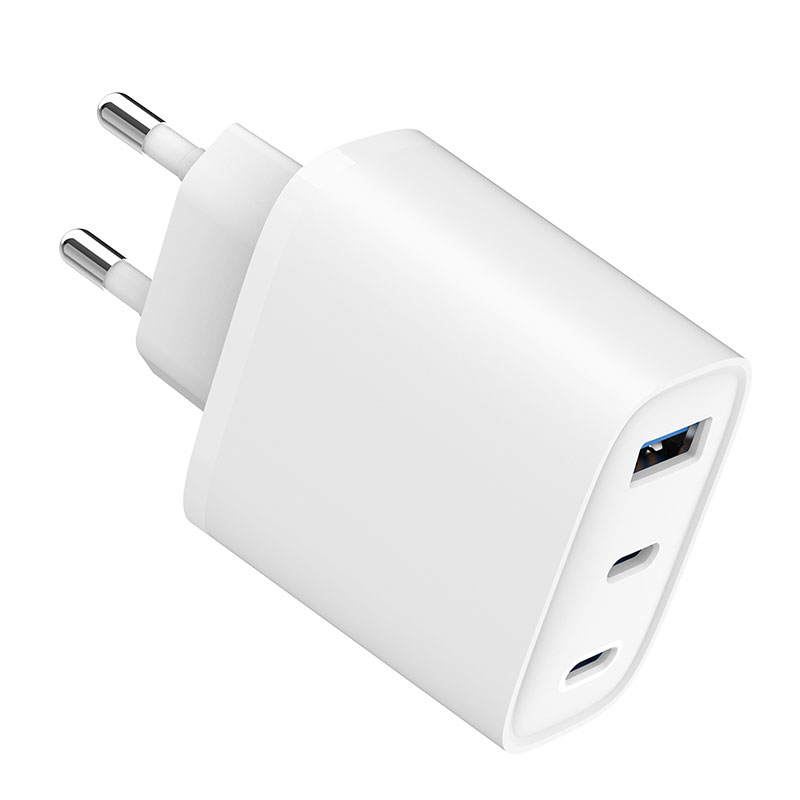
A practical code carries the production date, a line or factory identifier and a sequence or shift indicator. The code must be unambiguous across markets, avoid characters that read as each other on a moulded surface, and remain legible for the life of the product. Where a serial number is used, it should map to the same batch records rather than replace them.
Linking test data to a batch
Electrical test and aging results should be recorded against the batch rather than stored as a generic daily report. The link allows a specific failure mode to be compared with the test data for the affected units: did they pass the same test, at the same settings, on the same fixture? Without the link, the investigation cannot tell a design issue from a fixture issue.
What a complaint investigation looks like with records
With records, the sequence is short: identify the batch from the date code, pull the component lots, review the test and inspection results, check whether the failure mode appears in other units from the same batch, and decide the containment scope. The question becomes “which units are affected”, which is answerable, rather than “what happened”, which is not.
What it looks like without them
Without records, the factory can only describe the product in general terms, and the containment decision defaults to the whole shipment or nothing. Both extremes are expensive: recalling a shipment that is mostly fine, or leaving defective units in the market because the scope cannot be defined.
Retention periods and recall readiness
Records should be retained at least for the warranty period plus a margin, and longer where the product life or the market’s requirements demand it. Retention should be defined in the quality agreement rather than left to the factory’s discretion, and the record set should be retrievable within a stated time. A recall-readiness test consists of asking for the records for a specific carton and timing how long the answer takes.
Buyer requirements to write into the purchase order
- Date code format and physical location on the product
- Batch definition and the record set retained per batch
- Link between test records and batch
- Retention period and retrieval time
- Notification obligation when a batch is found non-conforming
- Containment procedure and who decides the scope
Traceability audit questions
- Show the batch record for this date code.
- Which component lots were used, and from which suppliers?
- What test results were recorded for this batch?
- Which other batches used the same component lot?
- How long are records kept, and where?
Traceability in a multi-region programme
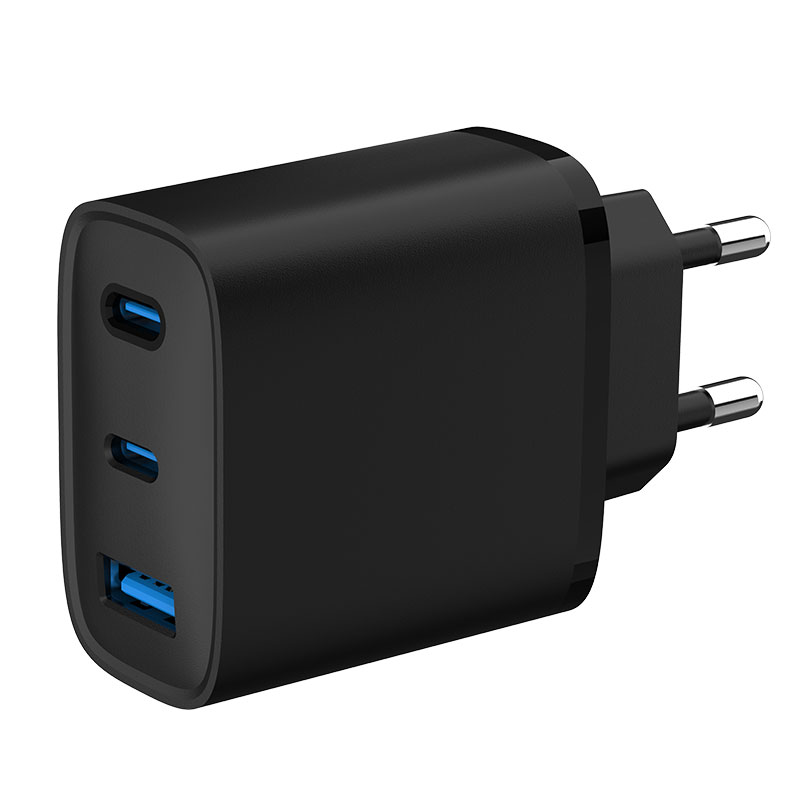
A product sold in four markets creates a traceability problem that a single-market programme does not have. The same electrical platform may ship with different plug kits, different packaging language versions and different importer details, and a claim needs to identify which configuration failed, not only which batch. The record set should therefore link the date code to the packing configuration as well as to the production batch. In practice that means the carton label carries the market or plug configuration, and the packing record ties that label to the units inside. When a claim arrives, the investigation can then separate a product failure from a packing or plug-allocation error – two problems with very different corrective actions.
- Date code linked to batch, line and component lots
- Carton label linked to market, plug kit and packaging version
- Packing record tying units to the carton
- Test record tied to the batch, not only to the day
Frequently asked questions
What should a charger date code contain?
Enough information to identify the production date, the line or factory and the batch. The code should be unambiguous, durable and consistent across the markets the product is sold in.
How long should batch records be kept?
At least for the warranty period plus a margin, and longer where the market or the product life requires it. The period should be stated in the quality agreement.
Can traceability be added after production starts?
Partially, but material-lot linkage cannot be reconstructed retroactively for stock already built. Introducing it at the next production run is practical; assuming it covers existing inventory is not.
Next step
Wecent Group links date codes to batch, inspection and test records so that a claim can be traced to its production conditions. Send your traceability requirements to the contact page. Related reading: inspection gates, quality control, spares and warranty and AQL batch reports. External references: GS1 identification standards, ISO 9001, ISO 2859-1 sampling, AIAG, IEC standards and UL.