
A batch of chargers came back from a distributor with a failure rate four times the field average, and the returns had been packed as a single pile. Two days went into sorting them before any measurement was taken, and the sort is what the analysis stands on.
Charger field failure analysis: the three questions
What failed, why, and what changes.
Those three questions are the whole exercise. A report that answers only the first describes a shipment; one that answers the first two explains a batch; only the third prevents the same claim from arriving with the next order. Keeping them separate also keeps the commercial conversation out of the technical one, because the remedy follows the answer rather than the tone of the correspondence.
The return that arrived as a single pile
Sorting was the delay, not measurement.
The units had been returned in the order they were collected, so a dead unit sat next to one that charged slowly and one that had been opened by a customer. Sorting them into modes took two days, and the failure rate changed twice during those two days: once when the opened units were removed, and again when the slow units were separated.
Step one: sort the returns into failure modes
Five or six modes cover most charger returns.
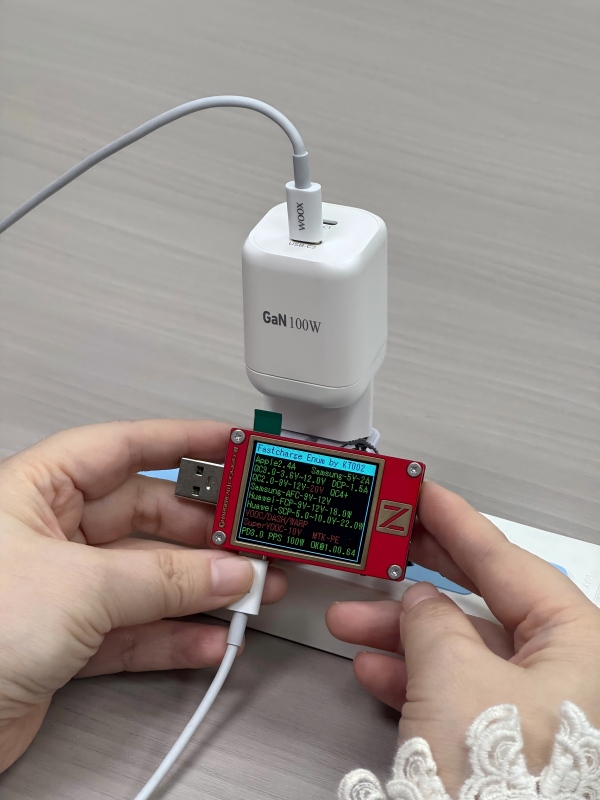
Dead on arrival, dead after a short period of use, intermittent charging, slow charging against the device’s expectation, physical damage, and units that could not be faulted. Each mode is measured with the same instrument and the same load, and each unit is recorded against its batch code rather than against the shipment.
Step two: read the batch record against the modes
The record turns a rate into a cause.
The batch record shows the component lots, the test results and the date. Where the affected units share a lot, the analysis compares that lot’s incoming inspection data with the units that did not fail, and the difference is often visible without opening a unit. Where they do not share a lot, the cause is more likely to be in the field than in production.
Step three: separate field causes from handling causes
Three patterns account for most of the difference.
Units that failed after a drop, units whose connector shows wear beyond the rating, and units returned from a channel that resells opened goods. Each of those is a handling cause, and each changes the remedy: the first is a packaging conversation, the second an accessory rating conversation, and the third a channel conversation.
| Mode | What it points at | Evidence to request | Remedy |
|---|---|---|---|
| Dead on arrival | Assembly or component | Batch code and incoming inspection record | Credit or replacement |
| Dead after use | Thermal or component stress | Test record at the operating point | Design or process change |
| Slow charging | Profile or accessory | Device list and cable rating | Documentation change |
| Physical damage | Transport or use | Carton and pallet data | Packaging change |
What the failure rate does and does not tell you
It measures the shipment, not the product.
A rate is a ratio, and the denominator decides what it means: affected units against units inspected is a different number from affected units against units shipped, and the two are quoted interchangeably in correspondence. The rate also says nothing about severity, so six units that will not power on and six that charge slowly can produce the same figure and two different conversations.
Writing the report so it changes something
Three sections, and the third is the only one that matters later.
The modes with their counts, the cause with the evidence behind it, and the change with the date it takes effect. A report that stops after the second section has explained the claim; the third is what stops the claim returning on the next order.
Where the analysis usually stops too early
Three patterns, and the first is the most common.
A report closed on the mode without a cause, a cause established from the returned units alone, and a corrective action agreed verbally and never written into the process. Each leaves the next batch unimproved, and each is visible in whether the report carries a date for the change.
FAQ
Do we need the units returned to run the analysis?
Not always. A credit can be settled on the batch record and the counts where the failure mode is known, and a sample is requested where the cause is unknown or the rate is above the agreed threshold, because the sample is what turns an unexplained rate into a cause and a change.
How many units should be inspected before the rate means anything?
The rate is quoted against the quantity inspected rather than the quantity received, so the denominator is stated with it. Where only part of a shipment has been inspected, the remainder is either inspected or the extrapolation is written down, which is what keeps two parties from calculating two different rates.
What if the failure cannot be reproduced on the bench?
That is a result in itself and it points at the field conditions rather than the unit: the cable, the device, the ambient or the way the product was carried. Those returns are recorded as a mode of their own, and the next step is to reproduce the conditions rather than to test more units.
Who should own the corrective action?
The function that can change the thing that failed: production engineering where the cause is a process, design where the cause is the construction, and the packaging supplier where the cause is transport damage. Naming the owner is what separates a report from a description of a problem.
Next step
Send the failure modes, the counts and the batch codes to Wecent Group through the contact page. The reply sets out the triage, the evidence behind the cause and the change with its date. Related reading: charger quality control, OEM and ODM charger manufacturing and inside the charger factory. External references: BSI standards, IEC standards, UL solutions, Intertek testing services, EU WEEE Directive and ICC business solutions for trade.
{“@context”:”https://schema.org”,”@type”:”FAQPage”,”mainEntity”:[{“@type”:”Question”,”name”:”Do we need the units returned to run the analysis?”,”acceptedAnswer”:{“@type”:”Answer”,”text”:”Not always. A credit can be settled on the batch record and the counts where the failure mode is known, and a sample is requested where the cause is unknown or the rate is above the agreed threshold, because the sample is what turns an unexplained rate into a cause and a change.”}},{“@type”:”Question”,”name”:”How many units should be inspected before the rate means anything?”,”acceptedAnswer”:{“@type”:”Answer”,”text”:”The rate is quoted against the quantity inspected rather than the quantity received, so the denominator is stated with it. Where only part of a shipment has been inspected, the remainder is either inspected or the extrapolation is written down, which is what keeps two parties from calculating two different rates.”}},{“@type”:”Question”,”name”:”What if the failure cannot be reproduced on the bench?”,”acceptedAnswer”:{“@type”:”Answer”,”text”:”That is a result in itself and it points at the field conditions rather than the unit: the cable, the device, the ambient or the way the product was carried. Those returns are recorded as a mode of their own, and the next step is to reproduce the conditions rather than to test more units.”}},{“@type”:”Question”,”name”:”Who should own the corrective action?”,”acceptedAnswer”:{“@type”:”Answer”,”text”:”The function that can change the thing that failed: production engineering where the cause is a process, design where the cause is the construction, and the packaging supplier where the cause is transport damage. Naming the owner is what separates a report from a description of a problem.”}}]}