
The in-room requirements matter more than the specification sheet, and they are the reason a hotel programme is not the same as a retail one. A charger that survives a guest bedroom for two years has to be cleaned, handled and sometimes unplugged daily, and the specification rarely mentions any of that.
Hotel charger supply: the four decisions
The in-room requirement, the cable and retention method, the replacement and loss economics, and the packaging and documentation.
Each decision follows from the use rather than from the product range, and each changes what the buyer should specify. A hotel is buying a device that has to work after a hundred different hands have used it, which is a different brief from a retail box.
The decisions are ordered by how much they constrain the product: the requirement sets the format, the retention decides the cable, the economics decides the specification level, and the packaging decides how the property receives it.
Decision 1: the in-room requirement
Fixed in the room, lent at reception, or sold to guests.
A charger fixed to a desk or a bedside surface needs mounting and a tamper-resistant configuration; a loan unit needs a marking and a check-in process; a unit sold at reception is effectively a retail product in a hospitality context. The three have different damage profiles and different replacement rates, which is why the requirement comes before the specification.
Decision 2: the cable and the retention method
The cable is the component that fails first in a hotel room.
A captive cable with a strain relief rated for repeated pulling, a socket with a supplied cable, or a wireless surface with no cable at all each carry a different failure mode. Retention also matters: a cable that can be removed can be lost, and a cable that cannot be removed can be pulled until it fails. The choice should follow the housekeeping routine rather than the design preference.
Decision 3: the replacement and loss economics
The unit price is not the cost of ownership.
A cheaper unit that fails twice a year costs more than a robust unit that lasts, once the replacement labour is counted. Hotels also lose units, so the specification should state whether spares are stocked and in what quantity, and whether a replacement can be ordered singly or only in a pack. That answer decides the second-order quantity rather than the first.
Decision 4: packaging and documentation
The property receives the goods differently from a shopper.
Bulk cartons with a simple label are usually preferable to retail boxes, because the property stores them in a back-of-house area and disposes of the packaging. The documentation that matters is the instruction sheet for housekeeping, the marking that identifies the property’s own asset, and the safety information in the local language.
| Decision | Options | What it fixes | Where it costs |
|---|---|---|---|
| In-room requirement | Fixed, loan, retail | The format and the damage profile | Replacement rate |
| Cable and retention | Captive, socket, wireless | The first failure mode | Repair and loss |
| Economics | Specification level and spares | The cost of ownership | The second order |
| Packaging and documents | Bulk carton, label, instructions | How the property receives it | Handling labour |
What the specification should state
Five items, and each answers a property question.
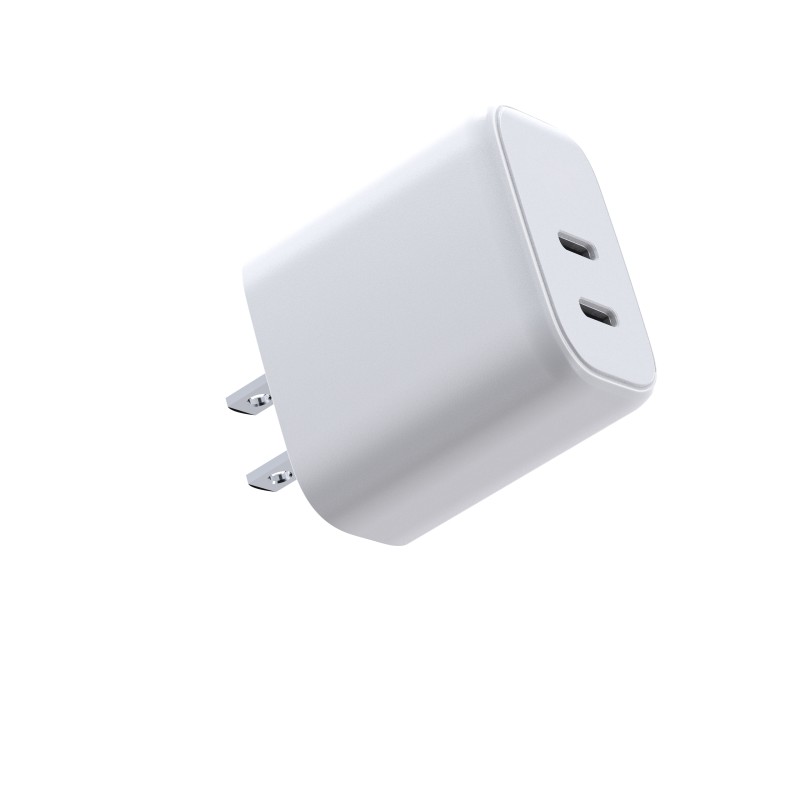
The port count and the power per port; the cable type and whether it is captive; the mounting or retention arrangement; the marking method for the property’s own asset label; and the spares policy. A specification containing those five can be repeated across properties, and a new property can be added without redesigning the product.
How the order usually reaches the factory
Three routes, and each has a different lead time.
Directly from the property group, through a hospitality distributor, or through the owner’s procurement partner. The distributor route adds a margin and shortens the buyer’s involvement; the direct route gives the group control over the specification and the marking. Whichever route applies, the specification and the spares policy are the same, and they are what make the second order a repeat.

Where hotel programmes go wrong
Three patterns, and each shows up in the first month.
A retail box that the property has to unpack and dispose of; a cable without strain relief that fails during housekeeping; and a specification repeated across properties without checking the mounting surface. Each is a buying decision rather than a product fault, and each is cheaper to settle before the first order.
FAQ
Should an in-room charger have a captive cable?
It depends on the housekeeping routine. A captive cable with a strain relief rated for repeated pulling reduces loss and theft; a socket allows the cable to be replaced without replacing the unit. The two trade loss against repair. Ask which of the two the housekeeping routine can carry, because the trade is between loss and theft on one side and repair cost on the other.
What marking identifies the property’s own asset?
A printed or applied asset label on the housing, with the numbering decided by the property rather than the supplier. The mark method should tolerate cleaning, which is the same durability question as any other applied marking. Let the property decide the numbering and ask the supplier to rate the marking for cleaning, because the two decisions belong to different parties.
How are spares handled?
The specification states whether a replacement can be ordered singly and whether the property holds stock. That answer decides the second order quantity and the cost of ownership more than the unit price does. State whether a replacement can be ordered singly and whether the property holds stock, because that answer decides the second order quantity. State who holds the stock as well.
Is a hospitality charger different from a retail one?
The platform can be the same; the difference is in the cable, the marking, the packaging and the spares policy. Retail packaging in a hotel store is usually the first thing the property asks to change. Ask what the property wants on the pack, because retail packaging in a hotel store is usually the first thing the property asks to change.
Next step
Send the property requirement, the port layout and the marking arrangement to Wecent Group through the contact page. The reply states the format, the cable and retention options, the spares policy and the packaging that suits a back-of-house store. Related reading: OEM and ODM charger manufacturing, wholesale charger programmes and charger quality control. External references: USB Power Delivery specification, IEC standards, EU CE marking rules, UL standards and certification, TUV testing services and Intertek testing services.
{“@context”:”https://schema.org”,”@type”:”FAQPage”,”mainEntity”:[{“@type”:”Question”,”name”:”Should an in-room charger have a captive cable?”,”acceptedAnswer”:{“@type”:”Answer”,”text”:”It depends on the housekeeping routine. A captive cable with a strain relief rated for repeated pulling reduces loss and theft; a socket allows the cable to be replaced without replacing the unit. The two trade loss against repair.”}},{“@type”:”Question”,”name”:”What marking identifies the property’s own asset?”,”acceptedAnswer”:{“@type”:”Answer”,”text”:”A printed or applied asset label on the housing, with the numbering decided by the property rather than the supplier. The mark method should tolerate cleaning, which is the same durability question as any other applied marking.”}},{“@type”:”Question”,”name”:”How are spares handled?”,”acceptedAnswer”:{“@type”:”Answer”,”text”:”The specification states whether a replacement can be ordered singly and whether the property holds stock. That answer decides the second order quantity and the cost of ownership more than the unit price does.”}},{“@type”:”Question”,”name”:”Is a hospitality charger different from a retail one?”,”acceptedAnswer”:{“@type”:”Answer”,”text”:”The platform can be the same; the difference is in the cable, the marking, the packaging and the spares policy. Retail packaging in a hotel store is usually the first thing the property asks to change.”}}]}