
A supplier can present a catalogue, a certificate and a price. A manufacturer can additionally show you the line that will build the order, the tests that run on every unit, and the batch records that make a defect investigation possible. The difference becomes visible at the first production order, and it is worth establishing before the purchase order rather than after.
This guide is part of our Charger Quality & Inspection. Read the full topic guide for the decisions that come before and after this step.
USB C Charger Supplier: what should be provable
Four things should be provable. Four things should be provable: that the products are built on the supplier’s own line, that the safety-critical design is controlled, that inspection runs at defined gates with records, and that a branded version can be produced without restarting certification. Each has a physical answer, and each can be checked in a single visit or a live walkthrough.
SMT and assembly controls
SMT placement sets the electrical foundation and assembly determines mechanical reliability. The process needs a controlled reflow profile, static control around the board, verified placement and inspection of the joints. At the assembly stations, the risks are connector seating, cable routing and screw torque; in-process checks at defined intervals catch a drift before a batch is built.
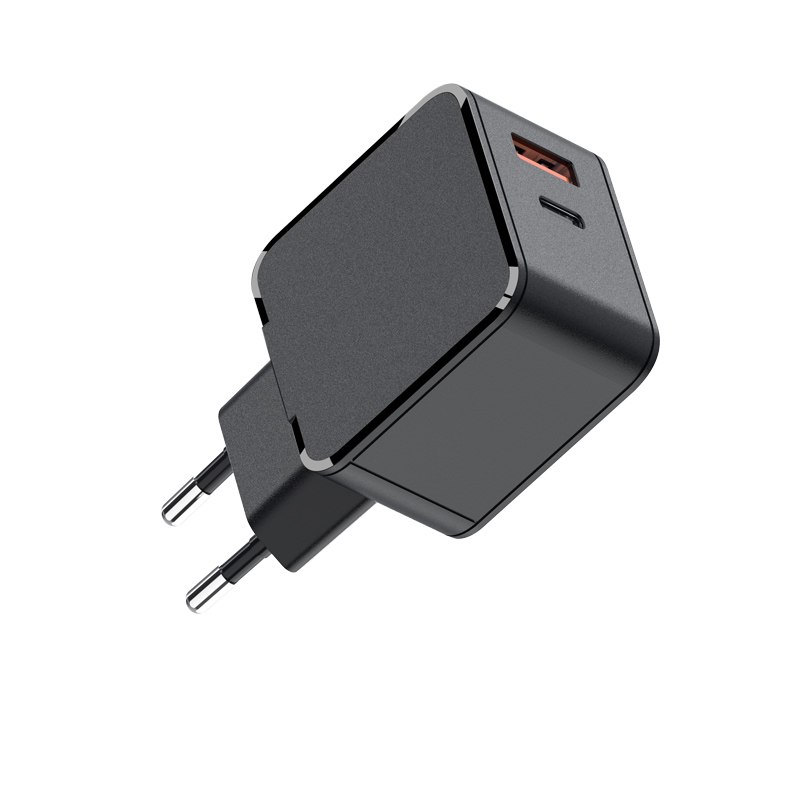
Functional test on every unit
Functional test verifies output voltage and current behaviour, port detection and protection functions. It should apply to 100% of units rather than a sample, because a defective unit that reaches a customer costs more than the test time it would have taken to catch. Ask to see the test station running and the record it produces.
Aging under load and what it reveals
Aging runs the charger at a defined load for a defined period, exposing thermal problems, marginal components and intermittent faults. The record should state the load, the duration and the ambient conditions. Where a supplier cannot describe the load profile, the aging step is not a control.
| Gate | Purpose | Record to request |
|---|---|---|
| IQC | Verify components against the BOM | Incoming inspection report |
| IPQC | Control soldering, ESD and assembly | Process and interval records |
| Functional test | Verify output and protection | 100% test results |
| Aging | Expose thermal and intermittent faults | Aging log |
| OQC | Check appearance, label and packing | Outgoing inspection report |
Outgoing inspection and AQL sampling
Outgoing inspection covers appearance, labelling, accessories and packing against the approved sample. Sampling is appropriate for those characteristics; functional and safety parameters should remain 100% tested. The sampling level and the defect classes should be written into the quality agreement rather than agreed per shipment.
Traceability and defect handling
Ask the supplier to trace a finished carton back to its batch, test data and component lots. That chain is what turns a complaint into a diagnosis and defines the scope of a containment action. Ask also how a defect claim is handled: containment first, root cause with evidence, corrective action validated, and prevention applied across the platform.
Certification documents and brand responsibilities
The supplier provides the platform reports, declarations and labelling requirements; the brand owns the market placement, including importer details and language requirements. Ask which reports exist, whether they name the model, and what the supplier needs from the brand to complete the technical file.
Commercial terms behind the supply
- Platform behind the quotation, stated explicitly
- MOQ and whether tooling is required
- Sample timing and approval gates
- Certification scope and documentation
- Warranty, spares and claim process
- Incoterm, payment terms and lead time from order confirmation
How to run a pilot order with a supplier
A pilot order is the cheapest way to test a supplier’s process. It should run on the production line, with production fixtures and the approved sample, and it should be inspected at the same gates as a full batch. The report should state the quantity, the yield, the defects found and the corrective actions taken. Where a supplier cannot produce a pilot report, the first container becomes the pilot, and the defects arrive at the same time as the product.
Supplier red flags to act on
- Test equipment present but not in use
- Certificates that do not name the quoted model
- Traceability claimed but not demonstrable on a carton
- Rework without a written instruction or a limit
- A quotation that cannot name the platform
- No written component change-notification process
What the first shipment should include
The first shipment should arrive with more than the product: the batch record for the units shipped, the inspection report, the packing list that matches the cartons, and the compliance documents that name the model. Where the order is branded, the shipment should also reference the approved golden sample and the artwork revision. Keeping that pack with the purchase order makes a later claim or reorder a matter of reference rather than reconstruction.
Repeat-order consistency with a USB C supplier
The value of a supplier is measured on the second and third order, not the first. Consistency depends on producing from the same platform, working from the approved sample, notifying component changes in writing, and retaining batch records so a change can be identified later. Ask how the supplier handles a component that reaches end of life, and who approves the alternate. A supplier that can answer that question with a process rather than a promise is the one worth keeping in a multi-year program.

FAQ
What should a USB C supplier be able to prove?
The functional test result per unit, the aging record, the traceability from carton to component lot and the certification status per market. Each is a record rather than a statement. Ask for the functional test result per unit, the aging record, the traceability from carton to component lot and the certification status per market, because each is a record. Ask to see the records rather than read a description of them.
What does AQL sampling mean in practice?
It defines how many units are inspected and how many defects are tolerated in that sample before the batch is rejected. The level is agreed in the purchase order rather than chosen by the inspector on the day. The level is agreed in the purchase order rather than chosen by the inspector on the day, and it defines how many defects are tolerated before the batch is rejected.
What should the first shipment include?
The test records, the packing list with the batch codes, the certification documents and the invoice with the classification. Those four are what allow the shipment to clear and the quality to be verified on arrival. The test records, the packing list with the batch codes, the certification documents and the invoice with the classification are what allow the shipment to clear.
How is repeat-order consistency protected?
By the batch record, the golden sample and the change notification agreement. The sample defines the product, the record proves the run and the notification prevents a silent substitution between orders. The sample defines the product, the batch record proves the run and the notification agreement prevents a silent substitution between orders rather than after them. and the notification is what keeps the two valid.
Next step
Wecent Group builds USB C chargers on certified platforms in Bao’an, Shenzhen, with five documented inspection gates and batch records retained for traceability. Request the document pack or a live walkthrough through the contact page. Related reading: quality control, our charger factory and factory floor. External references: USB-IF documentation, ISO 2859-1 sampling, ISO 9001, IEC standards, AIAG and GS1 standards.